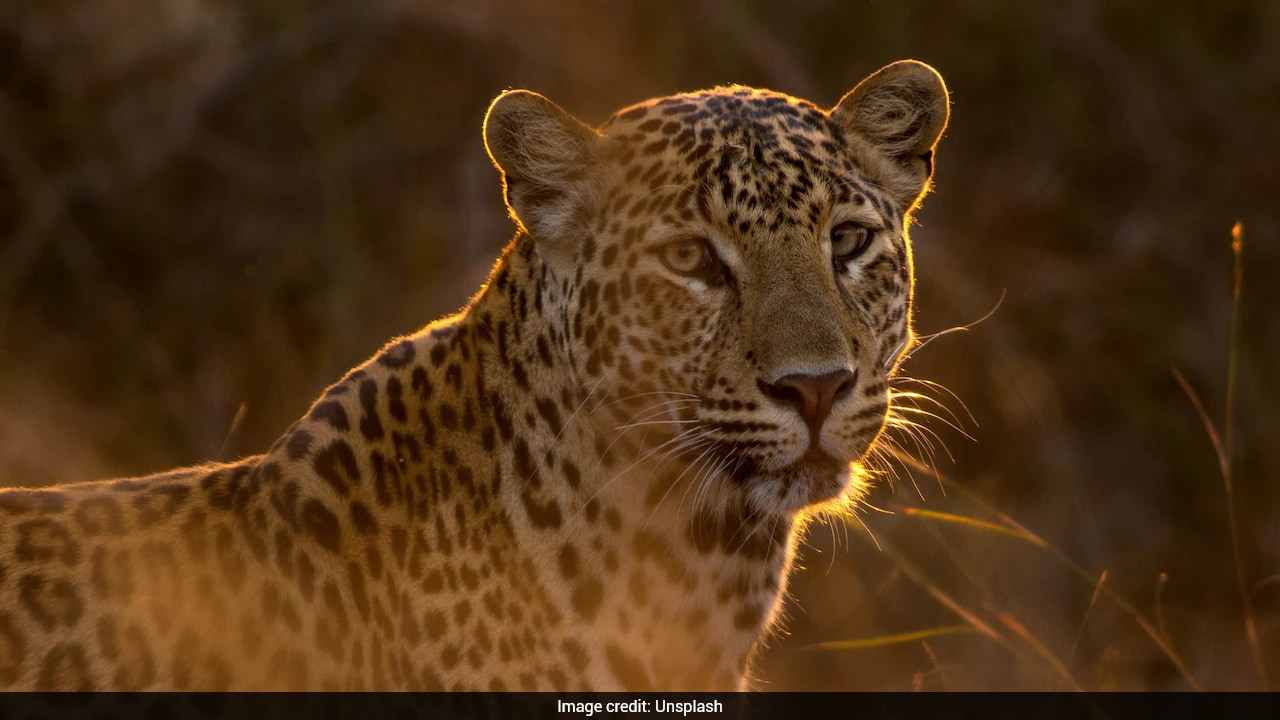
When news breaks that a zookeeper was mauled by a leopard in a zoo enclosure in the Netherlands, the headlines always focus on the same sensational details. Blood. Sirens. A victim fighting for their life.
That's the easy part to report.
What almost every news outlet misses—and what people actually want to know when they search for these incidents—is how a trained professional ends up inside an active big cat enclosure in the first place. Modern European zoological facilities run on strict safety protocols designed to make human-predator contact physically impossible. Yet, when those protocols fail, the consequences are immediate and brutal.
Why Protected Contact Fails in Big Cat Enclosures
If you've ever spent time around accredited zoos in Western Europe, you know they don't operate like the roadside menageries of the past. Keepers don't casually walk into cages with a bucket of meat and a broom.
Modern facilities use a system called protected contact. Keepers and big cats never share the same physical space. Before a human steps foot inside an outdoor habitat or an indoor night house to clean, hide enrichment, or repair fencing, the animal gets shifted into a completely separate holding area. Heavy steel guillotine doors drop into place. Locks are engaged.
So how does a zookeeper get mauled by a leopard in the Netherlands?
Almost every single time, it comes down to human error during the shifting process. Keepers perform these routines hundreds of times a month. Familiarity breeds speed, and speed kills situational awareness. A gate doesn't latch completely because a piece of substrate—woodchips, gravel, or a stray branch—blocks the track. Or a keeper misreads a visual indicator in dim indoor lighting, assuming the cat is locked in the back shift when it's actually crouched behind a visual barrier.
Leopards aren't like lions or tigers. They're smaller, faster, and infinitely better at hiding. An adult Amur or Persian leopard weighs anywhere from 35 to 75 kilograms, yet they can vanish behind a rock pile or a raised wooden platform in a fraction of a second. If a keeper steps through a door without getting a clear visual confirmation of the cat's location, the leopard doesn't roar to announce itself. It ambushes.
The Reality of Leopard Attacks on Zookeepers
People often underestimate leopards because they aren't the biggest cats in the zoo. That's a massive mistake.
In terms of pound-for-pound power and unpredictability, leopards are widely considered by veteran big cat keepers to be the most dangerous animals in a collection. Lions are social and relatively easy to read. Tigers are massive, meaning their movements are telegraphed. Leopards are solitary, nervous, and wired for instant, explosive violence when startled.
When a leopard attacks a human inside an enclosure, it isn't acting out of malice or a sudden taste for human flesh. It's a territorial and defensive reaction to an unexpected intruder entering its core space.
- Bite mechanics: Leopards instinctively target the neck, head, and shoulders. Their jaw pressure is built to sever the spinal cord or crush the windpipe of prey animals like deer and wild boar.
- Claw retention: Unlike dogs, which bite and release, big cats use all four sets of retractable claws to anchor themselves onto their target while delivering repeated bites.
- Silent speed: A leopard can cover ten meters in less than two seconds from a dead stop. By the time a keeper realizes a door was left open, the cat is already on their back.
In emergency situations like the attack in the Netherlands, standard protocol dictates that no other staff member enters the enclosure unarmed. Co-workers have to rely on loud noises, fire extinguishers, high-pressure water hoses, or carbon dioxide blasts to break the cat's focus long enough to pull the injured keeper out—or wait for the zoo's internal firearms team to arrive.
What Happens to the Leopard After a Mauling
The immediate public reaction after a keeper is hospitalized is predictable. Half the internet demands the animal be spared because it was "just acting on instinct," while the other half assumes it's already been shot.
Neither assumption reflects how European zoos actually handle these crises.
During an active mauling where a keeper's life is in immediate danger, lethal force is always on the table. Every major zoo in the Netherlands, operating under strict national safety laws and guidelines from the European Association of Zoos and Aquaria (EAZA), maintains an emergency response team trained with high-caliber rifles. If tranquilizer darts were used during a live attack, the cat wouldn't go down for five to ten minutes—and the adrenaline surge from the dart hit would likely make it attack harder. If a human life is actively being lost, the firearms team shoots to kill.
However, if staff manage to separate the leopard from the victim using non-lethal deterrents and secure the cat in a holding pen, the animal is almost never euthanized afterward.
Zoo directors and veterinarians understand ethology. A leopard that attacks a person who accidentally entered its enclosure isn't a "rogue" or broken animal. It behaved exactly how millions of years of evolution programmed it to behave. Killing a genetically valuable leopard—especially if it belongs to a critically endangered subspecies like the Amur leopard, where fewer than 130 individuals remain in the wild—would be a massive conservation loss for zero behavioral reason. Once the enclosure is secured and the investigation begins, the cat stays in the collection.
How Dutch Labor Laws Investigate Zoo Accidents
The Netherlands doesn't sweep workplace accidents under the rug, especially when someone ends up in critical care.
The moment an ambulance leaves the zoo gates, the Nederlandse Arbeidsinspectie (the Dutch Labor Inspectorate) takes over. They treat a zookeeper mauling with the exact same legal scrutiny as a fatal crane collapse on a construction site or a chemical spill in a factory.
Investigators immediately seal off the enclosure. They don't just ask the zoo director what happened; they physically inspect the locking mechanisms, check maintenance logs for the shift doors, review CCTV footage from the service corridors, and interview every keeper on duty.
They look for systemic failures rather than just blaming the injured worker. Did the zoo understaff the carnivore section that morning, forcing one keeper to rush through a two-person check? Were the visual lock indicators worn down or poorly lit? Had staff previously complained about a sticky sliding door that management hadn't fixed yet?
Under Dutch law, employers have a strict duty of care. If the Labor Inspectorate finds that a mechanical failure or a flawed standard operating procedure contributed to the attack, the zoo faces heavy financial penalties, mandatory operational overhauls, and potential criminal liability for management.
The Two-Person Rule and Double-Key Systems
You might wonder how a single mistake can bypass all those safeguards. Honestly, in the best-run facilities, one mistake can't.
Top-tier zoos use what's known as a two-person verification rule combined with physical key-interlock systems for dangerous carnivores. Here is how that actually looks on the ground during a morning shift.
- Keeper A shifts the leopard from the outdoor exhibit into the indoor holding den and drops the hydraulic or manual steel slide.
- Keeper A physically attaches a personal padlock to the slide mechanism so it can't be lifted, then visually confirms the cat is inside the den.
- Keeper B independently checks the slide, verifies the padlock is secure, and looks through the viewing port to confirm the leopard is locked in.
- Only after both keepers sign off or exchange keys does the access door to the outdoor enclosure unlock.
When you read about a keeper getting attacked in an enclosure, it almost always means one of two things happened. Either the facility didn't enforce a strict two-person check for routine tasks, or a keeper bypassed the protocol to save five minutes on a busy morning. Even seasoned veterans with twenty years of experience fall into the trap of trusting their memory instead of their eyes.
Why Media Coverage Gets Zoo Safety Wrong
Whenever a big cat attack hits international news, the coverage tends to swing between two extremes. Tabloids frame the animal as a bloodthirsty monster that "snapped," while anti-zoo activists use the tragedy to argue that keeping predators in captivity is inherently unethical.
Both narratives ignore the reality of modern conservation work.
Keepers who work with big cats know the risks every single day they clock in. They aren't naive animal lovers trying to pet dangerous predators; they're highly trained wildlife professionals managing complex, high-stakes environments. The vast majority of zoo staff in the Netherlands hold specialized degrees in animal management and spend years working with smaller species before they're ever trusted near a leopard or a tiger.
The real story isn't that a leopard is dangerous—everyone already knows that. The real story is the razor-thin margin for error that exists in facilities housing apex predators, and how quickly a routine Tuesday morning can turn into a fight for survival when a single safety check is missed.
If you're following updates on a zookeeper attack or evaluating how accredited zoos maintain safety, pay attention to the official findings from the national labor authority rather than early social media rumors. Look specifically for whether the facility operated under EAZA accreditation standards, whether a two-person visual check was active at the time of the incident, and what structural changes the zoo implements to its shift-door locking mechanisms before reopening the exhibit to the public.