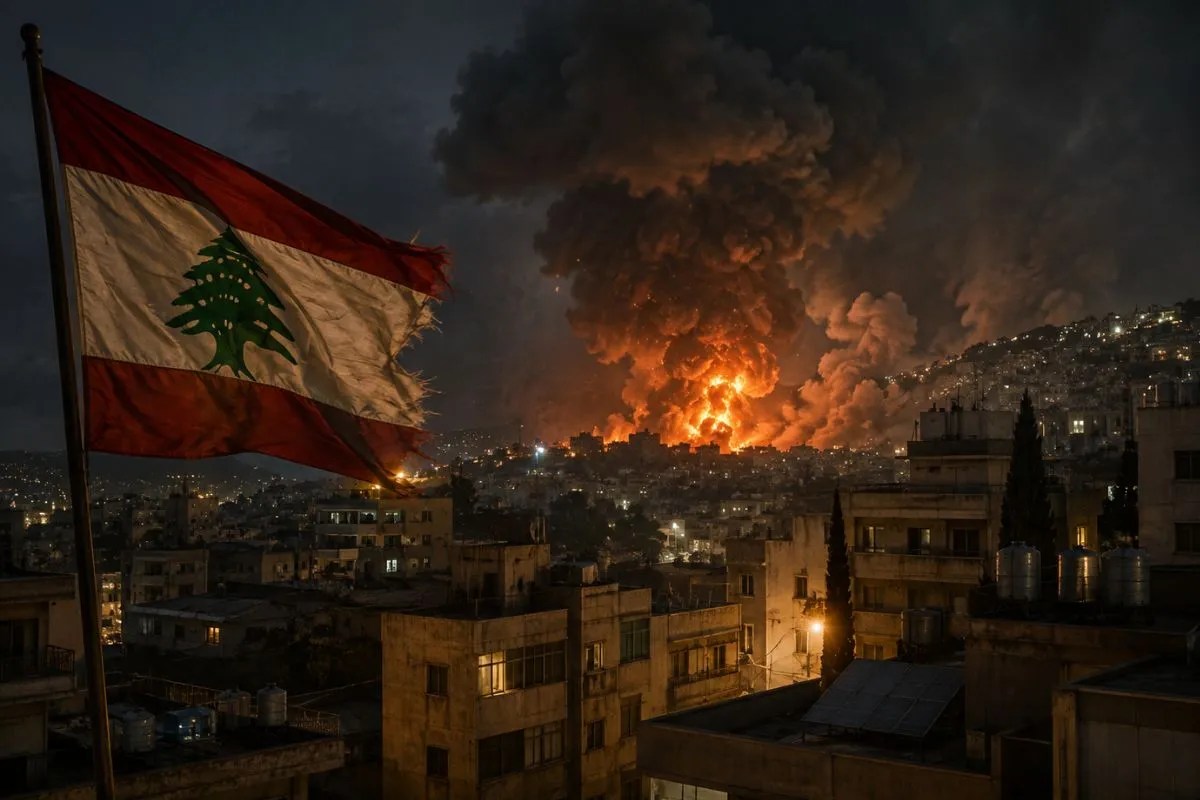
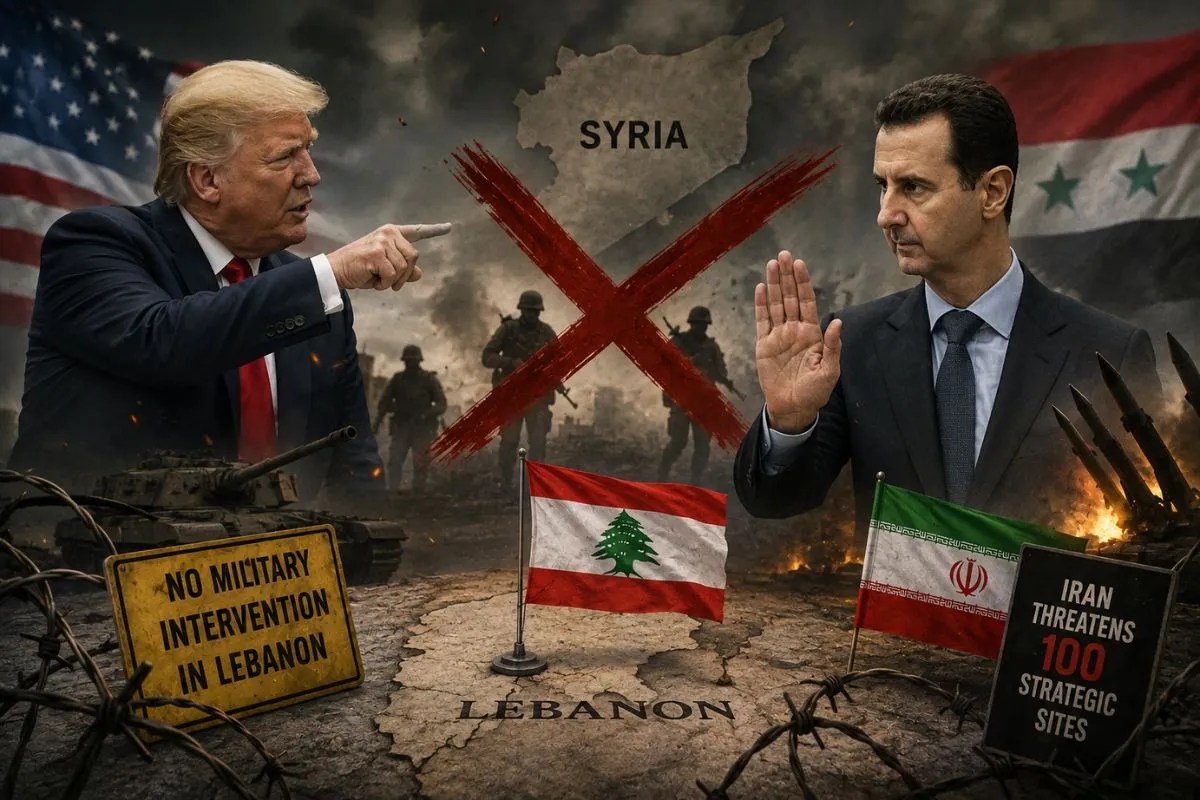
The headlines across the globe wring their hands over the latest casualty counts in southern Lebanon, acting as though a piece of paper signed in June possessed magical containment properties. State news agencies drop numbers like seven dead in Ansar, eleven total across the district, and commentators rush to call it a tragic breakdown of diplomacy.
They are asking the wrong questions. They are treating a symptom while ignoring the structural design of a managed conflict.
The lazy consensus in international reporting frames these flashpoints as unexpected stumbles on the road to peace. Every time ordnance drops on the Ali al-Taher ridge or residential properties morph into craters, the pundit class acts surprised that an armed non-state actor and an occupying military force fail to coexist via administrative decree.
Let us dismantle the fiction.
The Myth of the Paper Truce
A ceasefire that relies on a militant organization voluntarily disarming while enemy troops hold sovereign territory is not a peace plan. It is an ultimatum disguised as diplomacy. When the framework agreement was floated, realists knew its shelf life was measured in the time it took for the first tactical provocation to occur.
Imagine a scenario where two heavily armed adversaries are locked into a security zone with overlapping objectives of absolute survival and total denial of space. Force is not an aberration in this equation; force is the primary language of communication.
The recent strikes that flattened a home in Ansar and killed eleven people were not random bursts of violence. They followed a precise escalatory ladder: an explosive drone attack wounded Israeli soldiers operating in the security zone, and the military responded by leveling what it identified as a regional command hub. The presence of non-combatants inside active command nodes is a grim reality of asymmetric warfare, yet mainstream coverage sanitizes the operational mechanics by separating the "house" from the "infrastructure".
Why the Lebanese State is Squeezed
Lebanese official rhetoric condemns the strikes as violations of sovereignty, arguing that the state alone should handle military infrastructure. Prime Minister Nawaf Salam points out that children and women are not military targets. True. But stating moral truths does not alter physical leverage.
The Lebanese state possesses zero enforcement capacity over the party that actually holds the weapons in the south. When politicians demand that diplomacy hold the line, they are outsourcing security to a vacuum. Hezbollah rejects direct talks, viewing the state's diplomatic track as an American-backed surrender.
Therefore, every time a kinetic exchange occurs, the state is caught between an external military force that refuses to withdraw without complete disarmament and an internal militia that refuses to disarm under external pressure. The June truce was never a settlement. It was a holding pattern for a powder keg.
The Strategic Reality Ahead
Stop looking at these border skirmishes as violations of a functioning peace. View them for what they are: low-intensity attrition designed to test red lines before the next major strategic shift.
Israel intends to maintain forward positions until its northern security parameters are structurally guaranteed, treating northern incursions with immediate, overwhelming retaliation. Hezbollah intends to maintain its deterrent posture, absorbing blows while calculating the precise threshold required to keep its supply lines and political relevance intact.
The illusion of stability is shattered. What remains is the raw, unvarnished geometry of power.
Israeli airstrike on southern Lebanon kills seven, wounds three
This video provides direct visual context from state-reported updates on the precise geographic area affected by the ongoing escalations in southern Lebanon.