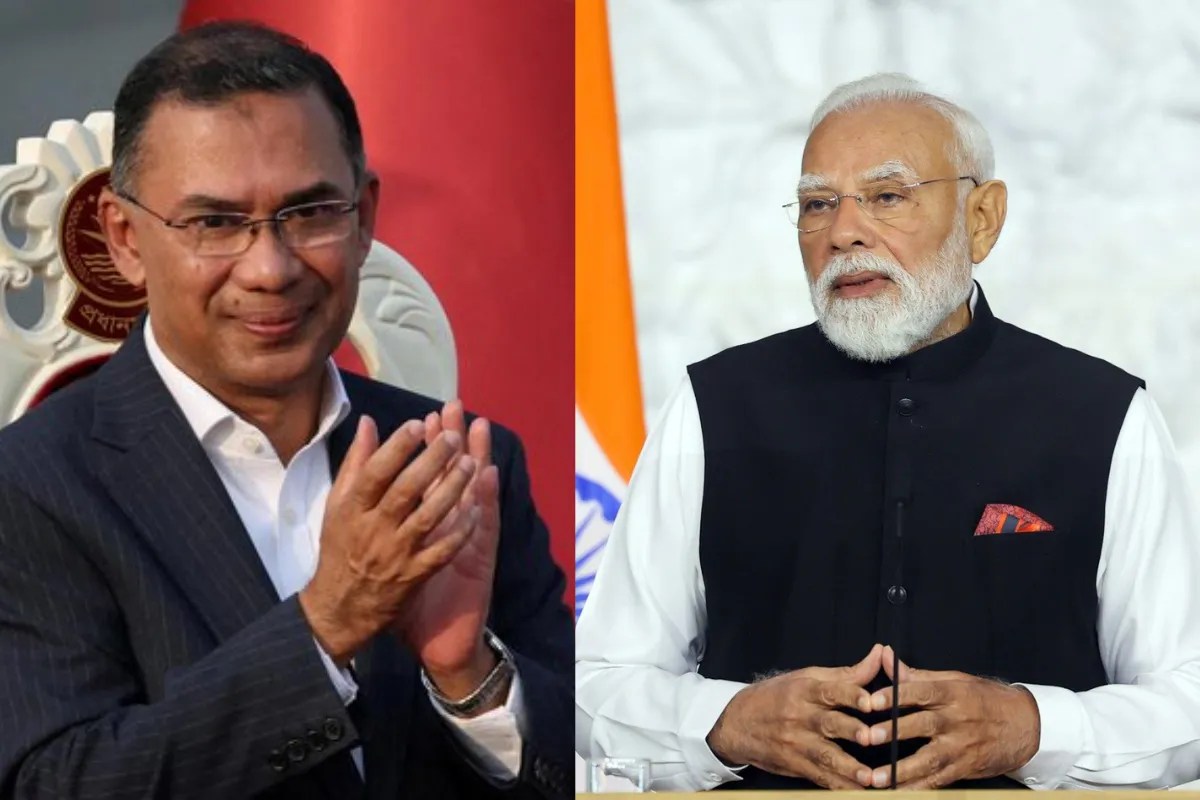
The fault lines in South Asian geopolitics are rarely drawn with subtlety. When New Delhi extended formal invitations for Bangladeshi Prime Minister Tarique Rahman to visit India, it marked a calculated attempt to reset a fractured bilateral architecture. Yet, the diplomatic thaw faces an immediate structural hazard. The core dispute centers on the shelter provided to ousted former leader Sheikh Hasina and her persistent political interventions from Indian soil. Dhaka has made it clear that bilateral normalization cannot bypass the unresolved extradition demands, transforming what should have been routine statecraft into a high-stakes standoff.
For months, foreign policy analysts have framed the friction purely as a clash of personalities. That reading misses the deeper institutional realities governing both capitals. When Sheikh Hasina's government collapsed following mass street protests, New Delhi lost a dependable security partner of long standing. The subsequent rise of the Bangladesh Nationalist Party under Tarique Rahman forced Indian policymakers to adapt to a new political reality. India's outreach—encompassing both a bilateral invitation and a slot at the BRICS outreach session where Bangladesh participates as the chair of BIMSTEC—demonstrates strategic pragmatism. New Delhi wants its northern and eastern borders stable, free from hostile security vacuums that external actors can exploit.
However, Dhaka's domestic political imperatives complicate this pragmatism. The administration led by Rahman cannot simply shelve public anger regarding the violent crackdown of 2024 or ignore the optics of Hasina holding virtual press conferences from New Delhi. When Hasina utilized a foreign correspondents' forum to denounce the constitutionally formed government in Dhaka and vow a political return, the reaction from the Bangladeshi establishment was severe. Dhaka views the continued hospitality extended to an absconding figure facing trial as an unfriendly act that directly undermines its sovereignty.
The diplomatic tightrope walked by the Indian Ministry of External Affairs involves parsing private activities from state endorsement. Indian officials maintain that New Delhi did not organize Hasina's media interactions and does not support statements challenging Bangladesh's current leadership. At the same time, Indian domestic legal frameworks and traditions regarding political exiles make an outright deportation or silencing operation legally and politically complex. This creates a painful policy dilemma. If India clamps down hard on a former ally, it signals a ruthless abandonment of past partnerships that could unnerve other regional figures. If India permits unrestricted political posturing from exile, it guarantees a frosty reception from the current administration in Dhaka.
The consequences of this impasse extend far beyond diplomatic protocol. Economic connectivity, shared water management treaties such as the Ganges agreement, regional energy grids, and cross-border security cooperation are all held hostage by the stalemate. While backchannel communications via envoys like Indian High Commissioner Dinesh Trivedi continue to push for an operational window, structural distrust remains high. Rahman has already demonstrated a willingness to diversify diplomatic engagements by undertaking initial foreign visits to Malaysia and China, signaling to New Delhi that Dhaka possesses alternative geopolitical vectors.
Ultimately, the anticipated high-level exchanges will test whether both nations can separate practical economic and regional imperatives from emotional historical baggage. If New Delhi and Dhaka remain trapped in a zero-sum contest over the ghost of past administrations, the entire eastern neighborhood will pay the price for institutional inflexibility.