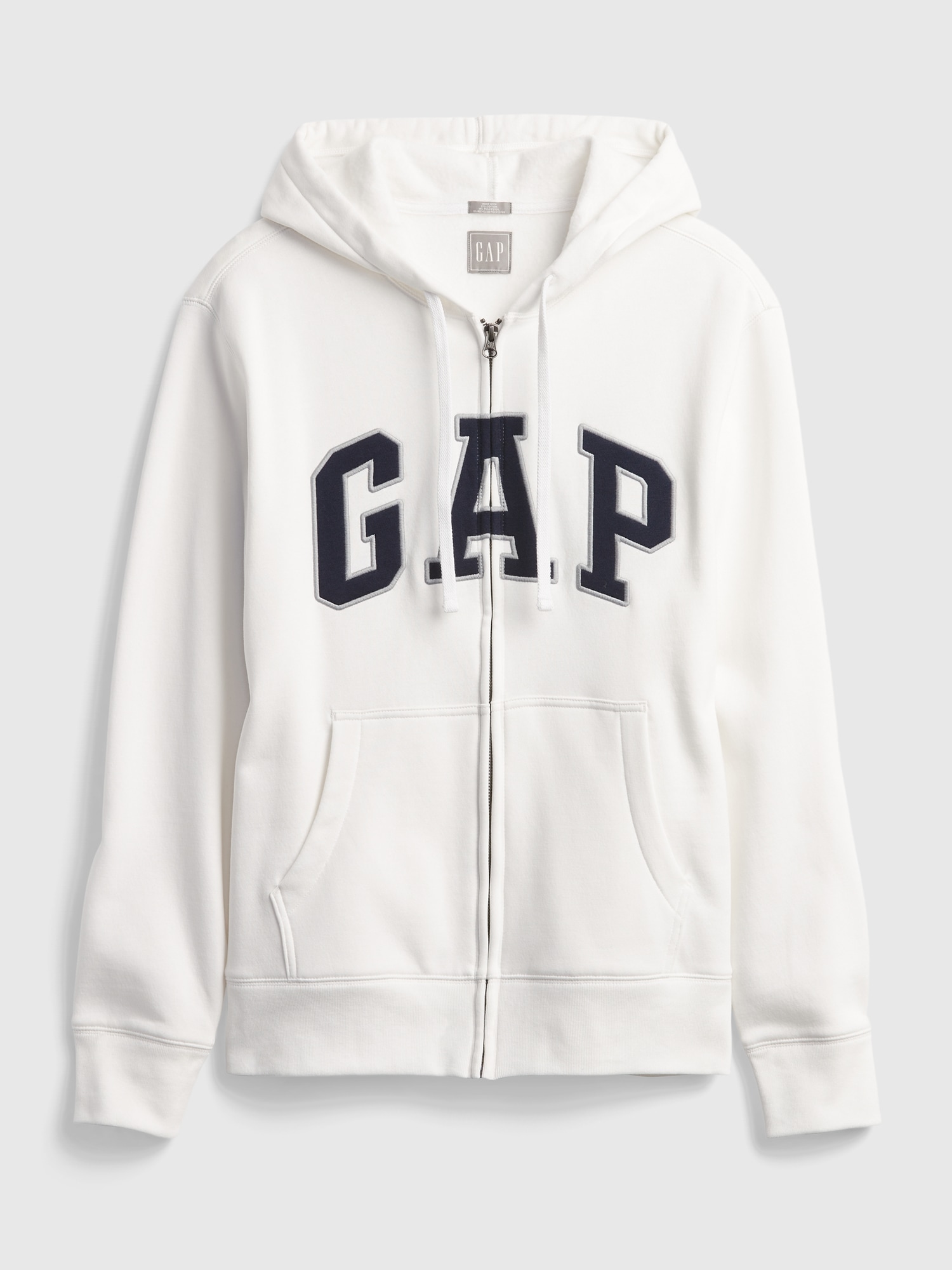
Most guys treat a sweater like an afterthought. You're running out the door, it’s a bit nippy, and you grab whatever is hanging on the back of the chair. Usually, it's a beat-up hoodie or a fleece that's seen better days. But zip up sweaters for men actually occupy this weird, incredibly useful middle ground between a formal blazer and a casual sweatshirt. If you get the fabric right, you look like a tech CEO on a weekend in Aspen. Get it wrong? You look like you’re about to wash your car in 1994.
The reality is that "zip up" is a broad category. You’ve got the full-zip, which functions more like a light jacket, and the quarter-zip, which is the unofficial uniform of corporate mid-management. Both have their place. But the nuance is in the knit. A chunky ribbed wool full-zip is a completely different animal than a sleek, high-gauge merino quarter-zip.
Honestly, the biggest mistake people make is thinking they can swap one for the other. You can't.
The Merino vs. Cashmere vs. Cotton Debate
Let’s talk about materials because that is where 90% of the value lives. If you buy a polyester blend from a fast-fashion rack, it’s going to pill within three washes. It’ll also hold onto smells. Not great.
Merino wool is the gold standard for most guys. It’s thin. It’s breathable. It regulates temperature so you don't sweat the second you walk into a heated office. Brands like Uniqlo have democratized merino, but if you look at heritage labels like John Smedley, you see the difference in the "gauge"—the number of stitches per inch. A higher gauge means a finer, dressier sweater.
Cashmere is the flex. It’s incredibly soft, but it’s fragile. If you’re wearing a seatbelt or carrying a messenger bag, a cheap cashmere zip-up will literally disintegrate under the friction. Brands like Loro Piana or Brunello Cucinelli use "long-staple" fibers that resist this, but you’re paying for it. For a daily driver, a merino-cashmere blend is often the sweet spot for durability and hand-feel.
Then there’s cotton. Cotton is heavy. It doesn't wick moisture. However, for a chunky "fisherman" style full-zip, a heavy cotton cord can look rugged and intentional. Just don't expect it to keep you warm if it gets damp.
Why the quarter-zip became a meme (and how to fix it)
You’ve seen the "Midtown Uniform." It’s a blue button-down, khakis, and a Patagonia Better Sweater quarter-zip. It’s become a bit of a joke in fashion circles because it’s so safe. It’s the sartorial equivalent of a lukewarm glass of water.
But you can reclaim the quarter-zip.
The trick is the collar height. Most cheap quarter-zips have floppy collars that collapse under their own weight. Look for a "stand collar" with some internal structure. When you zip it down, the lapels should stay crisp. Also, stop wearing them over dress shirts with the tie visible. It looks suffocating. Try it over a high-quality white T-shirt or even a thin turtleneck for a layered, monochromatic look. It’s about texture, not just utility.
The Full-Zip: Jacket or Layer?
The full-zip sweater is often misunderstood. Is it a sweater? Is it a cardigan? It’s basically a knitted bomber jacket.
Because it has a vertical line running down the center, it’s actually very slimming. It breaks up the torso. If you’re a guy with a bit of a midsection, a full-zip is your best friend compared to a crew neck that just highlights the curve.
- The Bomber Style: Look for a ribbed hem and cuffs. This keeps the heat in and gives the sweater a sporty silhouette.
- The Driver's Sweater: Originally designed for—you guessed it—driving. These usually have a two-way zipper. This is crucial. When you sit down, you can unzip the bottom slightly so the fabric doesn't bunch up around your chest. It’s a small detail that separates an expert dresser from someone who just bought whatever was on sale.
Avoiding the "Old Man" Trap
There is a fine line between "timeless" and "dated." A zip up sweater can quickly veer into "Grandpa's golf attire" if the fit is too baggy.
Modern zip up sweaters for men should fit closer to the body. You want the shoulder seams to actually sit on your shoulders, not drooping down your triceps. If you have excess fabric pooling at your waist, it’s too big. Tailoring a sweater is hard and expensive, so you really have to nail the fit off the rack.
Also, watch the hardware. Plastic zippers look cheap. Period. Look for metal zippers—specifically YKK or Riri. A brass or silver-tone zipper adds a mechanical, masculine element to the soft knit of the wool. It acts like jewelry for guys who don't wear jewelry.
Maintenance is non-negotiable
If you spend $200 on a wool zip-up and throw it in the dryer, you deserve the doll-sized garment you get back. Heat is the enemy.
Invest in a cedar block for your closet to keep moths away. Use a fabric comb or a Gleener to remove pilling. Pilling isn't a sign of a bad sweater; it’s a natural result of fibers rubbing together. Even the most expensive cashmere pills. The difference is that a quality sweater can be revived, while a cheap synthetic one will just look "fuzzy" forever.
Real-world styling: Three ways to wear it
You have a Friday night dinner. You want to look like you tried, but not like you're heading to a job interview. Wear a dark charcoal full-zip sweater over a black t-shirt with dark denim and Chelsea boots. It’s simple. It’s sharp. It’s "intentional."
What about the weekend? A chunky, cream-colored ribbed zip-up with olive chinos and leather sneakers. It’s rugged. It’s "Steve McQueen on a motorcycle" vibes without the actual motorcycle.
For the office (if you must), stick to navy or forest green. Avoid bright reds or oranges unless you want to look like a high-vis vest. A navy merino quarter-zip over a light blue Oxford shirt is a classic for a reason—it works. Just make sure the shirt collar stays tucked inside the sweater collar.
The Surprising History of the Zippered Knit
Most people think zippers on sweaters are a modern invention, but the "Cardigan" itself dates back to the Crimean War, named after James Brudenell, the 7th Earl of Cardigan. While those were buttoned, the transition to zippers happened in the early 20th century as "separable fasteners" became more reliable. By the 1930s, brands like Talbot Mills were marketing zippered sweaters as athletic gear for golfers and skiers. It was about speed. No one wanted to fumble with buttons while their fingers were frozen on a mountain.
Today, that utility remains, but the aesthetic has shifted toward "quiet luxury." You’re seeing brands like James Perse or Theory use zippers that are almost invisible, hidden behind a placket of fabric. This "hidden zip" look is great for a more minimalist, futuristic style.
Does price really matter?
Yes and no. You can find a decent 100% merino zip-up at Marks & Spencer or Uniqlo for under $100. It will look good. It will last a couple of seasons.
But when you move into the $300+ range with brands like Sunspel or Todd Snyder, you're paying for the source of the wool. You're paying for "mulesing-free" wool, which is more ethical. You're paying for seams that are linked by hand rather than surged by a machine. Machine-surged seams are bulky and can itch. Hand-linked seams are flat and disappear against your body.
Is it worth 3x the price? If you wear it twice a week for five years, the "cost per wear" is pennies. If you lose it in a bar next month, it's a tragedy.
Key takeaways for your next purchase
Before you drop money on another layer, check the label. If it says more than 20% acrylic or polyester, put it back. You’ll overheat, and it will look shiny under office lights.
Look for the two-way zip. It is the single most underrated feature in men's knitwear. Being able to vent the bottom of the sweater when you're sitting or driving prevents that awkward "stomach pooch" that happens when the fabric bunches up.
Lastly, consider the weight. A "mid-weight" sweater is usually the most versatile for year-round wear. Heavy knits are great for winter, but they’re too bulky to layer under a coat. A mid-weight merino zip-up can go under a topcoat in January and over a T-shirt in May.
- Audit your current closet: Toss any zip-ups with "pilled" underarms or bacon-stretched collars.
- Prioritize natural fibers: Stick to Merino, Lambswool, or Cotton-Silk blends.
- Check the hardware: Ensure the zipper is metal and slides smoothly without catching the knit.
- Focus on the collar: Look for structure. A limp collar ruins the entire silhouette.
- Mind the wash: Hand wash cold or dry clean only. Never, ever use the dryer.
Next time you're shopping for zip up sweaters for men, don't just look at the color. Feel the weight of the knit and check the teeth of the zipper. These small variables are what turn a basic utility item into a staple of a well-curated wardrobe.