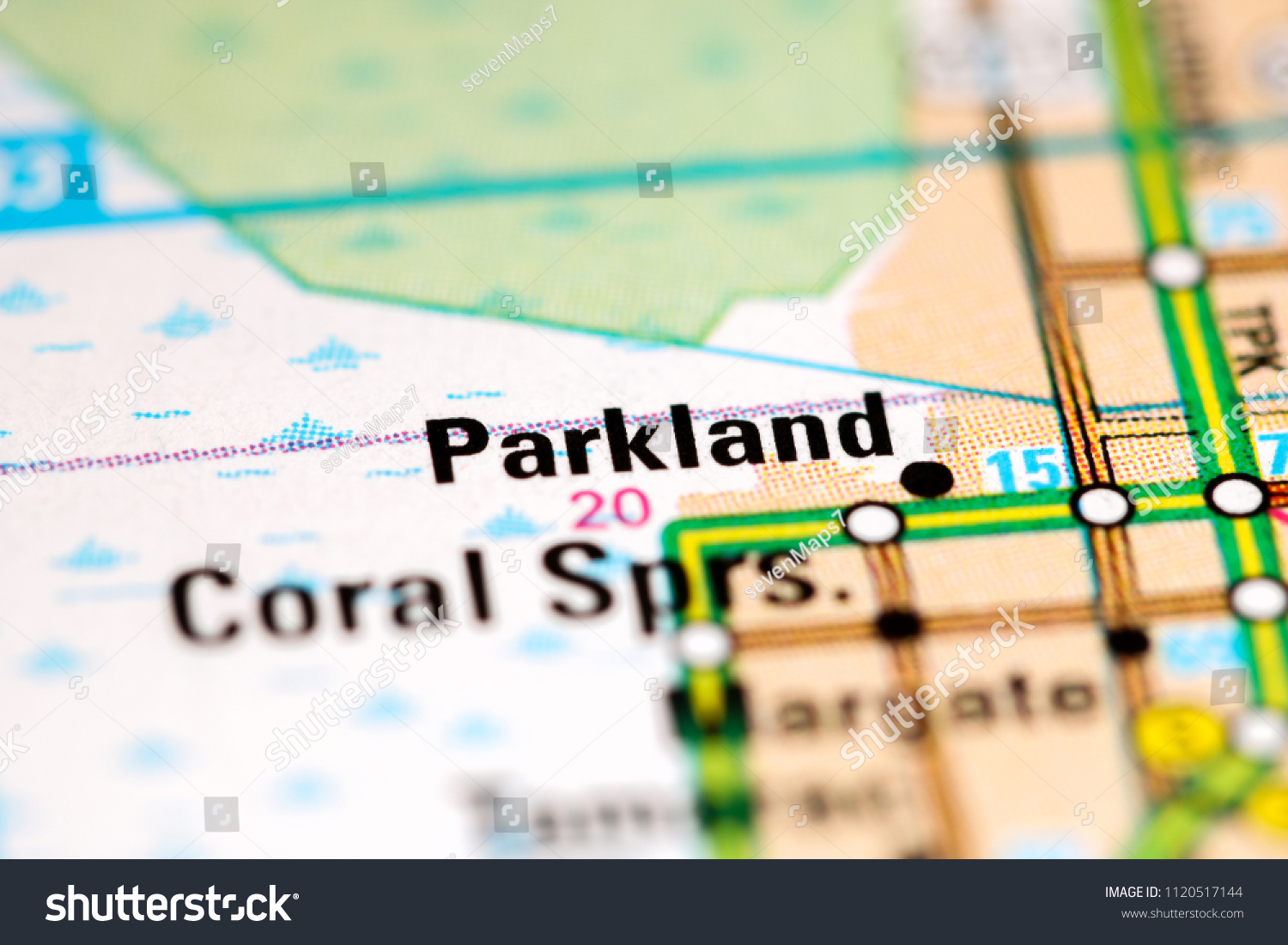
If you’re looking at a map of Broward County, you’ll notice a little pocket tucked away in the northwest corner that feels like it doesn't belong to the South Florida chaos. That's Parkland. People usually search for "zip code Parkland Florida" and expect to find one tidy little number, but the reality is a bit more nuanced. Most of the city is defined by 33076, though a sliver of the eastern side falls into 33067.
It’s a weird place. Beautiful, but weird. Recently making news lately: Why the Dimpled Koala Fossil Changes Everything You Thought You Knew About Australian Wildlife.
One minute you’re driving past a multi-million dollar estate with a five-stall horse barn, and the next, you’re at a Starbucks that looks like every other Starbucks in America. But that’s the draw. People move here because they want the "park" in Parkland. They want the canopy trees, the sprawling 2.5-acre lots in Pine Tree Estates, and the sense that they’ve escaped the concrete sprawl of Fort Lauderdale or Miami. Honestly, if you aren't careful with your GPS, you might end up in a gated community that takes ten minutes just to navigate to the front door.
The Two Faces of 33076 and 33067
So, let’s talk about these zip codes. 33076 is the heavy hitter. It covers the vast majority of the residential land, especially the newer, massive developments like Cascata or MiraLago. When people talk about "New Parkland," they are almost always talking about 33076. It’s where you find the resort-style pools and the ultra-modern floor plans. Further details into this topic are detailed by ELLE.
Then there’s 33067. This zip code is shared with Coral Springs. It’s a bit of a localized identity crisis. If you live on the Parkland side of 33067, you get the Parkland services and schools, but your mail technically shares a code with the neighboring city. It’s mostly comprised of established neighborhoods like Cypress Cay or Terramar. It’s quieter. More mature trees. Lower HOA fees, usually.
You’ve got to realize that the city was literally designed to be a "low-density" haven. Back in the day, the zoning laws were so strict that you couldn't even have a neon sign on a business. That’s why the shopping centers here, like the one on the corner of University Drive and Holmberg Road, look so muted and earthy. They don't want the "big city" vibe. They want the woods.
Why Everyone Is Obsessed With the Schools
Let’s be real. Nobody moves to Parkland for the nightlife. There isn't any. You move here because of the school ratings.
The Broward County Public Schools system is huge, but the schools serving the Parkland zip codes—specifically Marjory Stoneman Douglas High, Westglades Middle, and the various elementaries like Heron Heights and Park Trails—consistently rank at the top of state lists. According to the Florida Department of Education, these schools frequently pull in "A" grades year after year.
But here is the thing people miss: the overcrowding.
Because everyone wants in, the schools are packed. The city has had long-standing debates about portables and boundary shifts. You might buy a house in 33076 thinking your kid is guaranteed a spot at a specific elementary, only to find out the boundaries shifted three streets over last year. It’s a constant point of tension at City Commission meetings.
The Real Cost of the "Parkland Lifestyle"
Money matters. You aren't finding a "starter home" here.
In 2026, the median home price in 33076 is hovering well above the $900,000 mark. Some of the larger estates in neighborhoods like Fox Ridge or Grand Cypress easily clear $2 million. And then there are the property taxes. Florida has no state income tax, sure, but the local property taxes—especially with the specific levies for Parkland’s public safety and parks—can be a shock to the system if you’re moving from out of state.
- HOA Fees: These can range from $200 a month to over $700 depending on the amenities.
- Homeowners Insurance: Being in Florida, the "windstorm" portion of your insurance is going to be hefty, even though Parkland is inland.
- Infrastructure: The city has invested heavily in drainage, which is a big deal when you live on the edge of the Everglades.
The Everglades Factor
Speaking of the Everglades, living in these zip codes means you are basically neighbors with one of the most unique ecosystems on the planet. If you live on the western edge of 33076, your backyard is essentially the Loxahatchee National Wildlife Refuge.
It’s beautiful. It’s also home to alligators.
It’s not uncommon to see a gator in a neighborhood canal. Residents are used to it, but for newcomers, it’s a "welcome to Florida" moment they never forget. The city manages this through the North Broward County Water Control District, which keeps the water levels steady so the streets don't flood during the tropical deluges we get every summer.
The sunsets, though? Unbeatable. Because there are no high-rises to the west, the sky over the Everglades turns this wild shade of purple and orange every single night. That’s the "actionable" part of living here—just sitting on your patio and watching the sky.
Parks That Actually Live Up to the Name
You can't talk about zip code Parkland Florida without mentioning the actual parks. The city spent a lot of money on Pine Trails Park. It’s the heart of the community. On any given Saturday, it’s a sea of soccer jerseys and baseball cleats.
There’s also Liberty Park and the Parkland Equestrian Center. Yes, an equestrian center. This is one of the few places in South Florida where you can still see people riding horses along the side of the road. It gives the area a rustic feel that contradicts the high-end Teslas driving past.
Common Misconceptions About the Area
- "It's just a retirement community." Nope. While there are 55+ communities like Four Seasons, Parkland is overwhelmingly young families.
- "Everything is a gated community." Most of it is, but areas like Pine Tree Estates offer "acreage" living with no gates and no HOAs. It’s where the "Old Parkland" vibe still lives.
- "It’s too far from everything." Kinda. It’s a trek to downtown Fort Lauderdale (about 30-40 minutes), but you’re right next to the Sawgrass Expressway, which connects you to the rest of the world.
The Local Economy and Where to Eat
Business-wise, Parkland is limited. The city council likes it that way. Most people commute to Boca Raton, Sunrise, or even Miami for work. If you're looking for corporate headquarters, you won't find them here.
Dining is also a bit of a "local secrets" game. You’ve got Deja Blue for a nice Mediterranean sit-down, or Bluefin for sushi. But for the most part, Parkland residents head south into Coral Springs or north into Boca for a wider variety of food. The lack of commercial density is a trade-off for the quiet streets.
What You Should Do Next
If you are seriously looking at moving to or investing in zip code Parkland Florida, don't just look at Zillow.
First, check the Broward County Property Appraiser’s website. Look up the specific "Millage Rate" for Parkland versus unincorporated Broward. It will give you a much clearer picture of what your annual tax bill will actually look like.
Second, visit the parks on a weekend. Don't go during a quiet Tuesday. Go when the "chaos" is happening. You’ll see exactly who your neighbors are: families, coaches, and a lot of golden retrievers.
Finally, drive the perimeter of 33076. See where the city ends and the Everglades begin. It’s a boundary that defines the lifestyle here. You’re at the edge of the world, in a highly manicured, very safe, and very expensive bubble. For most people living here, that’s exactly the point.
The reality is that Parkland isn't just a zip code. It's a deliberate choice to trade the convenience of the city for a bit of breathing room. It’s about having a yard big enough for a trampoline and a school system that feels more like a private academy. Just make sure you're ready for the HOA meetings—they take their landscaping very seriously here.