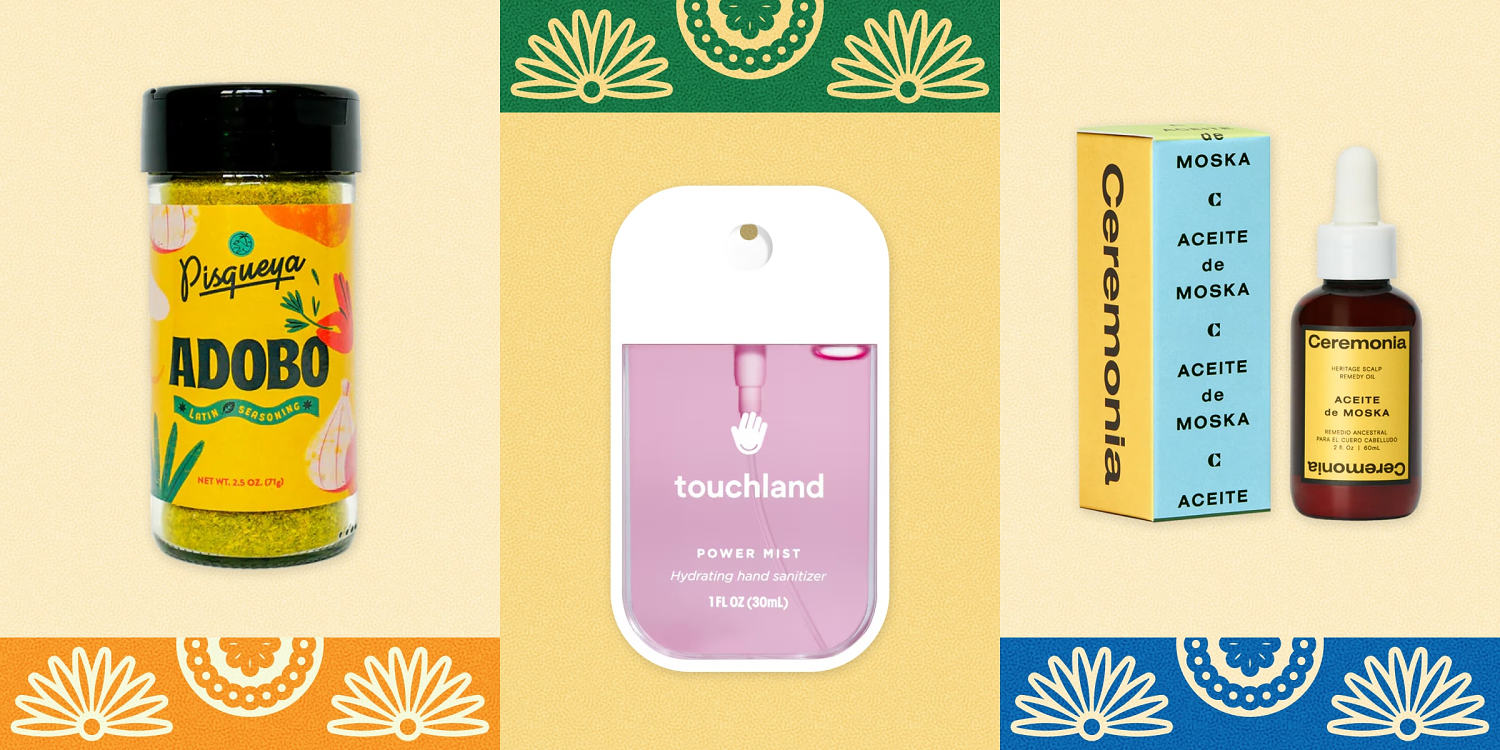
Maria presses her thumb against the seal of a jar of roasted achiote paste. The kitchen is quiet, save for the rhythmic hum of an ancient refrigerator and the faint hiss of traffic outside her Brooklyn apartment. She is not just cooking dinner. She is performing an act of cultural preservation.
Every grain of spice tells a story of migration, endurance, and quiet defiance. Behind that jar stands a small-batch maker whose grandparents crossed borders with seeds sewn into the linings of their coats. When we buy from Latino-owned brands, we rarely think about the coats, the borders, or the sleepless nights spent navigating commercial kitchens in unfamiliar cities. We see a price tag. We see a product on a shelf. For an alternative look, read: this related article.
We miss the human heartbeat entirely.
Commerce is never just about money. It is an ongoing conversation about who gets to tell their story, who gets to build a legacy, and whose labor is valued. For generations, Latino entrepreneurs in the United States have built empires out of nostalgia and grit. They have transformed neighborhood bodegas into cultural anchors, turned family recipes into national brands, and sewn a vibrant, irreplaceable thread into the economic fabric of the country. Further analysis regarding this has been published by Apartment Therapy.
Yet, shopping our values often feels like an afterthought. We wait for designated heritage months, treating cultural commerce like a seasonal holiday rather than a daily practice. But the people behind these businesses do not clock in for thirty days and disappear. They bake bread at dawn, bottle hot sauce in damp basements, design sustainable fashion lines in bustling studios, and curate beauty products that honor every shade of skin. They are here in January, in July, and every ordinary Tuesday in between.
Consider what happens when a community chooses to invest in itself.
Imagine a young designer named Mateo in Los Angeles. He spends months sourcing organic cotton, working alongside artisans in Michoacán to weave traditional embroidery into modern silhouettes. Every stitch honors centuries of textile heritage. But visibility is a fragile thing in a market dominated by algorithmic giants and fast-fashion conglomerates. When a consumer discovers Mateo’s small online shop and decides to buy a shirt instead of ordering from a faceless mass-producer, something shifts. That single purchase pays for an extra spool of thread. It keeps a traditional craft alive for another season. It tells Mateo that his heritage is not a niche novelty, but a vital part of the modern wardrobe.
The landscape of modern entrepreneurship is fierce. Latino founders face systemic hurdles that rarely make it onto corporate balance sheets. Access to venture capital remains notoriously skewed. Traditional banking institutions frequently view immigrant-led startups through a lens of skepticism rather than opportunity. Despite these barriers, Latino-owned businesses are launching at rates that outpace the national average. They are building bootstrapped powerhouses fueled by community trust and relentless innovation.
Supporting these brands year-round is not an act of charity. It is an act of culinary, cultural, and economic intelligence.
When you stock your pantry with artisanal salsas crafted by third-generation makers, your kitchen smells like history. When you swap your mass-market skincare routine for botanical oils formulated by Afro-Latina chemists, you are backing science rooted in ancestral wisdom. When you gift handmade leather goods or commission independent artists, you are voting for a marketplace that values human hands over automated assembly lines.
The beauty of this movement is its everyday accessibility. You do not need a grand strategy to make an impact. You simply need to look closer at the labels on your shelves, the tabs open in your browser, and the neighborhood shops tucked away on corners you usually drive right past.
Ask yourself a simple question the next time you open your wallet: Who am I helping to build?
Every purchase is a vote for the future we want to inhabit. It is a chance to redirect resources away from stagnant corporate monoliths and toward the passionate creators who infuse their products with soul, history, and uncompromising quality.
Maria turns the jar over in her hands, her thumb tracing the embossed lettering of the maker’s name. She smiles, sets it down on the counter, and strikes a match to light the stove. The flame catches, casting a warm, flickering glow across the kitchen walls. Out there, beyond the glass, the city keeps moving. But inside this room, the past and the future are simmering together, waiting to be tasted.