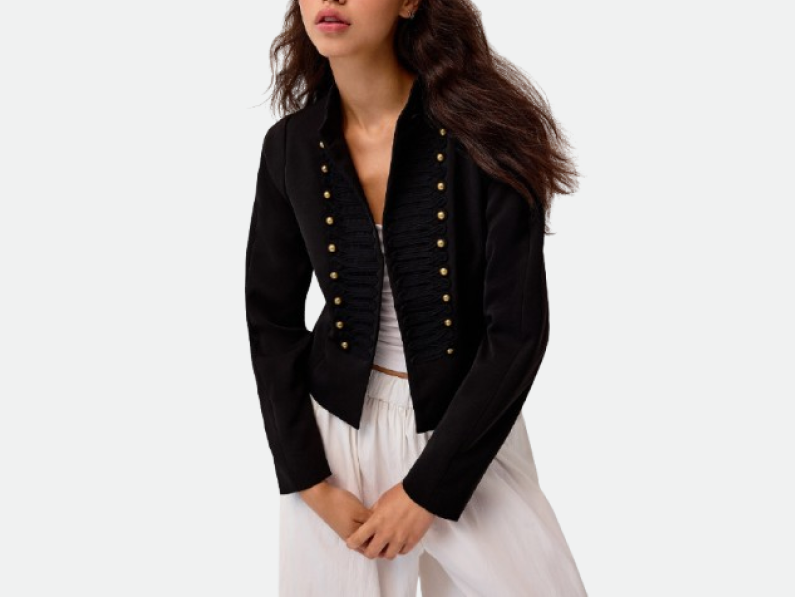
September rolls around and your closet feels entirely useless. It is seventy-five degrees outside at noon, but the wind hits fifty degrees by the time you walk home from dinner. You stare at a rack split neatly into heavy wool coats and sheer linen tanks, feeling completely stuck. Most style guides tell you to pack everything away on a specific date, but real life doesn't work that way.
The secret to mastering the tricky window between summer and fall isn't buying an entirely new wardrobe. It is all about layering physics, fabric weight management, and stopping the panic buy. Let's fix your seasonal burnout right now.
The Fabric Trap Everyone Falls Into
You probably own clothes labeled as transitional, but do you actually know what that means? Most brands slap that tag on anything colored beige or olive green. Color has zero to do with temperature regulation.
Cotton gabardine, mid-weight denim, fine-gauge merino wool, and structured poplin are your best friends during this exact stretch of the year. Heavy linen needs to go into storage because it wrinkles the second moisture hits the autumn air and offers zero wind protection. On the flip side, heavy cashmere will make you sweat through your commute by 2 PM.
I learned this the hard way after ruining a favorite silk shirt by wearing it under a stiff polyester blazer on an unexpectedly humid September afternoon. Match your weights correctly. Pair a breezy cotton blouse with a sturdy, unlined trench coat instead of a padded puffer.
How to Layer Without Looking Bulky
Layering for autumn is an art form. If you pile three thick items on top of each other, you end up looking like a marshmallow with expensive shoes.
Start with a lightweight base that breathes. A ribbed cotton tank or a fine-knit tee works wonders. Your second layer should add texture rather than extreme warmth. Think of an oversized button-down shirt worn open, a sleeveless vest, or a cropped cardigan. Your outer layer acts as your shield against the elements—a leather jacket or a wool-blend overshirt.
You should be able to peel off a layer indoors and still look intentionally dressed. If removing your coat leaves you standing in a flimsy undershirt, your layering strategy failed.
Footwear Realities for the In-Between Months
Open-toe sandals feel aggressively out of place once the leaves start turning brown, but pulling out heavy shearling boots in early September looks ridiculous.
This is where you lean heavily into loafers, ballet flats with socks, and low-profile leather sneakers. If you want to wear boots, skip the insulated winter styles and opt for sleek ankle boots crafted from soft calfskin or suede. They breathe enough for warm afternoons and pair seamlessly with bare legs or sheer tights when the evening chill drops.
Rethinking Color Palettes Without Going Full Pumpkin Spice
You don't need to dress like a spice rack just because the calendar flipped to October. The best way to transition your color palette is through saturation and texture rather than slapping burnt orange over everything you own.
Take your favorite white summer denim and pair it with a rich chocolate brown sweater instead of a bright yellow top. Wear your black summer slip dress under an oversized plaid blazer. Contrast is what makes an outfit look expensive and thoughtful. When you mix crisp summer whites with grounded earth tones, you create instant depth that screams refined taste rather than desperate seasonal longing.
The Capsule Strategy That Actually Works
Stop hauling heavy plastic bins out of your attic every three months. A functional closet keeps seventy percent of its items accessible year-round.
Keep your denim, structured trousers, lightweight knits, and versatile button-downs hanging together. Rotate just a small percentage of extreme pieces—like heavy winter parkas or ultra-sheer beach cover-ups. When you keep your core items visible, you start seeing creative ways to combine them. That summer dress becomes a tunic over jeans. That lightweight scarf keeps your neck warm against a brisk morning breeze.
Dressing well during seasonal shifts is about adaptation, not rigid rules. Wear what feels right for the actual weather outside your window, ignore arbitrary calendar fashion mandates, and stop overthinking your daily outfit.