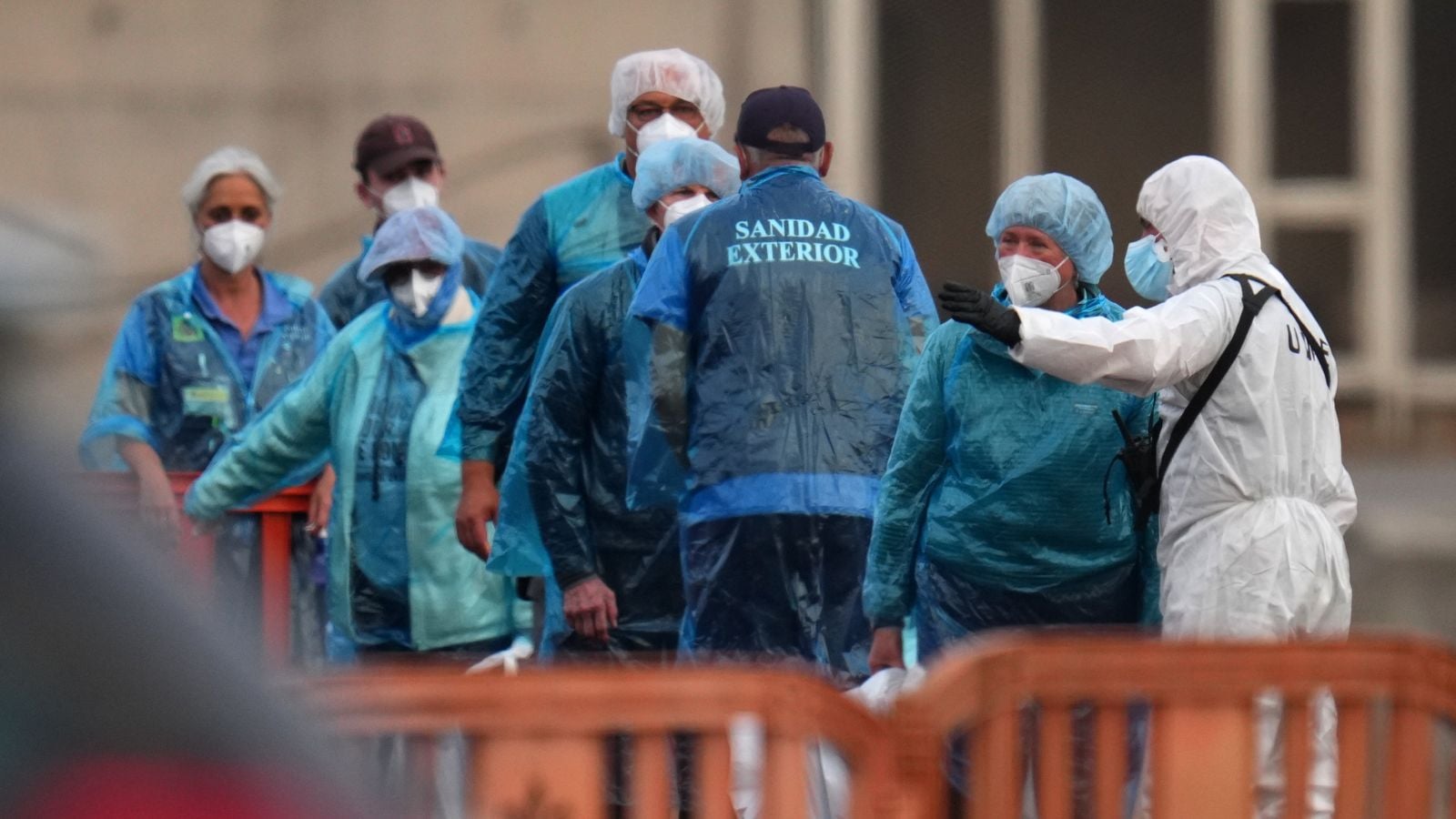
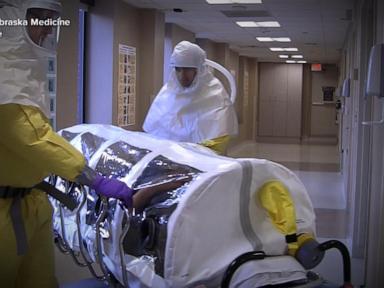
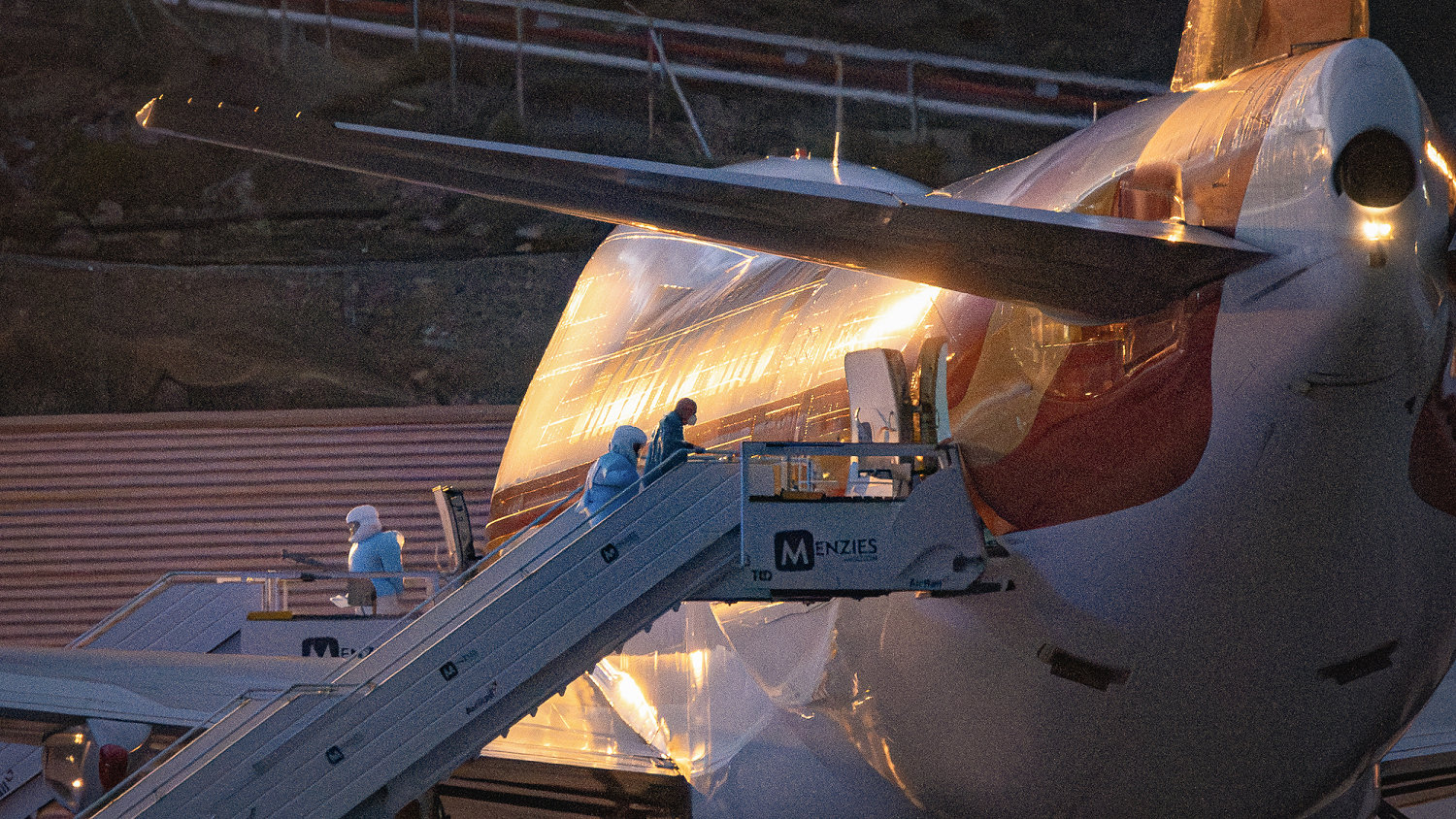
The detection of a positive Orthohantavirus—commonly termed "rat virus"—case among evacuated passengers in Tenerife exposes a critical failure in maritime biosafety protocols. While the immediate public health response focuses on containment, the incident serves as a primary case study in the breakdown of vessel-to-shore isolation barriers. Understanding the risk requires a granular decomposition of the transmission vectors, the biological footprint of the pathogen, and the systemic vulnerabilities of high-density cruise environments.
Pathogen Profile and Transmission Mechanics
Orthohantaviruses represent a genus of enveloped RNA viruses typically hosted by rodents. Unlike common maritime infections such as Norovirus, which thrive on high-touch surfaces and person-to-person contact, Hantaviruses operate through a distinct ecological cycle.
The Reservoirs of Infection
The primary risk on a vessel is not the passenger, but the rodent population inhabiting the ship's infrastructure. Transmission to humans occurs through three specific pathways:
- Inhalation of Aerosolized Excreta: This is the most frequent route. Disturbed nesting materials or dried droppings release viral particles into the air, which are then circulated via the ship’s Heating, Ventilation, and Air Conditioning (HVAC) systems.
- Direct Contact: Physical interaction with infected rodents or their saliva, urine, and nesting debris.
- Fomite Transmission: Touching surfaces contaminated with fresh excreta and subsequently touching mucous membranes.
The specific strain identified dictates the clinical outcome. European and Asian strains often lead to Hemorrhagic Fever with Renal Syndrome (HFRS), while New World strains typically cause Hantavirus Pulmonary Syndrome (HPS). In the Tenerife case, the focus shifts to HFRS, where the virus attacks the vascular endothelium, leading to increased capillary permeability and potential renal failure.
The Three Pillars of Maritime Biosafety Failure
The presence of a rodent-borne virus on a modern cruise liner indicates a collapse across three operational domains: Pest Control, Environmental Engineering, and Medical Screening.
1. The Vector Control Breach
Cruise ships are closed ecosystems. For a Hantavirus outbreak to occur, the rodent reservoir must reach a density threshold where human-vector interaction becomes statistically probable. The failure begins at the port of embarkation or during victualing (provisioning). If dry goods or pallets are not inspected with thermal imaging or rodent-exclusion protocols, the vessel effectively imports the reservoir. Once onboard, the ship’s "void spaces"—the unmonitored gaps between bulkheads and decks—provide an ideal breeding ground.
2. HVAC and Aerosolization Risks
The ship's air handling units (AHUs) act as a force multiplier for viral spread. Standard HEPA filtration levels in non-medical cabins are often insufficient to capture sub-micron viral particles if they are effectively aerosolized in the ducting. If rodents nest near air intakes or within the ventilation shafts, the virus is distributed directly into passenger living quarters, bypassing the need for physical proximity to the animal.
3. Latency and Detection Lags
Hantaviruses have an incubation period ranging from one to eight weeks. This creates a "detection blind spot." A passenger may be infected in the first week of a cruise but remain asymptomatic until well after they have disembarked or moved through multiple international ports. The symptomatic patients in Tenerife represent the tail end of a transmission event that likely occurred weeks prior.
Quantifying the Risk to Public Health Systems
The Tenerife incident necessitates a shift from individual patient care to a broader epidemiological assessment. The risk is defined by the R0 (basic reproduction number) of the virus in a terrestrial versus maritime setting. While Hantavirus is generally not considered to have significant human-to-human transmission (with the notable exception of the Andes virus strain), the concentrated nature of a cruise ship creates an "artificial R0" through shared environmental exposures.
The Diagnostic Bottleneck
The initial symptoms of HFRS—fever, chills, nausea, and intense back pain—are non-specific. In a cruise ship infirmary, these are frequently misdiagnosed as influenza or sea sickness. This delay in "source identification" allows the environmental reservoir to persist, continuously exposing new cohorts of passengers.
The Economic Cost Function of Quarantine
The decision to dock and evacuate in Tenerife triggers a cascade of economic liabilities.
- Operational Stasis: The vessel is rendered a "frozen asset" during deep cleaning and vector eradication.
- Reputational Discounting: Future bookings are devalued by the perceived lack of hygiene.
- Medical Liability: The cost of specialized intensive care for HFRS, which may include dialysis, falls upon the operator or insurers if the breach is traced to negligence in pest management.
Structural Vulnerabilities in Tenerife’s Response
The docking in Tenerife highlights the tension between maritime law and local health security. When a ship declares a medical emergency of this nature, the port authority must balance the "Right of Safe Harbor" against the risk of introducing a non-endemic pathogen or a highly concentrated vector population into the local environment.
The evacuation of passengers who later tested positive suggests that the initial triaging on the vessel was insufficient. To outclass standard responses, port authorities must implement a Biosecurity Buffer Zone. This involves:
- Isolation at Anchor: Not allowing the vessel to berth until a full environmental swab and rodent carcass count are completed.
- Sero-Surveillance: Testing not just symptomatic individuals, but a statistically significant sample of the high-risk demographic (those in the same cabin block or dining rotation).
- Vector Mapping: Using pheromone traps and infrared tracking to identify exactly where the rodent reservoir is located before passengers disembark through common gangways.
Biological Realities vs. Media Perception
Current reporting tends to sensationalize the "rat virus" label without addressing the specific biological constraints of the pathogen. Hantaviruses are relatively fragile outside the host; they are easily inactivated by detergents, alcohol-based disinfectants, and UV light. The danger is not a "plague-style" spread through the city of Tenerife, but rather the localized, high-concentration exposure within the vessel's internal architecture.
The two passengers who developed symptoms after disembarking prove that the "all-clear" given at the moment of docking is statistically meaningless. The focus must remain on the serological window. A negative test on Monday does not preclude a positive test on Wednesday if the viral load is still in the early replication phase.
Strategic Recommendation for Maritime Operators
To mitigate the risk of a repeat occurrence, cruise lines must move beyond reactive cleaning. The internal audit must focus on the "Grey Water and Waste Management" intersection. Rodents are drawn to ships primarily for water and food waste. Any breach in the vacuum-sealed waste systems or any standing water in the bilges serves as an attractant.
The immediate play for the vessel currently docked in Tenerife is a Total System Purge:
- Execute a ship-wide gas fumigation using hydrogen peroxide or chlorine dioxide, which penetrates the void spaces and HVAC ducts where manual cleaning is impossible.
- Implement a mandatory 21-day observation period for all crew members, as they represent the most consistent contact point with the ship's infrastructure.
- Redesign provisioning protocols to include a "Sterile Transit" phase, where all supplies are off-loaded from original pallets and re-packed in rodent-proof containers before entering the ship’s stores.
The Tenerife case is not an isolated medical anomaly; it is a signal of failing infrastructure in an aging global fleet. The transition from "cruise liner" to "quarantine zone" happens in the gap between a single ignored rodent sighting and the first localized outbreak. Operators who fail to quantify this gap will find themselves perpetually vulnerable to the massive financial and legal fallout of environmental pathogens.