Health officials are sounding the alarm after a confirmed case of hantavirus surfaced in an American patient, while another individual is currently showing symptoms. It's a scary headline. When the Department of Health and Human Services (HHS) puts out a notice like this, people tend to panic. Most folks haven't thought about hantavirus since a biology class or a random news snippet years ago. But this isn't just another "virus of the week" story. It's a reminder that our interaction with nature has consequences, sometimes fatal ones.
Hantavirus Pulmonary Syndrome (HPS) isn't like the flu. You can't catch it from a coworker sneezing in the elevator. It’s a respiratory disease that comes from rodents. Specifically, it comes from their waste. If you’re cleaning out a dusty shed or an old cabin, you might be breathing in more than just dust. You could be inhaling a virus that has a mortality rate of about 38%. That’s a staggering number.
The Reality of the HHS Warning
The HHS report indicates that one person is officially positive and another is symptomatic. This usually means the second person is undergoing the rigorous testing required to confirm the presence of the virus. We aren't talking about a massive outbreak, but hantavirus doesn't need to be widespread to be dangerous. It's rare. Because it's rare, doctors sometimes miss it until it’s almost too late.
The symptoms start off deceptively simple. You get a fever. Your muscles ache, particularly in the big groups like your thighs, hips, and back. You might feel tired or get a headache. It feels like you’re coming down with a bad cold or the flu. But then, about four to ten days later, the "pulmonary" part of Hantavirus Pulmonary Syndrome kicks in. Your lungs start filling with fluid. You can't breathe. It feels like suffocation from the inside.
If you've been around rodents or in a space where they might have lived, and you start feeling these "flu-like" symptoms, don't wait. Tell your doctor exactly where you've been. This isn't the time to be vague.
Why Mice Are More Dangerous Than You Think
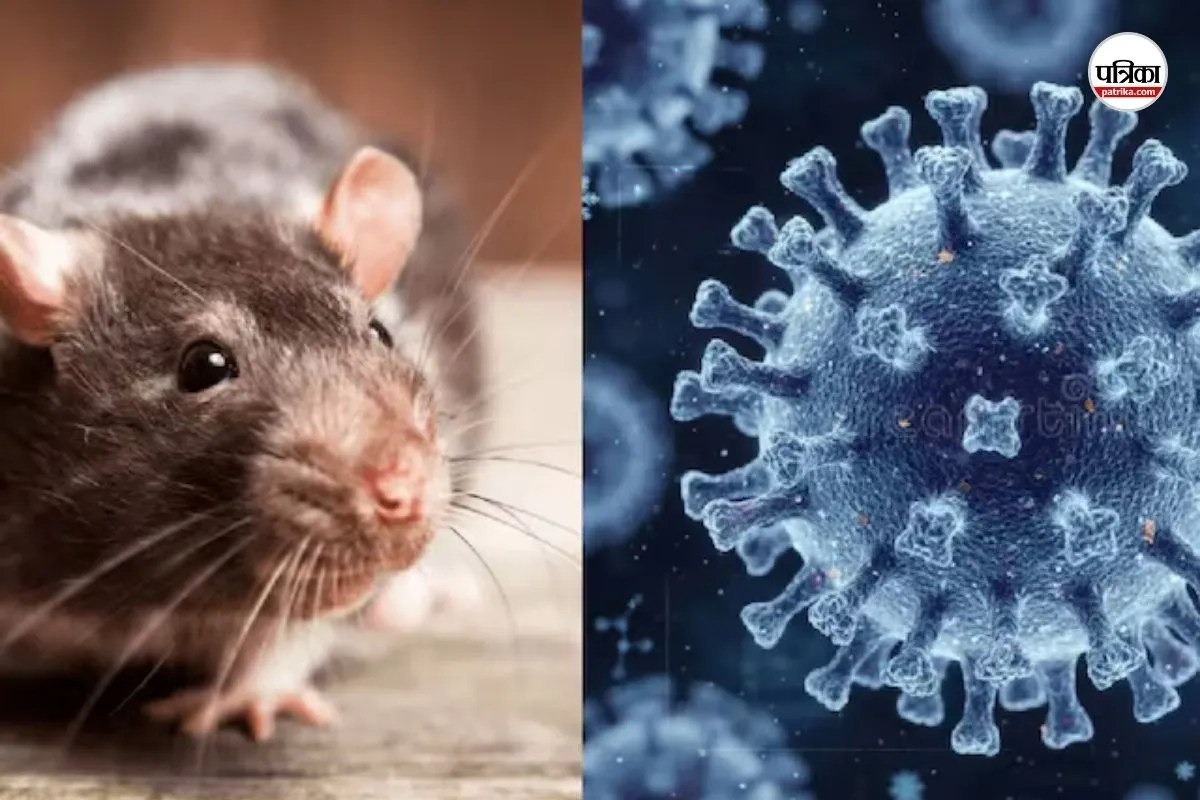
In the United States, the primary culprit is the deer mouse. White-footed mice, rice rats, and cotton rats can also carry it. These aren't just "cute" little critters. They are biological reservoirs. The virus lives in their urine, droppings, and saliva.
When these waste products dry out, the virus can become airborne. This process is called aerosolization. Think about sweeping a garage floor that hasn't been touched in six months. You see that cloud of dust rising in the sunlight? If a deer mouse has been living there, that dust cloud is potentially lethal. You breathe it in, and the virus hitches a ride straight into your lungs.
It’s not just about rural areas, either. While these cases often pop up in the Southwest or in mountainous regions, rodents move where the food and shelter are. As humans expand into more natural habitats, these encounters happen more frequently. We’re moving into their living rooms, and they’re moving into our attics.
Identifying the Warning Signs Early
Timing is everything with hantavirus. Because there is no specific cure, vaccine, or "magic pill" for HPS, treatment is all about supportive care. That means getting you into an ICU, potentially on a ventilator, and helping your body fight through the respiratory distress.
Early Symptoms (Days 1 to 5)
- Fever and chills: This is usually the first sign.
- Muscle aches: Not just a little soreness, but deep pain in the large muscles.
- Fatigue: A feeling of being completely wiped out.
- Digestive issues: Some people experience nausea, vomiting, or stomach pain. This often leads to a misdiagnosis of food poisoning.
Late Symptoms (Days 4 to 10)
- Shortness of breath: This is the red flag. It progresses rapidly.
- Coughing: A dry cough that gets worse as the lungs fill.
- Tightness in the chest: A feeling of intense pressure.
If you reach the stage where you're struggling for breath, every minute counts. The survival rate increases significantly when patients are intubated and given oxygen therapy early in the process.
The Mistakes People Make When Cleaning
Most people get infected because they're trying to be clean. It's ironic. You find mouse droppings in the basement and your instinct is to grab a broom or a vacuum. Stop. That is the worst thing you can do. Using a broom or a vacuum cleaner kicks the virus into the air.
I’ve seen people use leaf blowers to clean out sheds. That’s essentially a virus-delivery system. If you see signs of rodents, you need a different strategy. You need to wet the area down first. Use a mixture of bleach and water—about one part bleach to nine parts water. Soak the droppings, the nest, and the surrounding area. Let it sit for at least five minutes. This kills the virus before it can get into your lungs.
Wear gloves. Use paper towels to pick up the mess. Put everything in a plastic bag, seal it tight, and get it out of the house. Don't forget to disinfect the gloves or just throw them away afterward. It seems like overkill until you realize the stakes.
Protecting Your Home from the Source
Prevention is about making your home a fortress against rodents. If they can't get in, they can't leave their waste behind. Mice can squeeze through a hole the size of a dime. Look for gaps around pipes, under doors, and in the foundation.
- Seal the gaps: Use steel wool and caulking. Mice hate chewing through steel wool.
- Manage your food: Store pet food and pantry items in airtight metal or thick plastic containers. Rodents aren't there for the company; they're there for the snacks.
- Clear the perimeter: Keep woodpiles and tall grass at least 20 feet away from your house. Give them fewer places to hide near your walls.
- Trap, don't just repel: Peppermint oil and ultrasonic devices are mostly myths. If you have an infestation, use snap traps. Be careful when disposing of the dead rodents—use the same bleach-soaking method mentioned earlier.
Debunking Common Hantavirus Myths
There’s a lot of misinformation floating around whenever a case hits the news. Let’s clear some of it up.
First, you can't get hantavirus from another person. There was one documented outbreak in South America involving a different strain (Andes virus) where person-to-person transmission occurred, but the strains found in North America don't work that way. You aren't going to start a pandemic by shaking hands with someone who has it.
Second, your pets generally aren't at risk of getting sick from it. Dogs and cats don't seem to develop HPS. However, they can bring infected rodents into the house. If your cat likes to leave "gifts" on the kitchen floor, you’re still at risk of exposure while cleaning up the mess.
Third, the virus doesn't live forever outside the body. It’s relatively fragile. Direct sunlight kills it pretty quickly. But in a dark, damp crawlspace? It can hang around for days. Don't assume an old nest is safe just because it looks dry.
Navigating the Healthcare System
If you think you've been exposed, you need to be your own advocate. Because HPS is rare, a doctor at an urgent care clinic might just tell you to go home and rest. They’ll think it’s the flu. You have to mention the rodent exposure. Say it clearly: "I was cleaning a rodent-infested area and now I have a fever." That phrase should trigger a specific diagnostic path.
Blood tests can look for hantavirus antibodies. In the early stages, these might not show up yet, which makes the symptomatic monitoring so vital. If your breathing starts to get even slightly labored, get to an emergency room immediately. Don't wait for a follow-up appointment.
Actionable Steps for Safety
Check your attic, basement, and crawlspaces today. Look for the tell-tale black grains that look like rice—those are droppings. If you find them, don't panic, but don't grab the broom.
- Air it out: Open windows and doors for at least 30 minutes before you start cleaning an enclosed space.
- Personal Protective Equipment (PPE): Wear a mask (N95 is best) and rubber gloves.
- Disinfect first: Use the 10% bleach solution on everything.
- Dispose properly: Double-bag everything and wash your hands thoroughly with soap and water afterward.
This isn't about living in fear. It’s about respect for the environment. Rodents are a part of our world, but their viruses don't have to be a part of our bodies. Stay vigilant about your home maintenance and pay attention to your body’s signals. The HHS report is a wake-up call to take those dusty cleaning projects seriously.
Keep your living space sealed. Keep your food stored properly. If you start feeling like you've got a heavy flu after a weekend of yard work or garage cleaning, get to a doctor. Most people survive when they get medical help early. The tragedy of hantavirus isn't just the virus itself—it’s the delay in recognizing it for what it is. Be the person who knows the signs and acts fast.