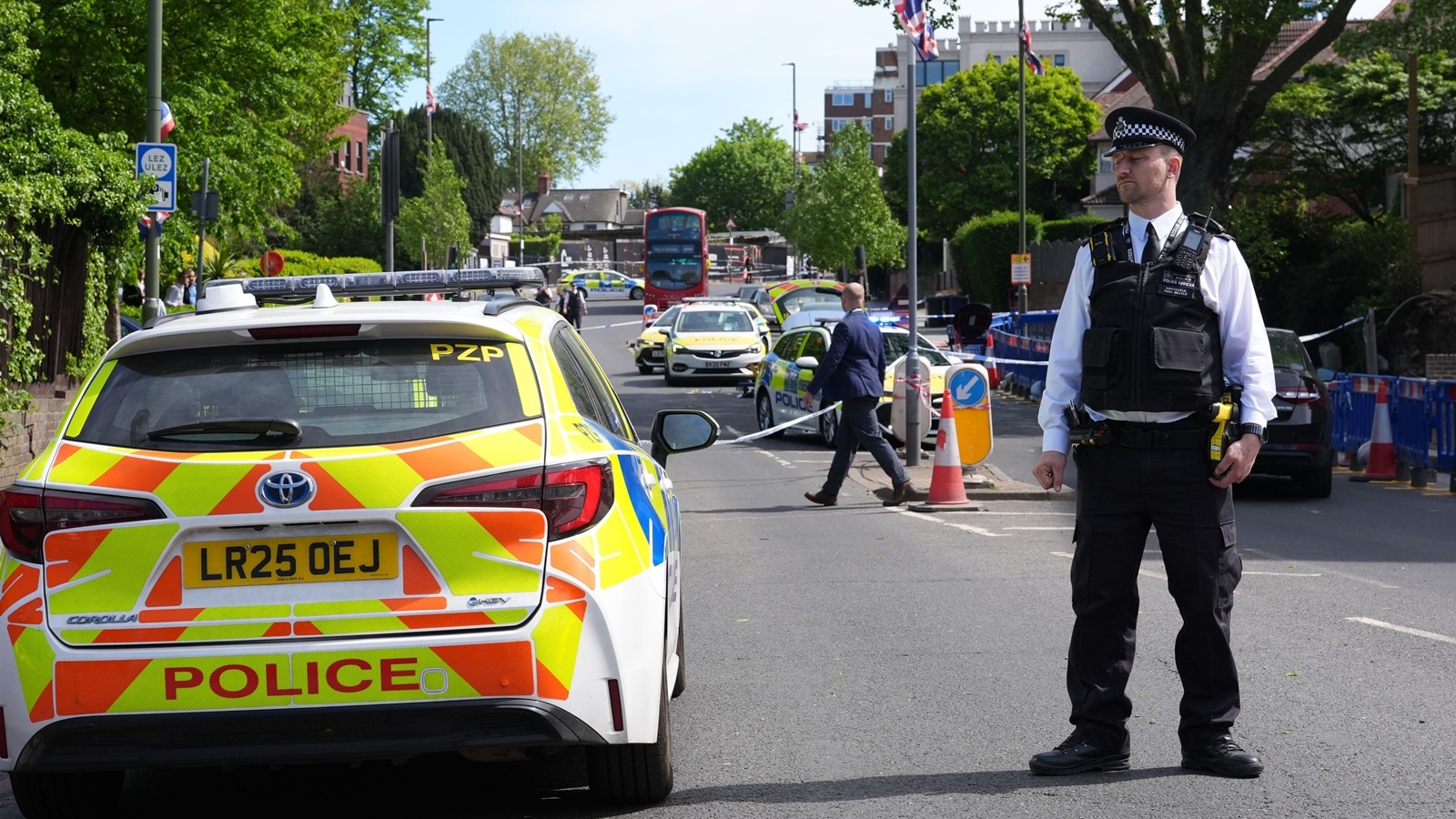
Four people are dead in Turkey. A gunman is on the loose. The international media has already deployed its standard, paint-by-numbers breaking news template. "Massive manhunt underway." "Terror grid activated." "Security protocols questioned."
It is a comforting script. It implies that the threat is an anomaly, that a massive state response can fix it, and that the manhunt itself is the apex of the story.
It is also completely wrong.
The breathless coverage of the manhunt treats the fugitive as a mastermind outsmarting the system. The reality is far uglier, cheaper, and more systemic. We are looking at the wrong end of the barrel. The obsession with the post-tragedy theater—the flashing lights, the camouflaged police units, the tracking dogs—is a distraction from a catastrophic failure of basic domestic governance and illicit trade suppression.
The Myth of the Tactical Mastermind
Mainstream reports frame a fugitive gunman evasion as a high-stakes chess match. I have spent years analyzing security infrastructure and cross-border arms flows in Eastern Europe and the Middle East. Let me tell you how these manhunts actually play out: it is rarely a display of brilliant evasion. It is a display of bureaucratic friction.
When a high-profile violent crime occurs, the immediate state response is about optics, not efficiency. Locking down border checkpoints and flooding the streets with heavily armed conscripts looks great on the evening news. It projects strength. But it ignores the structural realities of the region.
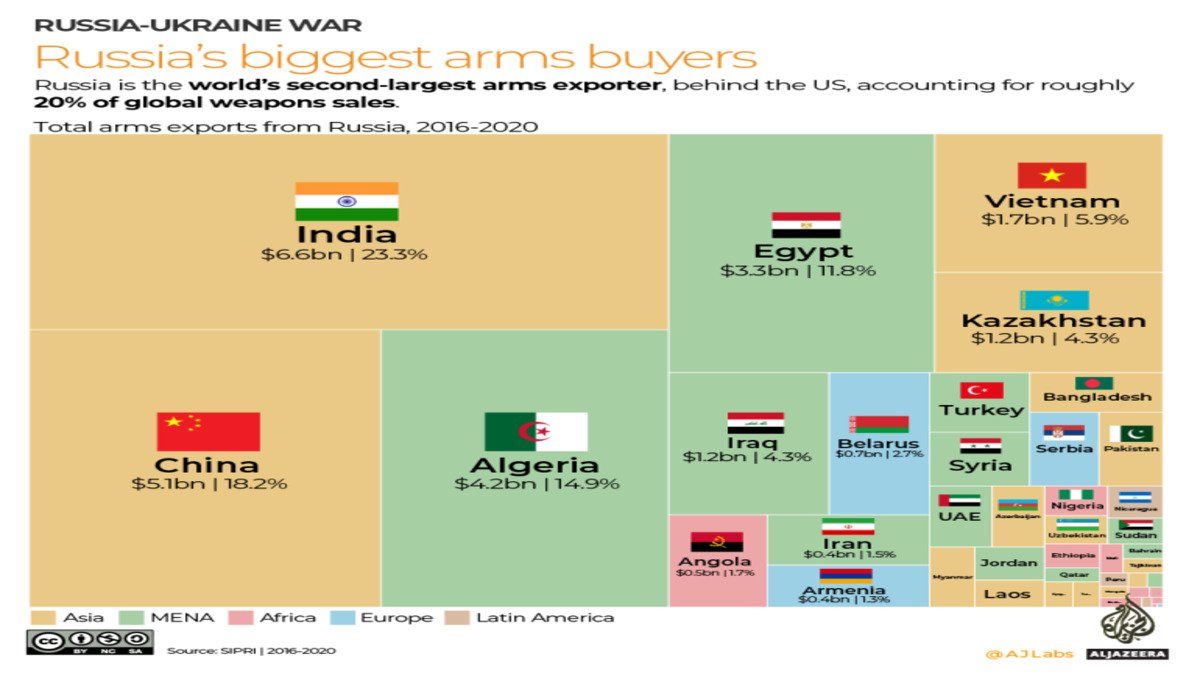
Turkey sits at a geographic and geopolitical crossroads. That is a cliché, but the mechanics of its illicit markets are not. The country has been grappling with a massive influx of unregistered, easily modifiable blank-firing pistols and smuggled automatic weapons from neighboring conflict zones for over a decade. When a criminal goes to ground, they are not relying on survivalist training. They are relying on deeply entrenched, localized informal networks that operate entirely beneath the state's radar.
The media asks, "How did he escape the perimeter?"
The real question is, "Why did he have the logistics to pull the trigger in the first place?"
Dismantling the Premium Security Illusion
Every time a tragedy like this hits the headlines, the immediate public reaction—and the lazy journalistic consensus—is to demand more surveillance, tighter dragnets, and harsher post-facto penalties.
This is security theater at its most expensive.
Imagine a scenario where a state spends hundreds of millions of dollars upgrading its facial recognition cameras and biometric checkpoints in major urban centers, only for a perpetrator to buy a black-market weapon in a suburban tea house, commit a crime, and walk into an unmonitored rural safe house. The high-tech grid is useless against low-tech, localized anonymity.
The premise of the "massive manhunt" as a solution is fundamentally flawed. A manhunt is a reactive admission of defeat. It means the preventative structures failed entirely.
Let's look at the data the mainstream media ignores. According to small arms survey data and regional crime indices, the availability of non-regulated firearms in the Mediterranean basin has spiked significantly over the last five years. The conversion of blank-firing guns into lethal weapons is an assembly-line industry. It requires no advanced engineering. It happens in small, nondescript workshops, not sophisticated cartel labs.
The focus on the shooter’s ideology or his current coordinates misses the point. The point is the commoditization of violence.
What the Public Gets Wrong About Regional Security
People frequently ask two questions during incidents like the Turkey shooting:
- How do shooters evade modern state intelligence apparatuses? They do it because intelligence apparatuses are built to look for macro-threats—organized terror cells, political conspiracies, cyber warfare networks. They are profoundly bad at detecting lone actors utilizing decentralized, non-digital criminal networks.
- Will increased police presence stop the next one? No. Increased police presence alters the geography of a crime; it rarely prevents it. It pushes the violence from a highly visible zone to a slightly less visible one.
The uncomfortable truth is that the state cannot guarantee absolute security without transitioning into total economic paralysis. You cannot checkpoint every street corner in an economy reliant on trade and mobility.
The contrarian approach to solving this is not flashy. It does not look good in a breaking news banner. It involves boring, grinding, unglamorous work: cracking down on the supply chains of blank-firing weapon manufacturers, regulating the sale of legal metalworking tools used for conversions, and disrupting the micro-financing methods used in illicit street-level sales.
But newsrooms do not want to talk about supply chain logistics of converted blank-firing pistols. They want to show a helicopter hovering over a forest.
The Dangerous Allure of the Crisis Narrative
By focusing entirely on the manhunt, the media turns a systemic policy failure into an episodic thriller. This creates a cycle of public panic followed by public apathy once the suspect is captured or killed. The underlying mechanics of the black market remain untouched, ready to supply the next actor.
We see this pattern globally. A crisis occurs, the state deploys massive resources to capture the individual, the media celebrates the competence of the police when the arrest is made, and the structural vulnerability remains wide open. It is a band-aid on a gunshot wound.
Stop looking at the map of the manhunt. Stop counting the number of police officers deployed to the scene. Start looking at the legislative loopholes that allow components for lethal weapons to be sold legally under the guise of starting pistols. Start tracking the failure of border interdiction strategies that privilege political posturing over practical cargo screening.
The gunman on the loose is a symptom. The "massive manhunt" is a distraction. Until the conversation shifts from how we catch a killer to how we systematically starve the market that armed him, the script will keep repeating. And the media will keep selling the theater.