India is not stopping its purchase of Russian crude oil. It does not matter how many Western sanctions waivers are issued or how tight the price caps get. New Delhi has a clear priority, and that priority is keeping its own economy running on affordable energy.
Recent statements from top Indian government officials make the position clear. Washington can tweak its sanctions rules all day long. India will keep buying Russian oil because its national interest demands it. If the oil is cheap, available, and legal under international frameworks, Indian refiners will snap it up.
This isn't just about defiance. It is a calculated survival strategy for the world's most populous nation.
The Reality Behind India Russian Oil Trade
Western capitals often look at global energy markets through a geopolitical lens. India looks at them through a spreadsheet of national expenses. India imports around 85% of its total crude oil requirements. When global oil prices spike, the Indian economy takes a direct hit. Inflation rises, the rupee weakens, and fiscal deficits widen.
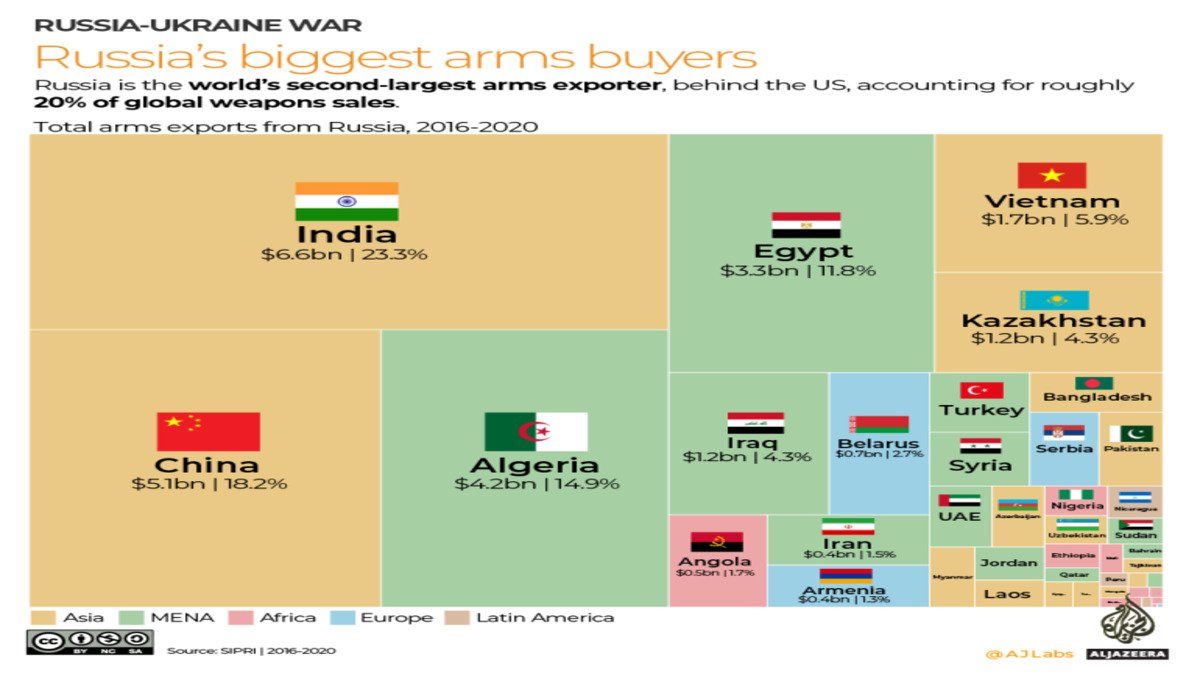
When the conflict in Ukraine began and the West moved to isolate Moscow, Russia offered massive discounts on its Urals crude. India jumped at the chance. Within months, Russia went from a minor supplier to India’s top source of crude oil, overtaking traditional Middle Eastern suppliers like Saudi Arabia and Iraq.
Indian officials state openly that these purchases managed to keep global energy markets stable. If India had competed with Europe for Middle Eastern and African oil, global prices would have gone through the roof. By soaking up discounted Russian barrels, India kept its internal inflation in check and prevented a global energy panic.
Decoding the US Sanctions Position
The United States has issued various sanctions and price caps aimed at limiting Russia's oil revenues. They created the G7 price cap mechanism, which bans Western companies from providing shipping, insurance, or financial services for Russian oil priced above $60 per barrel.
But the enforcement mechanisms have a lot of wiggle room. The US Treasury frequently issues sanctions waivers and specific licenses to keep oil flowing and prevent supply shocks. India navigates these rules carefully. Indian state-run and private refiners ensure they don't overtly violate international banking laws, but they actively utilize any legal pathway available to keep the trade alive.
When the US sanctions specific Russian vessels or shipping companies, India temporarily adjusts. Refiners might turn away a specific tanker to avoid compliance issues, but they don't stop buying the oil itself. They simply find alternative fleets, non-Western insurance providers, or switch to alternative payment mechanisms like UAE dirhams or Indian rupees.
The Myth of Western Leverage Over New Delhi
Many Western analysts assumed that pressure from Washington would eventually force India to diversify away from Moscow. That assumption misunderstands Indian foreign policy. India has practiced strategic autonomy for decades. They don't take sides in superpower standoffs.
Western nations need India as a strategic counterweight in Asia. Because of this, Washington cannot afford to push New Delhi too hard on energy compliance. Heavy-handed sanctions against Indian firms would backfire horribly, damaging a vital diplomatic alliance. Indian policymakers know this, and they use that leverage to protect their energy imports.
How Indian Refiners Win Big
The shift to Russian crude changed the financial landscape for Indian refining companies. Private players like Reliance Industries and Nayara Energy, along with state-run giants like Indian Oil Corporation, adapted their complex refineries to process heavy Russian Urals crude.
They didn't just sell this refined product domestically. Indian refiners processed the cheap Russian crude into diesel and jet fuel, then exported it right back to Europe and the US at market rates. It is a perfectly legal loophole. Once crude is refined in a third country, it changes its country of origin. Europe banned Russian crude, but they are buying Russian oil refined on the coast of Gujarat.
What This Means for Global Energy Markets
The trade patterns established over the last few years are now permanent fixtures of global commerce. Russia found a reliable, massive market in Asia. India secured a steady supply of discounted energy to fuel its industrial expansion.
Don't expect India to change course anytime soon. As long as Russia offers a price advantage that offsets the logistical headaches of sanctions compliance, the tankers will keep moving toward Indian ports. Washington will continue to talk tough and issue occasional sanctions updates, but New Delhi will keep looking at the bottom line.
For businesses and investors tracking global energy flows, the lesson is clear. Ignore the political rhetoric from the West regarding total isolation of Russian energy. Focus instead on the physical movement of barrels. India’s energy policy remains entirely transactional, predictable, and focused on its own economic survival. If you are analyzing future energy trends, always bet on India prioritizing its internal growth over Western diplomatic pressure.