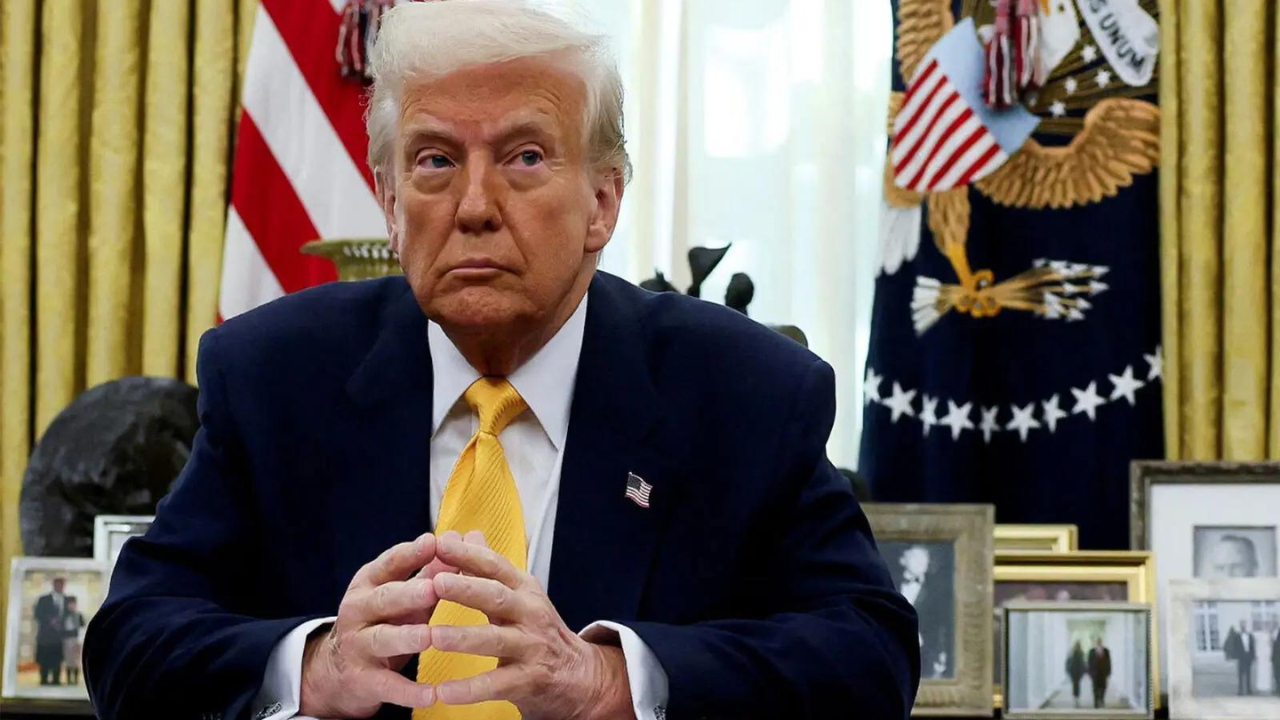
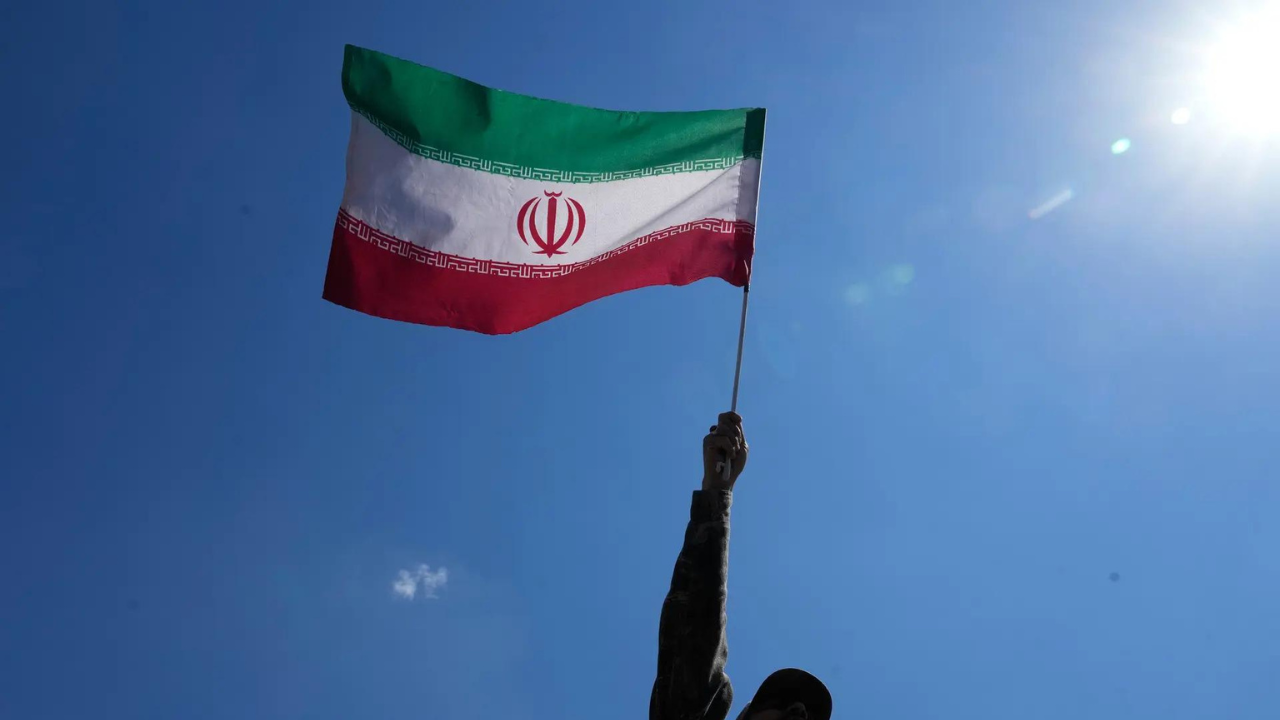
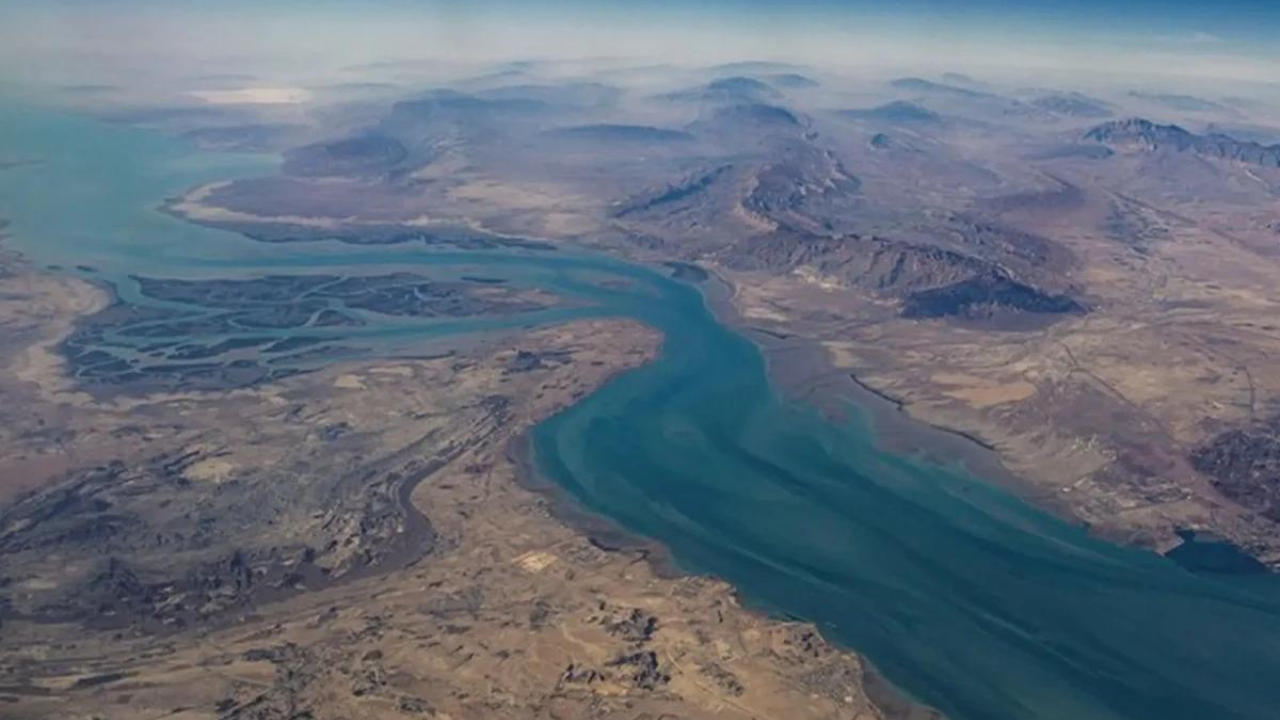
Don’t let the word "ceasefire" fool you. While President Trump just extended the truce with Tehran to give Pakistani mediators more breathing room, the situation in the Strait of Hormuz is actually getting more violent, not less.
Just hours after the extension was announced on April 21, 2026, the Iranian Revolutionary Guard Corps (IRGC) effectively tore up the spirit of the agreement by seizing two commercial vessels. They didn’t just shadow them; they opened fire. If you’re looking for a sign that the "unified proposal" Trump is waiting for might never arrive, this is it.
The Seizure of MSC Francesca and Epaminondas
Early Wednesday morning, the UK Maritime Trade Operations (UKMTO) started getting frantic reports of gunfire near the Omani coast. An IRGC gunboat targeted the MSC Francesca, a Panama-flagged container ship, 15 nautical miles northeast of Oman. There was no radio warning. They just started shooting, hitting the bridge and causing significant damage.
A few hours later, the Greek-operated Epaminondas was intercepted. Both ships are now sitting off the Iranian coast under IRGC control.
The official line from Tehran? They claim these ships "tampered with navigation systems" and "lacked proper authorization." Honestly, that sounds like a convenient excuse to retaliate against the U.S. naval blockade that’s been strangling Iranian ports since April 13.
Trump’s Ploy and the Fractured Regime
Trump says he’s giving Iran more time because the government in Tehran is "seriously fractured." He’s not wrong about the internal chaos. Behind the scenes, there’s a massive power struggle happening.
- The Pragmatists: People like Parliament Speaker Mohammad Bagher Ghalibaf are pushing for the talks in Islamabad to actually happen.
- The Hardliners: IRGC Commander Major General Ahmad Vahidi seems more interested in derailing negotiations.
By extending the ceasefire, Trump is basically throwing a grenade into Iranian internal politics. He’s betting that the financial collapse of the Iranian economy—which he’s been bragging about on Truth Social—will eventually force the pragmatists to win out.
But the IRGC has its own plan. To them, the U.S. blockade is an act of war regardless of whether the bombs are currently falling. Mahdi Mohammadi, an adviser to the Iranian parliament, made it clear on X: the extension means nothing as long as the "siege" continues.
Why the Blockade is the Real Battleground
You have to understand the math here. Iran’s agriculture minister claims they produce 85% of their own food, but the U.S. isn't just targeting wheat and rice. They’re targeting the cash flow.
The U.S. Navy recently seized the Iranian-flagged Touska after disabling its engine room in the Gulf of Oman. They’ve also intercepted tankers as far away as the Bay of Bengal. This isn't just a local skirmish; it’s a global game of maritime keep-away.
Iran’s response has been to treat the Strait of Hormuz like a private toll road. They’ve been trying to charge "security fees" of up to $2 million per vessel for safe passage. When ships don't pay or follow IRGC "protocols," we see the kind of kinetic action that happened this morning.
What This Actually Means for Global Trade
If you think this only affects oil prices, think again. The Strait is the jugular vein of global energy, but it’s also a massive corridor for containerized goods.
- Insurance premiums are skyrocketing. No shipping company wants to send a billion-dollar vessel into a zone where gunboats fire without warning.
- Energy security is a memory. The U.K. Energy Secretary already admitted the era of fossil fuel security is over.
- Alternative routes are clogged. You can't just "go around" the Strait of Hormuz easily without adding weeks to a journey.
The Islamabad talks were supposed to feature high-level U.S. officials like JD Vance and Jared Kushner. But after today’s seizures, the likelihood of those meetings producing anything more than a photo op is slim. Iran’s military isn't waiting for a "unified proposal"—they’re already in the next phase of the conflict.
Watch the ship-tracking data. If we see more vessels like the MSC Francesca being diverted to Iranian shores, the ceasefire extension will be remembered as nothing more than a brief pause before a much larger storm. The IRGC has called the Strait their "red line," and they just crossed it themselves to prove they still hold the keys.
If you’re managing supply chains or tracking energy markets, stop looking at the diplomatic statements. Watch the water. The real news isn't what Trump says on social media; it’s the hull damage on the ships currently being escorted to the Iranian coast.