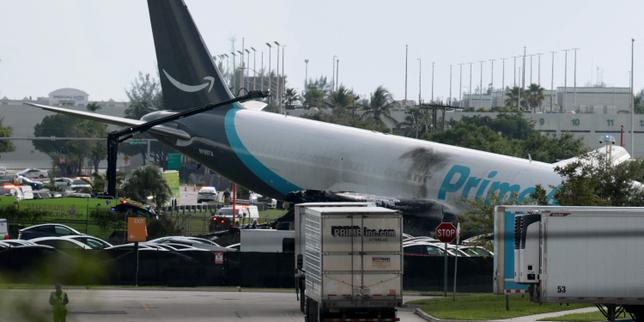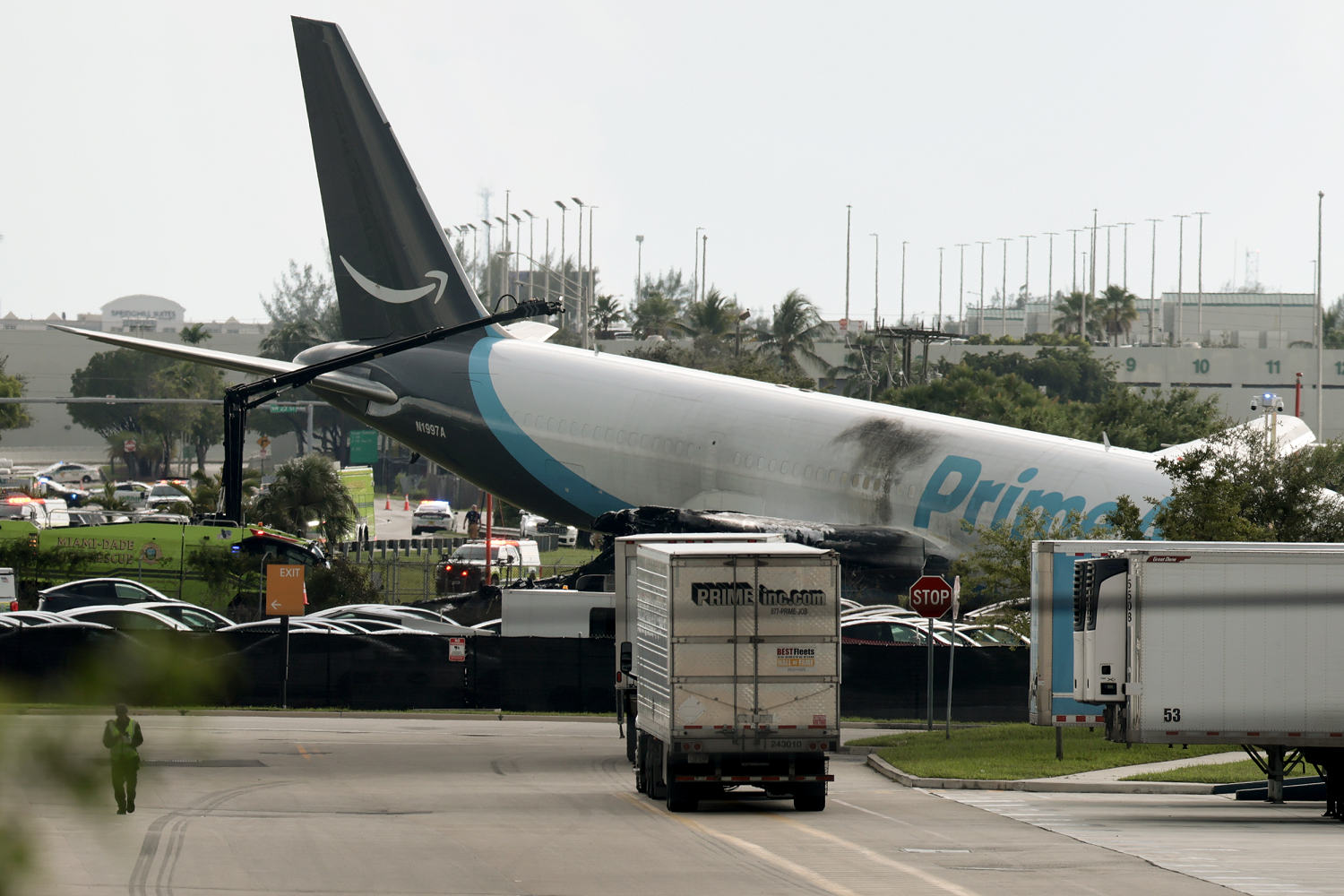
The lazy consensus following any tarmac disaster is immediate and predictable. The media rolls out armchair aviation experts to hyperventilate about pilot fatigue, weather anomalies, or sudden mechanical failure. When an Amazon-branded freighter overruns a runway at Miami International Airport and ploughs into local traffic, the knee-jerk narrative writes itself. Everyone points fingers at the cockpit crew or screams for tighter FAA regulations on corporate flight hours.
They are looking at the wrong end of the telescope.
I have spent decades watching logistics conglomerates scale operations to breakneck speeds, and I can tell you the dirty secret of modern freight transport: we have engineered a system where overruns are not anomalies. They are mathematical certainties waiting for the right alignment of rain, weight, and hubris. Blaming the flight deck for a Miami runway breach is a convenient deflection. It shields corporate boards, airport authorities, and algorithmic dispatchers from confronting the structural rot at the heart of same-day delivery economics.
Let us dismantle the prevailing assumptions.
The Weight Class Delusion
The standard public discourse assumes that a cargo plane behaves like a passenger jet with fewer seats. This is dangerously false. A passenger aircraft carries vacationers, duty-free bags, and a predictable payload. A dedicated freighter carries high-density goods, heavy electronics, and concentrated commercial inventory stacked to the cabin ceiling.
When an e-commerce carrier operates a converted widebody freighter into a constrained urban airport like Miami, the landing margins shrink to zero. Traditional runway design was calculated decades ago for lighter airframes with different braking dynamics. Today, we cram maximum structural payload into older airframes, push dispatch windows to the absolute second, and expect wet pavement physics to bend to quarterly revenue targets.
Imagine a scenario where a freighter touches down fifty knots faster than optimal because dispatch routing demanded an aggressive turnaround to hit a sorting hub deadline in Kentucky. Add a slick tropical downpour on a short tarmac, and the kinetic energy equation shifts violently. The tires hydroplane not because the pilot lacks skill, but because the kinetic load exceeds the frictional coefficient of the asphalt.
The aviation establishment refuses to penalize the entities driving these tight schedules because doing so would require auditing the entire commercial promise of instant gratification.
The Algorithmic Tyranny of Turnarounds
We talk endlessly about human error while ignoring the non-human actor making ninety percent of the operational decisions: the dispatch algorithm.
In modern logistics networks, pilots do not decide when to fly or how much fuel to burn to save weight. Flight plans are optimized down to the ounce and the second by automated routing engines that prioritize fuel efficiency and asset utilization over safety buffers. When a flight faces headwinds over the Gulf, the system recalculates. It pressures the crew to make up lost minutes on the approach.
This creates a culture of invisible coercion. No executive tells a captain to land on a slick runway at high speed. The software simply structures the reward and penalty system so that safety hesitations result in career friction, missed scheduling bonuses, and operational black marks.
When that Miami freighter skipped past the blast pads, the root cause was baked into the departure slot six hours prior in Seattle.
The Airport Infrastructure Trap
We also need to talk about urban encroachment. Miami International Airport is a masterclass in spatial compromise. Built decades ago when cargo volume was a fraction of today's output, it is now hemmed in by dense metropolitan sprawl, highways, and residential zones.
Runway safety areas—those crucial gravel or overrun zones designed to catch a sliding aircraft before it hits public infrastructure—are sub-optimal. Airports sacrifice safety buffer dimensions to accommodate more gate space and heavier taxiway traffic. When an aircraft slides off the concrete in Miami, it does not stop in an open field. It hits public roads because the margin for error was traded away for commercial real estate value years ago.
Port authorities and municipal governments take kickbacks and landing fees from expanding freight operations while turning a blind eye to the physical constraints of their own tarmac footprints. They want the economic activity of a global logistics hub without investing in the multi-billion-dollar runway extensions required to stop a heavy freighter in a monsoon.
The Real Fix Nobody Wants
If we actually want to stop cargo planes from crashing into highways, we have to stop treating aviation safety as a variable that can be optimized away.
First, we need to mandate dynamic runway length calculations that factor in the actual braking action coefficients of wet, contaminated asphalt under maximum structural weight, rather than relying on dry-runway certification standards from the 1970s.
Second, we must legally sever the link between algorithmic schedule adherence and pilot dispatch authority. If a captain decides to divert or delay because of braking concerns, corporate software must have zero capacity to penalize that choice, implicitly or explicitly.
Finally, stop letting e-commerce giants hide behind third-party ACMI operators. When a plane branded with a trillion-dollar retail logo overruns a runway, the accountability belongs to the entity dictating the delivery promise.
Until we stop forgiving bad math and start punishing systemic overreach, more cargo will end up where it does not belong.
The runway ran out because we built a system that refuses to stop.