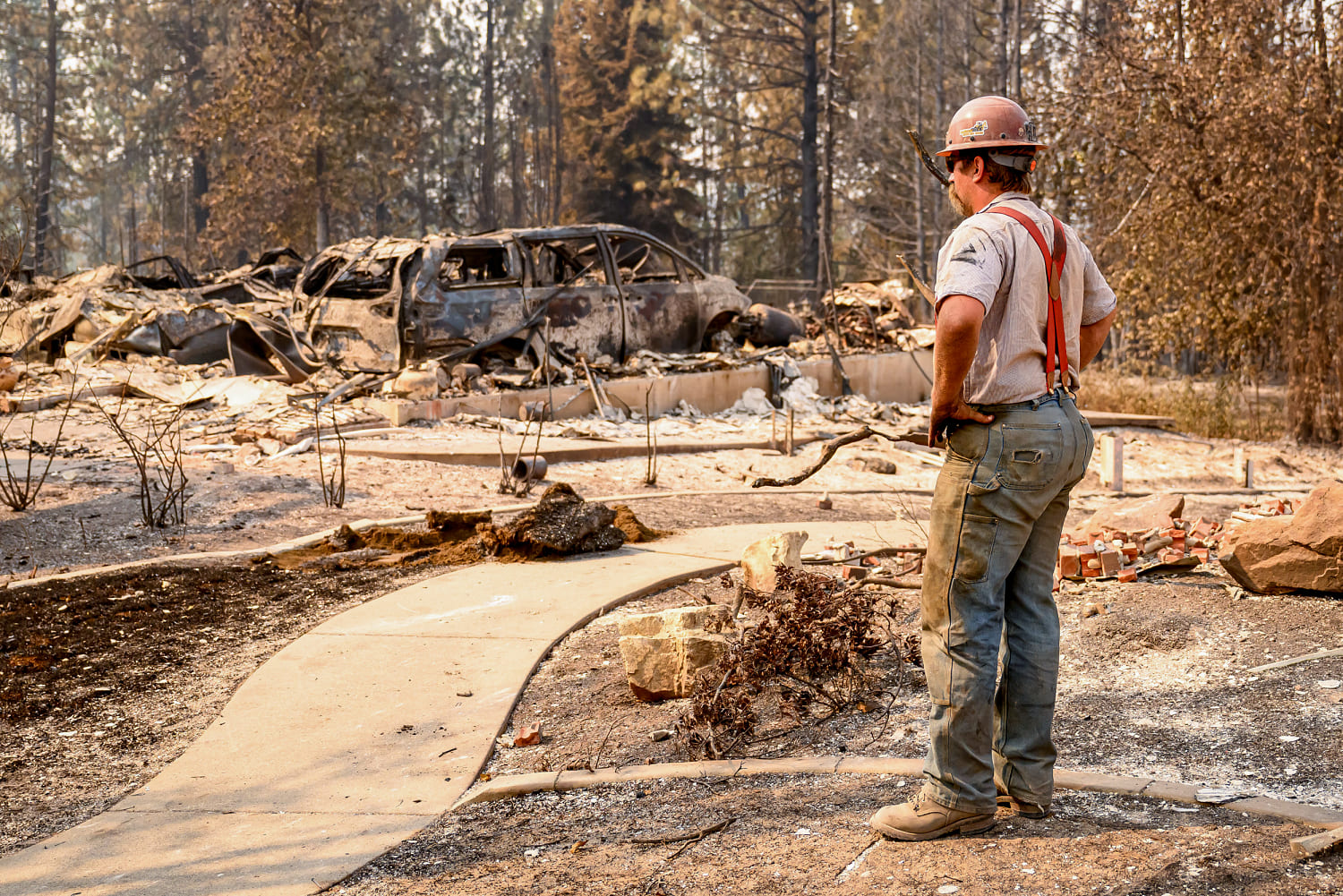
When a wildland firefighter steps onto the line for a sixteenth consecutive hour during the Spokane Complex Fire, they are not operating at peak efficiency. They are running on cold coffee, adrenaline, and a dangerous deficit of sleep. Public reports often frame these extended shifts as heroic acts of endurance. Experienced responders know the truth. It is a symptom of structural failure, critical staff shortages, and an escalating climate reality that the current federal and state response models were never built to handle.
The numbers tell a punishing story. As containment lines stretch thin across thousands of timbered acres in eastern Washington, local and regional agencies find themselves leaning heavily on a depleted workforce. Crews are routinely pulled from initial attack assignments, forced straight into extended operational periods, and denied the mandatory recovery windows designed to prevent cognitive impairment.
This is not a temporary anomaly. It is the new baseline for western fire suppression.
The Arithmetic of Exhaustion
Fatigue on the fireline behaves much like intoxication. Decision-making slows. Spatial awareness degrades. Fine motor skills slip. When crews log 16-hour shifts day after day, the risk profile shifts dramatically from managing the fire to surviving the crew's own mistakes.
The physical toll of wildland firefighting is already among the highest of any profession. Packing a Pulaski, cutting line through dense underbrush, and breathing particulate-heavy smoke demands immense cardiovascular output. Add sleep deprivation to that equation, and the human body breaks down rapidly. Muscle recovery fails. Heat illness becomes a constant threat. Most dangerously, situational awareness narrows, leaving firefighters vulnerable to sudden blowups, shifting winds, and entrapment scenarios.
Agency guidelines formally mandate rest periods, but these rules frequently buckle under operational pressure. When active perimeter growth threatens rural communities and critical infrastructure, incident commanders face an impossible calculus. Do they pull exhausted crews off the line to rest, leaving miles of uncontained firefront open, or do they keep them working past their physical limits?
Too often, the choice defaults to keeping tired boots on the ground.
Structural Shortfalls and Retention Crises
The root cause of these brutal shifts extends far beyond a single seasonal surge. Wildland firefighting suffers from a deep, systemic retention crisis. Federal agencies, particularly the United States Forest Service and the Bureau of Land Management, have struggled for years to maintain adequate staffing levels.
Low base pay remains a primary driver of the exodus. For decades, federal firefighters earned wages that lagged far behind municipal counterparts, despite facing arguably higher risks in remote, austere environments. While recent legislative efforts have attempted to secure permanent pay reforms, the bureaucratic rollout has been uneven and plagued by uncertainty. Experienced personnel continue to trade the smoke for stable, higher-paying careers in municipal departments or the private sector.
When veteran crew leaders leave, institutional knowledge walks out the door. The remaining workforce skews younger and less experienced. This dynamic creates a vicious cycle. Inexperienced crews require closer oversight, yet veteran supervisors are stretched thin across multiple divisions, trying to manage complex fire behavior with half-built teams.
When personnel numbers drop, the math dictates that the remaining workers must pull double duty. Sixteen-hour shifts become the default management strategy to make up for vacant roster spots.
The Changing Fuel and Climate Matrix
The Spokane Complex Fire is burning through a landscape transformed by decades of fire suppression, prolonged drought, and rising summer temperatures. Trees that once acted as resilient timber stands now function as dry tinder.
Historically, fire seasons had clear boundaries. Crews worked intensely through the summer months and spent the winter maintaining equipment, conducting prescribed burns, and recovering. That seasonal breathing room has effectively vanished. Fire seasons now routinely stretch across six to eight months. Crews deploy internationally or across state lines, chasing seasonal peaks from California to Canada.
This year-round tempo denies the body and mind the chance to reset. Firefighters are not just fighting the Spokane Complex Fire; they are fighting the cumulative exhaustion of successive years spent sprinting from one crisis to the next without a proper offseason.
The operational tempo changes how fires behave as well. Modern megafires do not sleep when the sun goes down. Extreme nighttime burning conditions, driven by low humidity and persistent winds, mean that night shifts are no longer safer holding actions. They are high-intensity combat zones. Crews working through the night face zero visibility, navigating burning snags and unpredictable spot fires while fighting off profound circadian fatigue.
Reforming the Frontline
Solving the crisis of the 16-hour shift requires a fundamental redesign of how agencies approach workforce management. Treating firefighters as infinitely expendable resources is no longer a viable strategy for public safety or ecological management.
First, surge capacity must be vastly expanded. Relying on the same core group of federal and state personnel to absorb every seasonal escalation guarantees burnout. Expanding prepositioned reserve pools, integrating structured rotations with allied national guard units, and strengthening local volunteer networks can relieve the pressure on primary initial attack crews.
Second, strict enforcement of operational rest standards must be non-negotiable. If a crew hits the hard cap of consecutive work hours, they must be pulled off the line, regardless of containment percentages. Risk management cannot be subordinated to political pressure or public panic.
Finally, compensation and benefits must reflect the actual danger and psychological weight of the profession. Attracting and retaining a deep bench of veteran firefighters requires professionalizing the career track with year-round employment, comprehensive mental health support, and robust hazard compensation that matches the severity of the work.
Until these systemic changes take root, the smoke will continue to rise over eastern Washington and beyond. Behind every containment line holding back the flames will be a crew operating on borrowed time, waiting for the system to change before the human cost becomes too high to ignore.