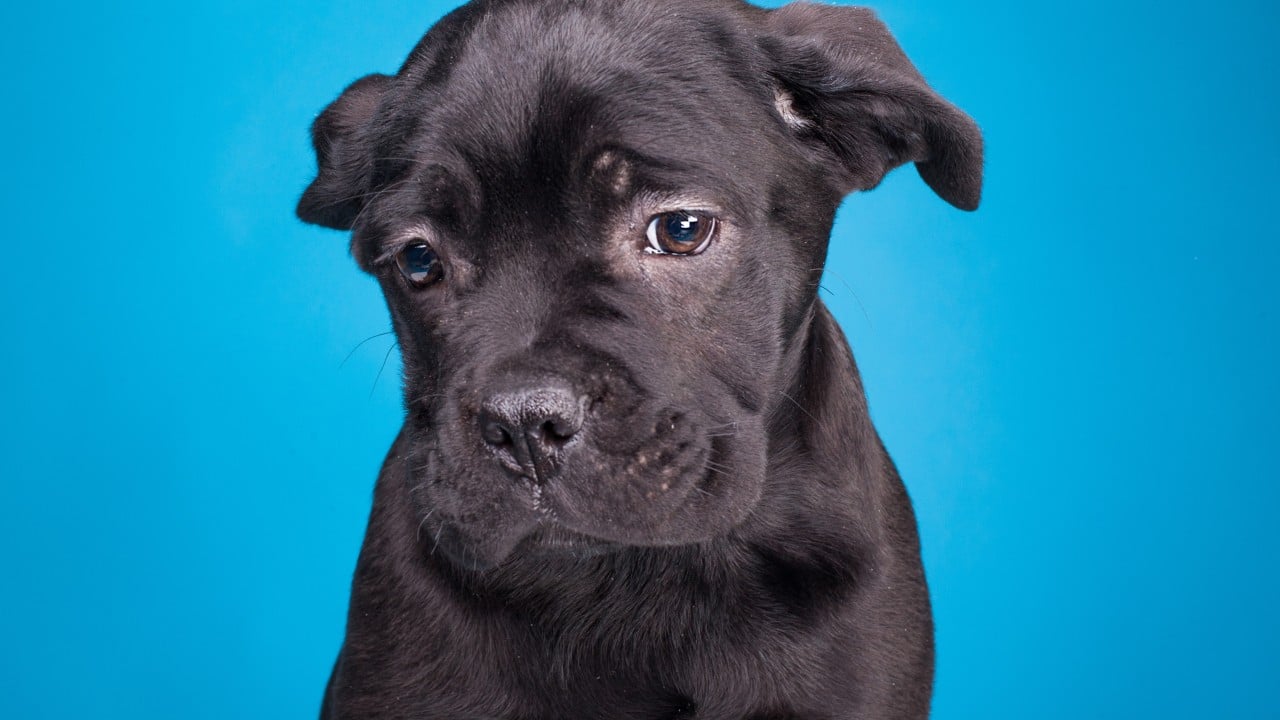
Two men walked into a George Town courtroom in late October 2026 and pleaded not guilty to dragging a dog behind a motorcycle. Meanwhile, the victim—a black female dog named Blacky—sat right there in court, visibly recovered and wagging her tail.
Most news coverage treats stories like this as quick outrage bait. They drop a headline, summarize the police blotter in three hundred words, and move on to the next viral clip.
That misses the real story entirely.
If you look closely at what happened in Jelutong, Penang, this case exposes everything that works—and everything that still breaks down—when citizens try to enforce animal protection laws in Malaysia. Between viral bystander intervention, political pressure, and a prosecution strategy that actually uses the full teeth of the Animal Welfare Act 2015, the trial of Lee Beng Hooi and Yeoh Keat Chye represents a major test for how courts handle street cruelty.
What Actually Happened in Jelutong
Let's strip away the social media rumors and stick to the court record.
Between 6:26 pm and 6:30 pm on September 23, 2026, two 62-year-old friends—Lee Beng Hooi and Yeoh Keat Chye—allegedly rode a motorcycle down a back lane behind a row of terrace houses at Jalan Hijau 4 in Jelutong, Penang. Tied to the bike by an iron chain was a black female dog.
Four minutes. That's how long the recorded incident lasted. Anyone who has ever seen road rash on an animal knows four minutes on asphalt behind a moving motorbike is an eternity.
The dragging didn't stop because the riders had a sudden change of heart. It stopped because a passer-by stepped in, confronted them, and forced them to halt.
How the Viral Clip Became a Criminal Case
Viral videos die on Facebook every day without producing a single arrest. Here, three specific links in the chain turned outrage into legal action:
- Eyewitness documentation: The bystander didn't just yell; they captured footage and stayed reachable.
- Rescuer mobilization: Local independent animal rescuer David Yim tracked down the eyewitness, verified what happened, and lodged a formal complaint directly with the Penang Department of Veterinary Services (DVS).
- Local political escalation: Batu Lanchang assemblyman Ong Ah Teong caught wind of the video and ordered his special assistant to file an official police report at the Jelutong station by 11:00 pm on September 24.
By the next day, Penang DVS director Dr. Saira Banu Mohamed Rejab confirmed officers had identified the suspects and seized the dog for emergency veterinary care. Without that rapid handoff between an ordinary citizen, an experienced rescuer, and an elected representative, the trail would have gone cold within forty-eight hours.
Inside the Courtroom at George Town Sessions Court
On October 29, 2026, both men stood before Sessions Court Judge Irwan Suainbon. Represented by defense counsel K. Mahendran, Lee—a mechanic—and his friend Yeoh both nodded and claimed trial.
What makes this courtroom appearance unusual isn't just the charge. It's who attended.
Blacky, the black female dog at the center of the case, was brought into court by her DVS handler. According to court reporters on the scene, she had healed from her leg injuries and appeared lively. Prosecuting officers Noorfaiz Fikri Nor Azmi and Azhar Ahmad didn't just ask for a mention date—fixed for December 7, 2026, for document submission—they also signaled a critical legal move.
Azhar informed the court that the DVS plans to file an application under the Animal Welfare Act to permanently strip custody and place Blacky up for adoption with a vetted, suitable owner.
That detail matters more than people realize. In dozens of past abuse cases across Southeast Asia, seized animals sit in limbo inside government holding facilities for years while trials drag on, or worse, get returned to negligent owners on technicalities. Moving early for an adoption order treats the animal as a living victim needing permanent placement, not just a piece of physical evidence locked in an evidence room.
Why Prosecutors Used the Animal Welfare Act Instead of the Penal Code
If you follow Malaysian crime news, you've probably noticed a frustrating pattern. Someone tortures a stray animal, gets caught on CCTV, and walks away with a slap on the wrist.
Take the January 2026 case in Perak, where a man killed a stray dog using a firecracker. Prosecutors charged him under the Penal Code, and he walked out of court with a RM2,000 fine. Or look back at a February 2024 Penang case involving a hawker caught on video dragging a brown mongrel with a 182-centimeter chain behind his motorbike—he received just one day in jail and a RM12,000 fine.
Why do penalties swing so wildly? It comes down to which law prosecutors pick.
Section 29(1)(e) vs. Old Penal Code Charges
In the Jelutong case, DVS prosecutors framed the charge under Section 29(1)(e) of the Animal Welfare Act 2015 (Act 772), read together with Section 34 of the Penal Code.
Here is what those two provisions actually do:
- Section 29(1)(e) of Act 772: Makes it a specific criminal offense to cruelly beat, kick, ill-treat, override, overdrive, overload, torture, infuriate, or terrify any animal—or to cause unnecessary pain and suffering while transporting or leading it. Unlike legacy Penal Code mischief charges that treat animals like damaged property, Act 772 recognizes sentient suffering.
- The sentencing range: Conviction under Section 29 carries a mandatory minimum fine of RM20,000 up to a maximum of RM100,000, imprisonment for up to three years, or both.
- Section 34 of the Penal Code: Establishes common intention. Because one man rode the motorcycle while the other allegedly participated in leading or restraining the chained dog, Section 34 prevents either defendant from pointing fingers at the other to escape liability. Both stand trial as equally responsible principals.
Legal researchers at the Penang Institute have pointed out for years that charging offenders under the Penal Code instead of Act 772 undermines deterrence and encourages repeat offenses. By prosecuting directly through DVS officers under Section 29(1)(e), authorities are demanding sentencing teeth that actually match the severity of the injury.
Common Misconceptions About Animal Cruelty Trials in Malaysia
Whenever a high-profile cruelty case hits the news, comment sections fill up with bad legal assumptions. Clearing these up helps explain what happens next in Penang.
Misconception 1: "They pleaded not guilty, so they're trying to claim the video is fake."
Not necessarily. In Malaysian Sessions Courts, claiming trial at the first mention is standard legal procedure. Defense counsel hasn't even received the prosecution's full bundle of documents yet—that's literally what the December 7 mention date is for. A not-guilty plea preserves the defendants' constitutional right to examine the chain of custody on the video, veterinary reports, and witness statements before deciding whether to fight the charge or negotiate a plea.
Misconception 2: "The police handle animal cruelty prosecutions."
The Royal Malaysia Police (PDRM) can arrest suspects and take initial reports, which is why Assemblyman Ong Ah Teong's aide went to the Jelutong station. However, specialized prosecutions under the Animal Welfare Act 2015 are led by prosecuting officers from the Department of Veterinary Services (DVS). That's why filing a report only with local police often stalls a case—DVS must be formally notified so their enforcement division can seize the animal, conduct forensic vet exams, and draft the Act 772 charge sheet.
Misconception 3: "Stray dogs aren't protected under Malaysian law."
Wrong. Act 772 applies to all animals under human control or subjected to direct human cruelty, regardless of whether the dog wears a collar or lives on the street. Whether Blacky was a neighborhood stray, a guard dog, or an owned pet makes zero difference to the elements of an offense under Section 29(1)(e).
Why Penang Keeps Seeing These Cases
Penang has become something of a flashpoint for both animal abuse reports and aggressive enforcement. Data compiled by policy analysts shows Penang recorded 253 reported dog abuse cases and 134 cat abuse cases in a single year back in 2021, and public frustration over street animal treatment hasn't cooled down since.
Part of the problem is cultural friction in dense urban neighborhoods like Jelutong and Batu Lancang. Residents clash over roaming strays, pack behavior, and garbage scavenging. Instead of calling municipal councils or working with local trap-neuter-release (TNR) groups, a small minority of people take vigilante "relocation" into their own hands—tying a dog to a scooter to dump it miles away in another district.
That excuse shows up constantly in defense arguments: "I wasn't trying to hurt the dog, I was just moving it."
Under Section 29(1)(e), intent to torture isn't even required. Dragging a terrified animal on an iron chain behind a motorized vehicle inherently causes unnecessary pain and suffering. Convenience is never a legal defense for cruelty.
At the same time, Penang has something many other states lack: an unusually tight network of independent rescuers like David Yim, responsive state assemblymen, and a state DVS branch willing to show up in court with the rescued animal in tow. High report numbers in Penang don't necessarily mean Penangites are crueler than people elsewhere—they mean bystanders there actually report what they see and push authorities until charges stick.
What Witnesses Should Do If They See Animal Abuse in Malaysia
Watching someone drag an animal behind a vehicle triggers panic, and panic makes people make mistakes that ruin court cases later. If you ever witness animal cruelty in Malaysia, skip the vigilante retaliation and follow the exact steps that made the Jelutong prosecution possible:
- Intervene safely to stop the immediate harm: If you can safely block, shout, or pressure the perpetrator to stop without putting yourself in physical danger, do it. That single intervention saved Blacky's life.
- Record clear video with identifiers: Capture the vehicle license plate, street signs, the perpetrator's face or clothing, and the exact mechanism of abuse (such as a chain or rope). Do not edit, add music, or slap heavy text overlays onto your original raw file—courts need unedited metadata.
- Log the exact time and location: Notice how the Penang charge sheet specifies 6:26 pm to 6:30 pm at Jalan Hijau 4. Pin your GPS location and note the minute immediately.
- Report to DVS directly, not just social media: Upload your complaint through the official MyAnimalWelfare portal or contact the state Department of Veterinary Services directly while also lodging a PDRM police report. Social media outrage creates pressure, but DVS officers hold the statutory power to seize injured animals and prosecute under Act 772.
- Keep the animal safe until DVS arrives: If the perpetrator flees and leaves the injured animal behind, stay with it or coordinate with a recognized local rescuer so DVS veterinarians can document the wounds immediately—fresh forensic veterinary reports win trials.
Keep an eye on the George Town Sessions Court docket on December 7, 2026. When prosecutors submit their evidence bundle and formally move to place Blacky up for adoption, we'll see whether the defense fights the case to a full trial or folds once the raw video hits the table.