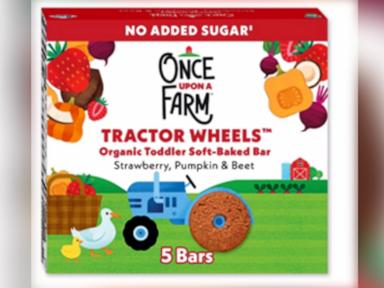
Check your pantry right now. If you buy organic snacks for toddlers, there's a solid chance you have a box of Once Upon a Farm soft-baked bars sitting on your shelf. The company just issued a voluntary recall for specific batches of their popular snack bars due to a potential choking hazard, and parents are scrambling to figure out if their boxes are safe.
It's scary. Whenever you hear the words "choking hazard" next to a product marketed directly to young kids, your stomach drops. Honestly, Once Upon a Farm built its entire brand—co-founded by Jennifer Garner—on clean, trustworthy ingredients and high safety standards. That makes a recall like this sting even more for loyal buyers.
Let's skip the corporate fluff and look directly at what happened, which specific products you need to toss, and how to handle food recalls without losing your mind.
Why Once Upon a Farm Recalled Their Soft-Baked Bars
Food recalls rarely happen because a brand suddenly stopped caring about safety. Usually, it comes down to a specific manufacturing hiccup or a single compromised ingredient from a third-party supplier. In the case of the Once Upon a Farm soft-baked bars voluntary recall, the issue centers on a potential choking hazard discovered within specific production runs.
When companies produce soft-baked goods using whole ingredients like oats, dates, and dried fruits, texture consistency is everything. If a piece of an ingredient doesn't get milled properly, or if a foreign object or hardened clump makes it through the sorting line, that soft bar suddenly becomes dangerous for a toddler who's still learning how to chew thoroughly.
The U.S. Food and Drug Administration (FDA) monitors these voluntary recalls closely. Under federal guidelines, a Class I or Class II recall is triggered when a product poses a reasonable probability of adverse health consequences. Choking risks in toddler foods always get treated with extreme urgency because young children have narrow airways and an immature gag reflex.
You don't need to panic if you already fed these bars to your kid yesterday and they're fine. Choking is an immediate mechanical hazard, not a delayed chemical toxin or bacterial infection like Salmonella or Listeria. If your child ate a bar without incident, the danger from that specific bar has passed.
How to Check Your Boxes Right Now
Don't just throw away every Once Upon a Farm product in your fridge or pantry. The brand's cold-pressed pouches, smoothies, and frozen meals aren't part of this issue. This recall strictly targets specific batches of their shelf-stable soft-baked bars.
Grab the box from your cabinet and flip it over. You're looking for two distinct pieces of information printed directly on the packaging—usually near the top flap or right next to the nutrition label.
- The Flavor and Product Name: Verify that you're holding the Soft-Baked Bars, not their Refrigerated Oat Bars. The packaging looks somewhat similar if you're rushing through a grocery aisle, so read the front label carefully.
- The Lot Code and Best-By Date: Manufacturers track every single batch using alphanumeric lot codes. Compare the exact string of letters and numbers on your box against the official recall notice on the FDA database or the Once Upon a Farm website.
- Individual Wrappers: If you already tossed the cardboard box to save pantry space—which almost every parent does—check the individual foil wrappers inside. The lot code is stamped onto the crimped edge of each bar wrapper, though it can be tiny and frustrating to read under dim kitchen lighting.
If the lot code matches the recall list, stop serving them immediately. Don't try to break the bars into smaller pieces thinking you can outsmart the hazard. If there's an unmilled hard piece or foreign material inside, crumbling it up won't make it safe for a two-year-old.
The Bigger Problem With Toddler Snack Bars
This recall highlights a frustration I've had with the toddler snack industry for years. Walk down any baby aisle today and you'll see dozens of "soft-baked" bars marketed to kids as young as 12 months old.
Here's the reality. Many toddlers aren't actually ready for dense, chewy oat bars until they have their first molars—which usually happens between 13 and 19 months. Even then, kids get distracted. They walk around while eating, they laugh, they stuff half a bar into their mouths at once.
The American Academy of Pediatrics (AAP) routinely warns parents about foods that pose high choking risks for children under four. While hot dogs, whole grapes, and nuts get all the headlines, sticky or dense baked goods can also clump together in a child's throat if they don't have enough saliva or chewing stamina to break them down.
Manufacturers try to engineer these bars to dissolve easily, using fruit purees and specific oat flours to keep them tender. When everything goes right in the factory, the texture works great. When a batch goes slightly wrong—or an ingredient arrives drier or harder than expected—the margin for error disappears completely.
What You Should Do If You Bought Affected Bars
First, don't just quietly throw the box in the trash and eat the financial loss. Organic toddler snacks are expensive, often running five to seven dollars for a small box of five bars. You deserve your money back, and reporting your batch helps the company track where the affected inventory ended up.
Take a clear photo of the box showing the UPC barcode and the stamped lot code before you dispose of it. Most major retailers—including Target, Walmart, and Whole Foods—will issue a full refund at the customer service desk even without a paper receipt if a product is under an active FDA recall.
You can also reach out directly to Once Upon a Farm's customer support team. Companies handling voluntary recalls typically offer direct refunds or replacement vouchers once you provide the lot number from your package.
If your child actually experienced a choking incident or you found something hard inside one of the bars, report it to the FDA's MedWatch or Safety Reporting Portal. Federal regulators rely heavily on consumer reports to determine whether a voluntary recall needs to be expanded to additional lot numbers or manufacturing facilities.
How to Spot Recall Notices Before They Hit the News
Relying on social media algorithms to tell you when your kid's food gets recalled is a terrible strategy. By the time a recall goes viral on Instagram or TikTok, the box has usually been sitting in your pantry for three weeks.
Set up a better system today. Go to recalls.gov or sign up directly for the FDA's email alerts for food and beverage recalls. The emails aren't spammy—they just send plain-text alerts whenever a manufacturer pulls a product off shelves.
If you use loyalty apps at grocery stores like Kroger, Target, or Walmart, make sure your push notifications are turned on for order updates. Major chains now cross-reference purchase histories against recall databases and will occasionally send automated alerts if your loyalty account bought an affected UPC.
Go check your pantry shelves right now, verify those lot codes on the wrappers, and get your refund if your batch is on the list.