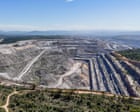
The New South Wales Independent Planning Commission just greenlit the largest coal mining project in the state's history. The Hunter Valley Operations continuation project received approval despite fierce opposition from environmental groups, climate scientists, and the state's own Net Zero Commission. Critics have slammed the decision as an infamous betrayal of future climate commitments, locking in millions of tonnes of greenhouse gas emissions for decades.
When regulators weigh short-term economic gains against long-term planetary survival, coal usually wins. But this specific decision lays bare the structural flaws in how modern governments handle environmental oversight.
The Scope of the Hunter Valley Decision
The approved extension allows mining operations to run at the Hunter Valley site until 2045. Proponents of the project lean heavily on familiar economic arguments. They point to roughly 1,500 jobs and decades of established infrastructure in a region built around fossil fuels.
The planning commission explicitly stated that the economic benefits of the project would outweigh its projected climate change impacts. That logic sparks immediate outrage among climate advocates. Dismissing cumulative carbon output because a local economy depends on extraction creates a dangerous loophole. Every major fossil fuel expansion can claim local economic benefits while offloading global atmospheric costs onto everyone else.
The Clash Between Regulators and Climate Science
What makes this approval particularly jarring is the internal friction within state bodies. The New South Wales Net Zero Commission explicitly warned the planning commission that greenlighting the project would directly undermine the state's future emission reduction targets.
When an independent advisory body warns that a project jeopardizes climate goals, and the planning panel approves it anyway, the system's credibility fractures. It exposes a profound disconnect between written climate laws and practical administrative decisions. Governments want to claim they are transitioning to green energy while simultaneously signing off on massive carbon bombs. You cannot have it both ways.
Economic Realities Versus Managed Transition
Supporters of the continuation project argue that shutting down the mine abruptly would devastate local workers and suppliers. That argument carries weight. Ignoring the livelihoods of working-class communities is a recipe for social and political backlash.
Yet, framing this as a binary choice between jobs and climate survival is a false dilemma. Communities in the Hunter Valley need structural support, financial backing, and deliberate economic diversification to transition away from coal. Punting that transition down the road to 2045 doesn't solve the problem. It merely delays an inevitable reckoning while pumping more carbon into an already overloaded atmosphere.
Legal challenges are expected, and political pressure on the state government will only intensify. As long as planning authorities prioritize short-term extraction over scientific warnings, battles over fossil fuel expansions will continue to dominate the courts and the streets.