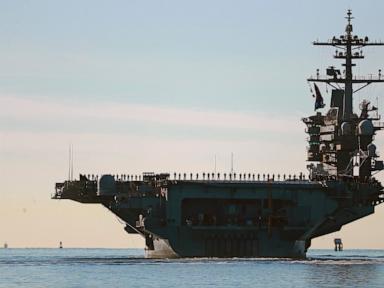
Long deployments break ships and people. Right now, the USS Abraham Lincoln is proving that harsh reality in the Arabian Sea.
Admiral Brad Cooper just wrapped up a ten-day tour across the Middle East, stopping to walk the flight deck of the Lincoln. Headlines love to frame these visits as routine command morale boosts. They aren't. They happen when pressure reaches a boiling point. The Lincoln has shattered records with an uninterrupted stretch at sea lasting well past 240 days. That is not normal. Sailors and Marines aboard are paying the price for high-stakes maritime blockades and ongoing regional conflict.
Behind the Shield of the Carrier Strike Group
You rarely hear about the operational exhaustion behind power projection. When a nuclear-powered carrier stays locked in a theater for nearly nine months, the logistics chain frays. Supply shortages mount. Mental health strains become impossible to ignore.
While leadership calls the mission consequential, families back home and lawmakers on Capitol Hill are sounding alarms over mounting fatigue and safety incidents. A sailor went overboard last month before being rescued. Incidents like that don't happen in a vacuum. They happen when exhaustion takes over. Yet, political figures downplay the strain, arguing that endurance is part of the uniform.
Shifting Tides Across the Region
Cooper's tour didn't stop at the carrier. He hit Bahrain, Iraq, Israel, Jordan, Saudi Arabia, and the United Arab Emirates. That travel footprint mirrors the sheer scale of the military footprint tied to the ongoing standoff with Iran.
Back on land, the ripple effects of these operations are shifting political calculations. In southern Lebanon, Israeli strikes recently targeted senior Hezbollah commanders, killing over a dozen people in some of the deadliest attacks since the summer truce framework went into effect. The fragile agreements stitched together by mediators are wobbling. Hezbollah refuses direct talks, and regional proxies keep the pressure turned up high.
Meanwhile, backchannel discussions with Oman over control of the Strait of Hormuz remain frozen. The U.S. Navy's blockade of Iranian ports keeps oil transit routes locked in a tense chokehold.
Keep your eyes on the rotation schedules. Until fresh hulls replace the weary crews currently holding the line, high-intensity naval operations will continue to test the breaking point of American service members.