The release of key figures from India's grassroots Cockroach Janta Party from detention marks a dangerous escalation in an ongoing collision between an entrenched state apparatus and a frustrated generation. When Saurav Das and Ashutosh Ranka walked out of custody following a week behind bars under heavy police pressure, they did not inherit quiet streets. They stepped back into a high-stakes standoff over the mechanics of Indian democracy itself.
What began as a satirical student uprising against systemic exam corruption has transformed into an organized political challenge targeting Prime Minister Narendra Modi’s administration. The state’s knee-jerk reaction of mass arrests, intimidation, and stringent bail conditions reveals a deeper anxiety within the ruling establishment. Prime Minister Modi’s government faces a demographic that refuses to remain invisible, weaponizing irony and digital-age resilience against a political machine that relies on absolute conformity. Meanwhile, you can read related events here: The Breath Before The Word.
The Anatomy of a Grassroots Insurgency
To understand why the release of these organizers matters, one must look past the superficial framing of routine law enforcement. The Cockroach Janta Party—deliberately adopting an insectoid moniker to signify survival, ubiquity, and an ability to withstand institutional foot-stomping—emerged from the wreckage of broken economic promises. Youth unemployment in India hovers at staggering heights, leaving tens of millions of graduates structurally locked out of formal economic life.
When high-stakes national exams leaked repeatedly, ruining careers and draining family savings spent on elite coaching centers, the anger found a focal point. The movement’s initial summer victory forced the resignation of the federal education minister, proving that disciplined street agitation could punch clean through the armor of an otherwise invincible cabinet. To understand the bigger picture, check out the detailed report by The Washington Post.
That victory changed calculations. It taught young organizers that decentralized networks could outmaneuver rigid party hierarchies. They did not need a traditional high command or permanent office space; they needed encrypted messaging apps, shared grievances, and an unyielding physical presence in public squares like Delhi's Jantar Mantar.
From Examination Halls to Electoral Rolls
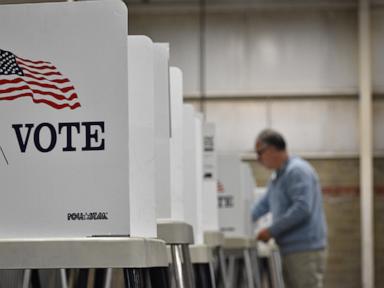
Having rattled the education establishment, the movement widened its aperture to confront the Election Commission of India. At the heart of the current confrontations lies a massive, contentious revision of national voter rolls.
The state defends the purge of over 130 million names as a bureaucratic cleanup targeting duplicate, deceased, and ineligible entries. Critics, opposition figures, and the Cockroach network see a partisan engineering effort designed to quietly disenfranchise urban working classes, minorities, and young voters critical of the ruling Bharatiya Janata Party. In cities like Delhi, the rolling revisions stripped millions from active registration lists.
This is where the struggle transcends street theater. Controlling who gets to vote in the world's largest democracy is the ultimate safeguard for a ruling party facing economic headwinds. By demanding the removal of the Chief Election Commissioner and a full halt to the voter roll rechecks, the movement touched a raw nerve. This is not merely about an administrative error; it is about the structural integrity of the franchise.
The Strategy of Attrition and State Response
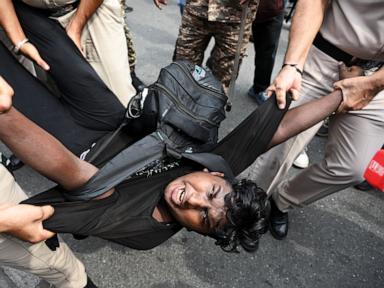
The state's response to this electoral challenge has relied on judicial harassment and preventative detention. Organizers are routinely rounded up ahead of major demonstrations, held under restrictive peace bonds, and saddled with criminal charges designed to drain their resources and exhaust their spirits.
Yet, this heavy-handed containment strategy carries diminishing returns. Arresting leaders like Das, Ranka, or high-profile digital commentators only amplifies their platform, turning local disputes into national rallying cries. When courts order their release—often burdened with legal undertakings to maintain public peace—the activists return immediately to the public square, arguing that constitutional dissent is not a breach of peace, but its highest expression.
The friction points are spreading far beyond the capital. Sympathy marches and autonomous chapters have surfaced in southern trade hubs like Kochi, signaling that the resistance is no longer easily sealed off as a regional nuisance. The government's reliance on police barricades, mobile internet shutdowns, and midnight raids exposes the fragility of a system that views civic participation as a security threat.
As the deadlines for electoral roll objections loom, the standoff enters a volatile new phase. The administration can deploy batons and court summons, but it cannot legislate away the millions of young citizens who have decided that being treated like pests is preferable to remaining silent. The cockroaches are out of the walls, and no amount of fumigation is going to put them back