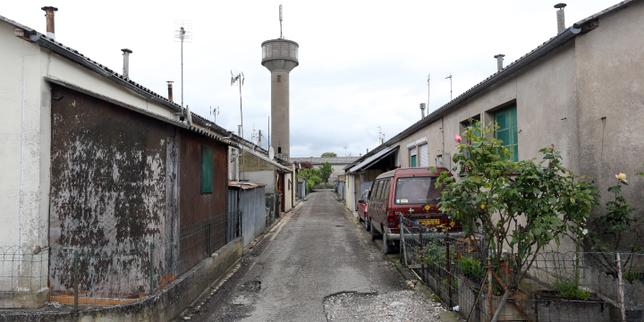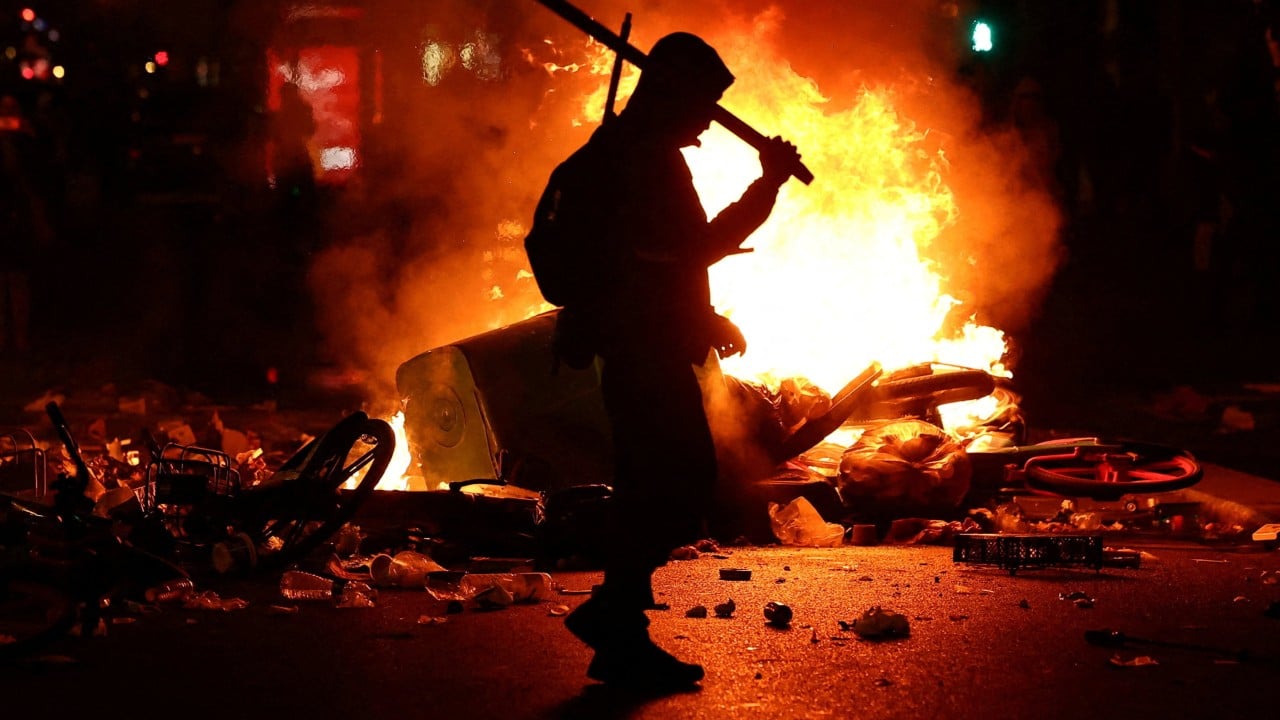
Waves of protests and riots are sweeping across Europe in late 2026 because years of cumulative price spikes, housing shortages, underfunded schools, and heavy public debt have collided with political systems that no longer feel responsive to ordinary workers. From high school blockades and clashes in France to encampments in Madrid and Lisbon and fierce anti-government demonstrations in Tirana, streets across the continent have become the pressure valve for a social model buckling under financial strain.
Anyone who has covered European politics and markets long enough recognizes the pattern, yet this wave carries a sharper edge. Earlier protest cycles often centered on a single policy shock—a fuel tax hike, a pension bill, or a contested election. What is unfolding from Paris to Tirana is messier and more structural. Households are absorbing years of higher costs for shelter, food, and energy even when headline inflation cools, while governments caught between deficits, defense spending, and political gridlock struggle to deliver visible relief.
Why the Anger Looks Local Yet Moves as a Continent
At first glance, the grievances look distinctly national. In France, high school students protesting understaffed, dilapidated schools collided with broader labor and cost-of-living anger, sparking clashes, thousands of arrests, and severe damage in cities including Paris, Lyon, Marseille, Bordeaux, and Limoges. In Spain and Portugal, tent camps and street rallies have focused on rents and home prices that have detached from local wages, pushing political pressure right up to election tables and general strikes. Farther south in Albania, protests in Tirana—building on months of anger over alleged corruption, high-profile luxury development disputes, and university conditions—turned into heated confrontations with riot police.
Look closer, though, and the same math repeats in different currencies. When rent consumes most of a young service worker's paycheck in Madrid or Lisbon, or when university funding and school upkeep squeeze families in Western and Southeastern Europe alike, the issue stops being a mere municipal headache. It becomes a question of whether work still buys basic stability.
Consider a hypothetical example to see how slow-burn math turns into street anger. Suppose a 24-year-old warehouse or hospitality worker in a mid-sized European city earns roughly €1,400 a month after taxes and pays €950 for a modest shared apartment and utilities. Even if inflation slows from 8 percent to 2.5 percent, the baseline cost of that room, groceries, and bus fare stays locked in at a much higher plateau than five years ago. One unexpected dental bill or transit fare increase wipes out the entire monthly cushion, turning routine frustration into fury when politicians talk about fiscal discipline.
The Fiscal Trap Behind Shrinking Public Promises
For decades, the unspoken bargain across much of Europe traded higher taxes and tighter regulation for predictable public services, subsidized education, and a cushion against hard times. That bargain is running out of room. Heavy sovereign debt loads, sluggish growth, and rising defense commitments leave finance ministries with far less fiscal elbow room than they had during past downturns.
When Budgets Squeeze Schools and Streets
Education and housing sit right on the fault line of that budget squeeze. Students and teachers in countries such as France, Belgium, Austria, and Spain have mobilized over school conditions, pay, and university resources—places where budget cuts are felt immediately in crowded classrooms, delayed repairs, and higher out-of-pocket costs.
A government that cannot build affordable homes or keep neighborhood schools well-equipped loses moral authority long before it runs out of votes.
Housing is even harder to fix quickly because building takes years while rents move every lease cycle. In markets shaped by short-term rentals, foreign or institutional buyers, and slow permitting, young adults are locked out of independence well into their late twenties and thirties. Anger over housing is rarely just about square footage; it is about delayed adulthood and resentment toward insiders who bought decades ago.
Corruption and State Capture in Tirana
In Tirana, the economic strain mixes with a grievance that hits even harder in younger democracies: the perception that rules bend for insiders. Demonstrations in Albania have drawn oxygen from anger over alleged graft, favored public contracts, disputes over high-end coastal and island projects, and frustration among students and citizens who feel locked out of fair opportunity.
When people suspect that public wealth is being funneled toward connected developers or political circles while public services lag, protests escalate faster. Trust is the real currency of governing. Once citizens believe the system is rigged—whether through backroom deals in Tirana or stalled housing and tax reforms in Western capitals—even moderate policy missteps can ignite the street.
The Counter-Argument Nobody in the Crowd Likes to Hear
It is tempting to paint every protester as a victim of bad policy and every rioter as a symbol of systemic collapse. Both halves of that caricature miss reality.
First, not every demonstration is a broad popular uprising. In cities like Paris and Brussels, peaceful marches over living costs or education have repeatedly been shadowed by smaller groups of masked agitators, vandals, and looters who burn property, smash storefronts, and force police into heavy-handed crowd control. Shopkeepers shuttering doors, transit riders stranded by blockades, and injured officers are real casualties too, and their anger toward disorder is genuine.
Second, governments face real constraints that slogans ignore. A finance minister in Paris, Rome, or Madrid cannot simply print purchasing power without risking bond-market pushback, higher borrowing costs, or deeper deficits. Rent caps without new housing supply can freeze construction or shrink available rentals, while across-the-board subsidies often leak to households that do not need them.
Acknowledging those trade-offs does not excuse government inertia or corruption. It simply explains why easy answers keep failing once they meet a balance sheet.
What Markets and Policymakers Keep Missing
Investors and analysts often treat street unrest as background noise until a factory stops, a port or rail line stalls, or a bond spread widens. That misses how protests and riots reshape politics months before they hit quarterly earnings. Repeated weekend disruptions hurt retail, hospitality, and tourism, while prolonged labor walkouts and strikes test coalition governments already hanging by a thread.
| Pressure Point | What Happens on the Street | What Leaders Try to Do | Why Friction Persists |
|---|---|---|---|
| Housing & Rents | Square occupations, tent camps, and tenant marches | Pledge new units, tighten rules, or float emergency bills | Construction lags demand and rents stay high |
| Schools & Universities | Student blockades, campus rallies, and teacher walkouts | Promise targeted funding or negotiate with unions | Years of deferred maintenance take time to reverse |
| Living Costs & Wages | Union strikes, weekend marches, and occasional riots | Offer temporary relief or debate budget adjustments | Past price jumps stay sticky while debt limits spending |
| Governance & Graft | Clashes near ministries, parliament, and public squares | Condemn violence, pledge reforms, or call early votes | Deep distrust makes official assurances hard to believe |
Notice the gap between announcements and lived experience. A government can announce a housing target or a budget tweak in a press conference, yet a family paying steep rent this month feels zero relief today. Politicians measure progress in legislative bills; voters and protesters measure it at the grocery checkout, the rent portal, and the local school gate.
Generation Z and the Politics of Impatience
Younger Europeans sit at the center of much of this turbulence for a straightforward reason: they have the fewest buffers and the longest horizon to lose. Many came of age amid pandemic disruptions, inflation spikes, and fierce housing competition, entering adulthood with high costs and shaky confidence that institutions will fix tomorrow.
Older generations often waited patiently for gradual reform because they saw wages, homeownership, and public pensions steadily advance over their working lives. Younger cohorts watching prices outpace entry-level pay see no reason to wait quietly while their prime years slip by. That impatience makes movements flare quickly, organize fast across social feeds, and lose faith in traditional party promises just as fast.
Watch where the pressure goes next: countries that pair visible, fast-moving relief on everyday bottlenecks—like housing supply, transit, and school conditions—with credible anti-corruption enforcement will contain the anger, while governments that offer only speeches and austerity will keep meeting their citizens on the barricades.