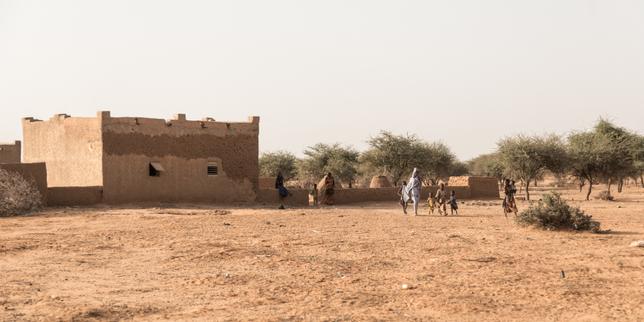
Violence in the Sahel rarely stops making headlines, yet the sheer scale of recent tragedies often gets buried under political noise. More than forty civilians lost their lives in a brutal wave of attacks across remote campements in the Ménaka region of northeastern Mali. Armed men sweeping through on motorcycles left behind a devastating toll, exposing the fragile reality of local security frameworks that struggle to protect vulnerable populations far from urban centers.
Local sources and security officials confirmed that the bloodshed unfolded following intense tactical maneuvers and localized skirmishes. For anyone tracking the conflict dynamics in Mali, this pattern isn't new. It is a grim reminder of how retaliatory cycles crush civilian communities caught in the crossfire between organized militant factions and regional defense groups like the MSA (Mouvement pour le Salut de l'Azawad).
Understanding the Roots of the Ménaka Crisis
Why does Ménaka remain such a volatile flashpoint? Geography plays a massive role. Vast desert expanses, porous borders, and sparse state presence make it nearly impossible for conventional forces to secure every nomadic settlement.
When military operations target entrenched extremist positions, armed groups frequently pivot their aggression toward soft targets. Nomadic campements and isolated hamlets bear the brunt of these retaliatory waves. It is a textbook asymmetric strategy: inflict maximum psychological and physical trauma on local populations to punish perceived collaboration or dissent.
The attacks in Ménaka weren't isolated incidents. They followed closely on the heels of military operations and dynamic ground shifts involving local self-defense movements. When security forces strike a blow against militant strongholds, the immediate aftermath often triggers a vacuum filled by opportunistic violence against unarmed locals.
The Human Toll Behind the Statistics
Numbers on a screen lose their weight until you picture what a motorcycle raid on a desert campement actually looks like. Families sleeping in temporary shelters wake up to sudden chaos. Essential infrastructure gets shattered, livestock gets scattered or stolen, and survivors are forced to flee into an unforgiving landscape with zero immediate humanitarian relief.
Humanitarian access in northeastern Mali is severely restricted. Aid organizations face immense hurdles trying to reach displaced populations scattered across the Liptako-Gourma tri-border area. Without reliable corridors for food, medicine, and shelter, survival becomes a daily gamble for thousands of displaced nomads and villagers.
Local leadership feels the pressure too. During the raids in Ménaka, even the residence of prominent local figures like Moussa Ag Acharatoumane was targeted, highlighting how deeply personal and targeted these power struggles have become. Yet, while high-profile targets survive or relocate, ordinary shepherds, traders, and families pay the ultimate price.
Moving Beyond Temporary Security Fixes
You can't bomb your way out of a localized structural crisis. Military sweeps provide temporary relief, but long-term stability requires community-level intelligence, genuine social cohesion, and trusted local policing that doesn't alienate civilian populations.
If regional authorities want to stop the bleeding in Ménaka, they have to prioritize community defense integration and rapid-response humanitarian networks. Protecting remote campements means establishing early warning systems and maintaining a reliable, mobile military footprint rather than reacting after the damage is done.
The ongoing tragedy in northeastern Mali demands more than temporary outrage. It requires a fundamental shift in how security forces protect isolated civilians before the next retaliatory wave hits.