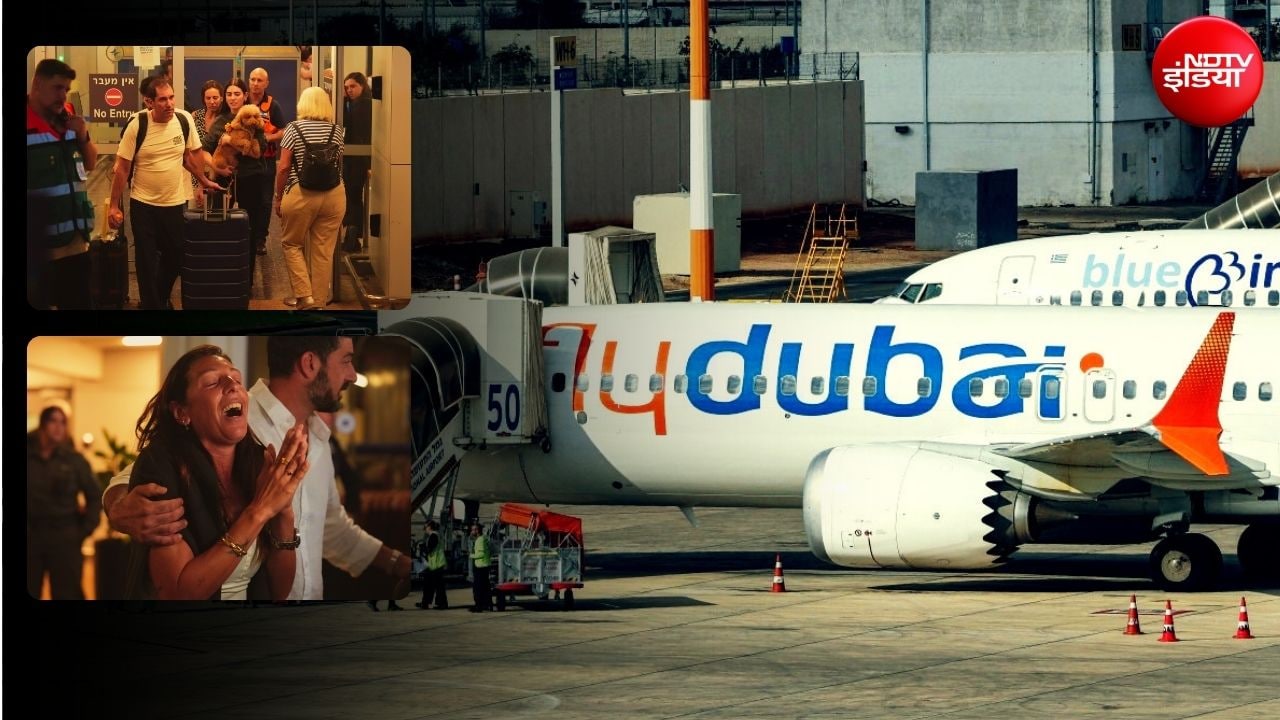
Commercial aviation operates on an unspoken social contract. Passengers board aircraft assuming that the heavy steel door separating the cabin from the flight deck acts as an absolute barrier against malice, mental collapse, or extremist infiltration. When Flydubai Flight 1073 plummeted over Saudi airspace on September 30, 2026, that contract shattered. What began as a routine three-hour hop from Dubai International Airport to Ben Gurion Airport near Tel Aviv quickly mutated into a chilling reminder that the greatest vulnerability in modern flight design sits inside the flight deck itself.
The bare facts of the incident are horrifying. According to investigations by Emirati and Israeli authorities, the first officer launched a sudden, violent assault on the captain using a cockpit crash axe. With the captain seriously wounded, the co-pilot pitched the Boeing 737 MAX 8 into a severe, rapid descent. Telemetry data showed the aircraft plunging from cruising altitude toward the ground at breakneck speed, inducing extreme G-forces and tearing away a major portion of the plane's vertical rudder due to overspeed structural stress. Only a desperate counter-offensive by the wounded captain—who managed to open the door—alongside heroic intervention by passengers and off-duty deadheading pilots on board, prevented a catastrophic nose-dive into Israeli territory. The subsequent emergency diversion to Tabuk, Saudi Arabia, and the eventual return of the traumatized passengers via rescue flights back to Tel Aviv marked the end of the immediate crisis, but opened a Pandora's box for regional aviation security. Recently making waves lately: The Long Way Down From Thirty Thousand Feet.
Decades of aviation hardening focused entirely on keeping threats out. Ever since the architectural transformations prompted by the events of September 11, 2001, civil aviation authorities across the globe mandated fortified, bulletproof cockpit doors with heavy locking mechanisms. The design logic was straightforward: seal the flight deck from external hijackers at all costs. Yet, this rigid engineering created an unintended blind spot. By locking the world out, the industry inadvertently created an isolated fortress where internal actors possessed unchecked autonomy.
Insider threats in commercial aviation have historically been treated as statistical anomalies, relegated to rare, tragic anomalies like the 2015 Germanwings crash. Background checks, psychological evaluations, and routine medical clearances form the baseline of pilot vetting. However, the infiltration of ideological radicalization into modern flight decks demands a fundamental overhaul of these screening protocols. Investigators examining the digital footprint of the Flydubai first officer discovered disturbing extremist imagery and rhetoric tied to historical terrorist figures. This revelation shifts the threat matrix. A terrorist does not need to smuggle a box-cutter through airport security if they manage to secure an airline uniform and an official seat at the controls. More insights into this topic are covered by The Points Guy.
The geopolitical fallout was swift. Flydubai immediately suspended its lucrative route between Dubai and Tel Aviv, a corridor that had symbolized the burgeoning normalization of ties under the Abraham Accords. Weeks stretched into months as security bureaucracies in both Jerusalem and Dubai locked horns over new protocols. Israeli aviation authorities, gripped by heightened threat perceptions, refused to greenlight the resumption of carrier operations without unprecedented verification steps. High-level delegations shuttled between capitals, attempting to balance economic necessity against sovereign security fears.
Meanwhile, rival carriers like Etihad Airways continued operating flights via alternative pathways, highlighting the fragmented nature of regional air safety enforcement. Every airline operating in the Middle East and beyond is now forced to re-evaluate how they monitor cockpit crews during long-haul and regional segments. Proposals for mandatory multi-occupancy flight decks—requiring a cabin crew member to step inside whenever one pilot leaves—are facing renewed scrutiny, alongside discussions about real-time biometric and behavioral monitoring systems.
The physical repairs to the damaged Boeing 737 MAX 8 can be scheduled, and commercial flights will eventually resume once diplomatic and security pressures yield an agreement. But the psychological scar left on international travel is permanent. Passengers stepping onto regional jets across the globe now look toward the front of the cabin with renewed apprehension, acutely aware that the thick metal door does not guarantee safety if the danger originates from within. The industry must move past routine compliance checklists and confront the uncomfortable reality that psychological screening and insider threat mitigation require the same rigorous urgency once reserved for airport metal detectors.