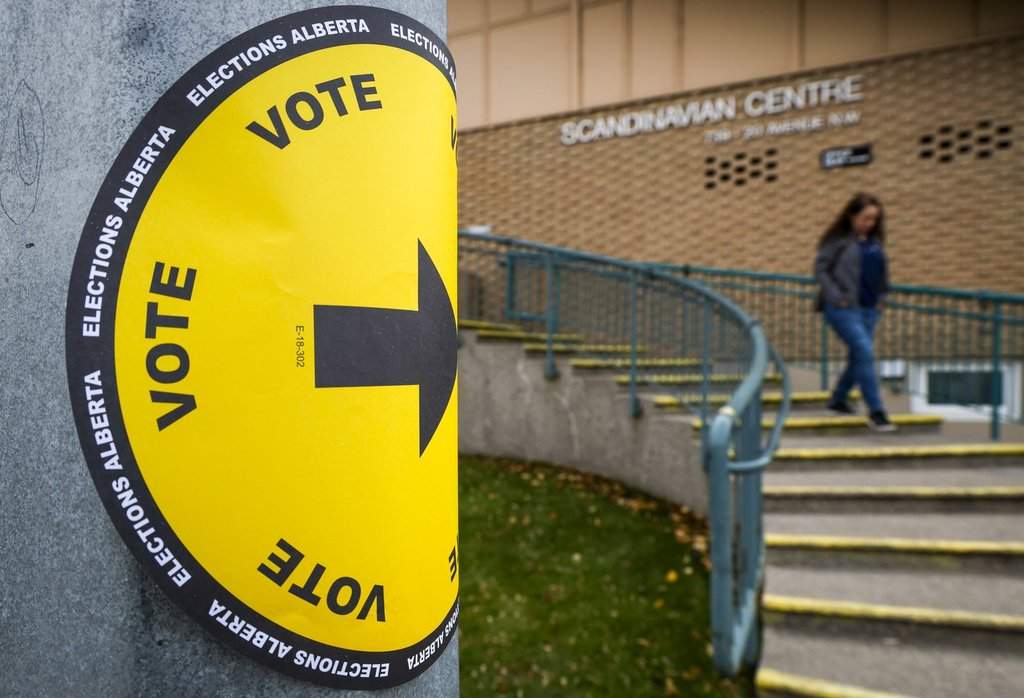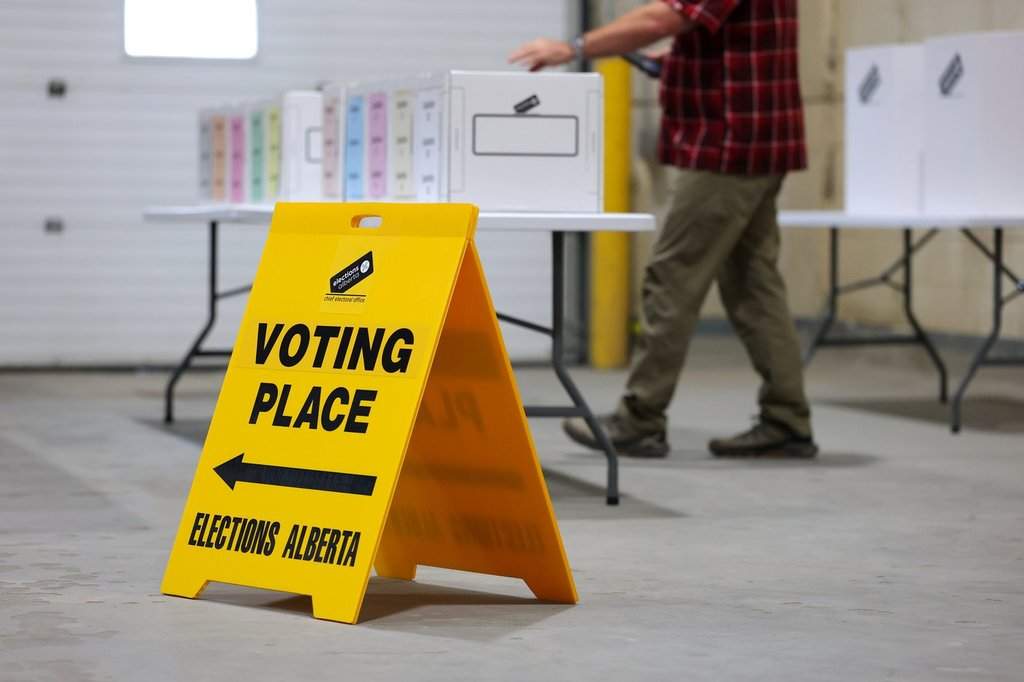
When thousands of voters flooded polling stations across Alberta during the recent provincial referendum, election officials quickly pointed to a positive indicator: high civic participation. Yet behind the official statements praising voter enthusiasm lay a structural failure that disproportionately affected First Nations communities. Across multiple reserves, polling locations ran entirely out of physical ballots, forcing citizens to wait hours in line or face systemic barriers just to make their voices heard on foundational treaty rights.
Elections Alberta later defended the logistical breakdowns by explaining that distribution models relied heavily on historical voting trends rather than proactive community consultation. That administrative oversight missed a crucial reality. First Nations leaders had actively mobilized their members to protect sacred agreements with the Crown, resulting in unprecedented turnout rates that standard predictive formulas simply failed to anticipate.
When historical models are built on chronically low participation rates caused by generational disenfranchisement, a sudden surge in civic engagement breaks the system.
Chief Samuel Crowfoot of the Siksika Nation publicly demanded a formal explanation after his community's polling stations suffered multi-hour delays and critical paper shortages. Other communities, including the Kainai Nation, Samson Cree Nation, Louis Bull Tribe, and Ermineskin Cree Nation, similarly required emergency mid-day ballot drops.
These were not minor administrative hiccups. When a rural or remote polling station runs dry of paper, the friction of democracy increases exponentially. A voter with a rigid work schedule, limited transportation, or caregiving responsibilities cannot simply afford to wait two and a half hours for a courier to deliver more supplies. For many, that delay represents an effective denial of franchise, regardless of whether the doors technically remained open later into the night.
The broader political context reveals why the stakes were high enough to drive voters to the polls in droves. The referendum centered on contentious proposals regarding provincial sovereignty and the future of federal relations—issues that strike directly at the heart of Indigenous sovereignty and constitutional treaties. Academic analysis of regional returns showed staggering figures, with some southern First Nations recording overwhelming majorities opting to remain within the existing national framework to safeguard their legal standing.
Yet the mechanics of administering a province-wide vote exposed a persistent blind spot in electoral logistics. Planners treated Indigenous communities as an afterthought in distribution algorithms, assuming historical apathy would repeat itself. When communities shattered those outdated assumptions through sheer mobilization, the administrative apparatus fractured.
Elections officials noted that thousands of workers were deployed across more than a thousand stations, framing the event as a massive operational undertaking. Scale, however, does not excuse equity gaps. If urban centers maintained adequate reserves of paper while rural reserves faced acute shortages, the allocation strategy demands a rigorous, independent audit.
Accountability requires more than a polite acknowledgment of patience from provincial spokespeople. It requires rewriting the math of electoral logistics to respect community-specific dynamics rather than relying on lazy statistical averages.
Democracy functions only when the machinery of the state matches the commitment of its electorate. When voters clear every barrier placed before them, only to be stopped by empty cardboard boxes, the failure rests squarely on the planners.