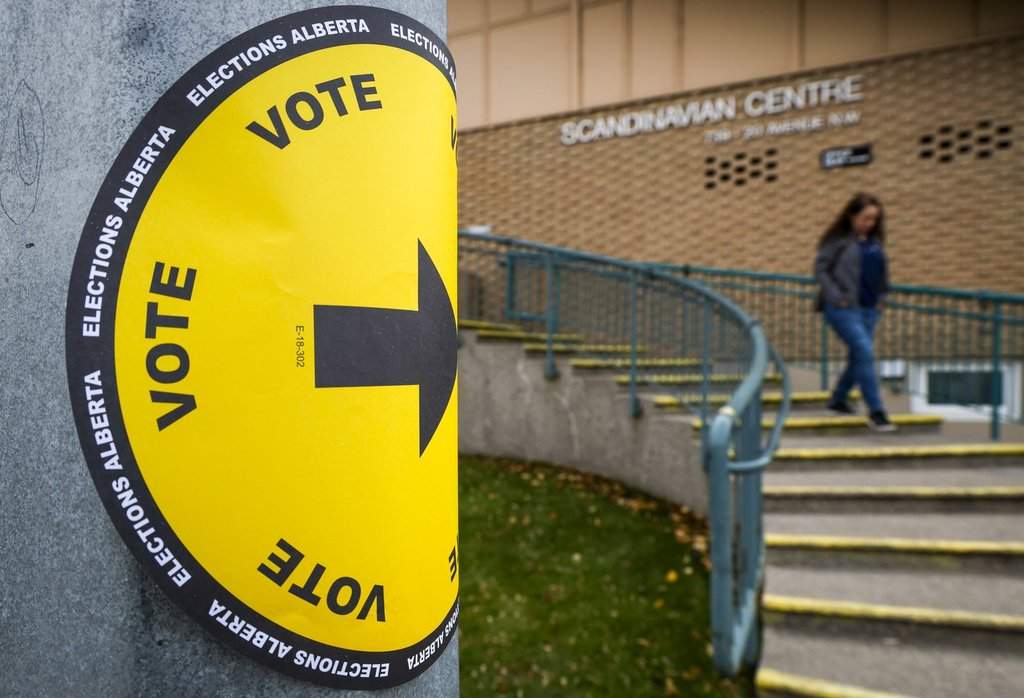
The coffee in the diner was lukewarm, tasting faintly of burnt beans and the kind of quiet desperation that settles over a prairie town when the price of oil dips below the threshold of comfort. Outside, the Alberta wind had teeth, howling down the flat stretches of asphalt and rattling the metal siding of grain elevators.
Inside, Mark wiped down the counter with a rag that had seen better decades. He wasn't thinking about grand geopolitical shifts or constitutional reform. He was thinking about his property tax bill, the cost of diesel for his truck, and whether his daughter would stay in the province after graduation or pack her bags for Toronto.
Yet, on this particular morning, Mark and millions like him had just participated in a strange kind of collective venting. Weeks earlier, the airwaves and kitchen tables had thrummed with a singular, heavy question: Should Alberta sever its ties with the rest of Canada?
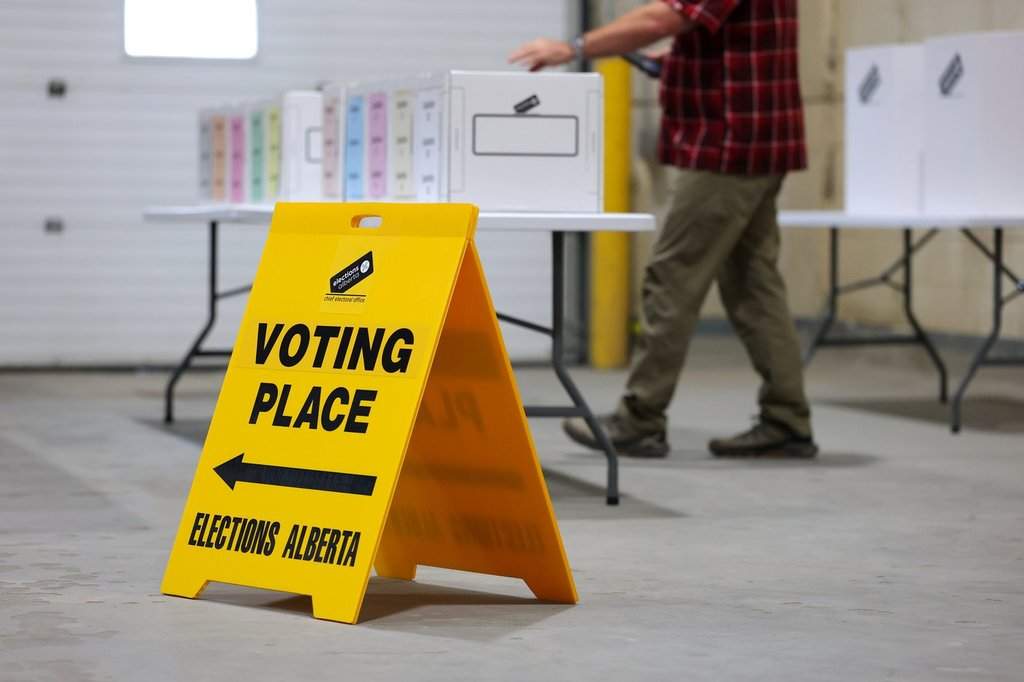
The answer, delivered through millions of marked slips of paper, was a definitive no. Separation was rejected. The federation would hold. The map would remain unchanged.
But democracy rarely stops moving just because one dramatic door is slammed shut. Beneath the surface of that high-stakes referendum lay a shadow cast of smaller, quirkier, and deeply revealing questions. These were the queries tacked onto the ballot like footnotes on a legal brief, asking citizens to weigh in on equalization payments, the adoption of a provincial police force, and the idea of daylight saving time year-round.
When the dust settled, the public reaction to these secondary questions was not a roar, but a complicated, fractured shrug.
Consider what happens next when a population says no to the ultimate rupture, but remains intensely, stubbornly dissatisfied with the day-to-day arrangement.
To understand this mood, you have to step away from the polished glass towers of downtown Calgary and into the community halls where local politics breathes. Albertans have long possessed a distinct psychological fingerprint. It is a mix of rugged individualism, frontier pragmatism, and a persistent, nagging sense that the rest of the country views them merely as a giant gas pump rather than a home.
When the main separation question was posed, fear of economic chaos and the sheer logistical nightmare of unravelling decades of federal integration acted as a brake. People pulled back from the precipice. They chose the devil they knew.
Yet, rejecting separation did not mean embracing the status quo.
Take the debate over equalization—the federal formula designed to redistribute wealth among provinces. For years, western politicians have framed it as a rigged game, a wealth transfer that strips pride and capital away from the local economy. When asked whether this system should be scrubbed from the constitution entirely, voters did not lock arms in uniform agreement. Instead, opinions fractured along generational, geographic, and ideological lines.
Some saw the question as a vital leverage tool, a way to rattle cages in Ottawa and demand a fairer hearing. Others viewed it as a distraction, a political prop designed to channel frustration without offering a functional fix. Farmers in the southern irrigation districts worried about losing agricultural safety nets, while oilfield workers in the north felt every dollar sent east was a personal slight.
This mix of opinions is the messy reality of public sentiment. People do not fit neatly into polling categories. A single voter can simultaneously fear the instability of a breakaway state and harbor a deep, burning resentment toward federal bureaucratic overreach.
Then there was the proposition of replacing the Royal Canadian Mounted Police with a provincial police force. On paper, it sounded to some like an assertion of independence, a way to tailor law enforcement to rural realities rather than urban priorities. In practice, local mayors, town councillors, and everyday citizens looked at the projected price tag and the logistical headache of building a police force from scratch, and they balked.
The sentiment shifted rapidly from curiosity to skepticism. Why trade a familiar badge for an expensive unknown? The rejection of radical police restructuring was a masterclass in pragmatic conservatism. Albertans proved willing to complain about federal institutions, but they were equally hesitant to pay for brand-new local ones unless the math made undeniable sense.
Even the question of daylight saving time—seemingly a trivial matter of clocks and sunlight—revealed a populace caught between wanting modern alignment with trading partners and holding onto a stubborn defense of local routines.
Walking through a grocery store in Red Deer or chatting with a mechanic in Lethbridge, you realize that these ballot questions were never really about clocks or police badges. They were pressure release valves. They were symptoms of an underlying friction between a dynamic, fiercely proud regional identity and a centralized national framework that often feels distant, tone-deaf, and indifferent.
When people feel unheard, they latch onto referendums not as precise instruments of policy, but as megaphones. They want Ottawa to listen. They want leaders in Edmonton to notice the strain in their wallets and the wear in their boots.
The danger lies in misreading this complexity. It is easy for commentators in distant media bureaus to look at the rejection of separation and declare that all is well, that the province has simply settled back into its comfortable Canadian routine. That is a profound miscalculation.
The mixed feelings on equalization, policing, and governance are warning lights on the dashboard. They signal an electorate that is deeply engaged, profoundly skeptical, and constantly evaluating its place in the national family. They refused to break the house down, but they are still standing in the kitchen, pointing angrily at the leaking pipes and demanding a better plumbing system.
The coffee cup is empty now. Mark drops the rag into the bucket, looking out the diner window as a pickup truck kicks up a flurry of dry autumn leaves. The wind hasn't let up. The problems haven't vanished. And somewhere out there, in the quiet spaces between the headlines, the real conversation is just beginning.