The boarding gate at John F. Kennedy International Airport smells like stale jet fuel, damp wool, and the faint, unmistakable tang of anxiety. Thousands of travelers pass through these terminals every single day, dragging heavy carry-ons, clutching passports, their minds fixed on the horizon, the reunion, the business meeting, the escape.
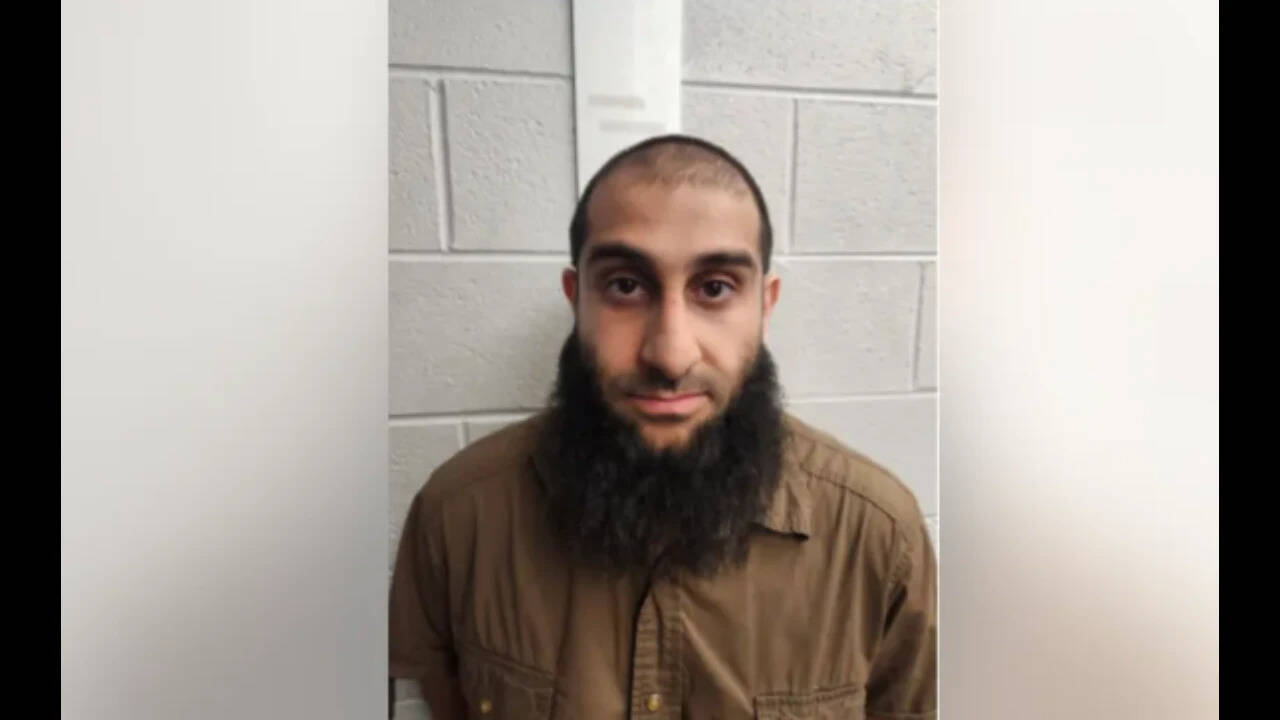
Muzamil Ahmed stood among them.
He was thirty-five years old. He had a ticket in his hand. Destination: Saudi Arabia. To anyone standing in line behind him, he was just another face in the endless migratory churn of modern transit. A man with a destination. A man moving forward.
Then came the heavy hand on the shoulder. Not a whisper, but the definitive, terminal weight of federal law enforcement.
The handcuffs clicked shut against the ambient roar of turbine engines. In an instant, the journey to the Middle East vanished. In its place stood a sprawling, chilling architectural marvel of deception: a quarter-billion-dollar senior gold scam allegedly anchored in the heart of Texas.
Two hundred and fifty million dollars. Let the number sit in the quiet spaces of your mind for a second. It is not merely a sum on a spreadsheet. It is a monument carved out of the life savings of people who trusted too easily, people who checked their retirement accounts every morning with a growing knot in their stomachs, people who thought they were buying security when they were actually buying air.
To understand how a man boards a flight while carrying the invisible gravity of a two-hundred-and-fifty-million-dollar fraud, you have to look past the cold police blotters. You have to look at how we treat the elderly in an age of digital smoke and mirrors.
Consider a hypothetical scenario, though it happens in thousands of living rooms across America every single week. Arthur is seventy-two. He lives alone in a quiet Austin suburb where the lawns are manicured and the mail arrives like clockwork. His wife passed away three years ago. His children live two time zones away, busy with their own frantic lives, calling on Sundays when they remember. Arthur spends his mornings reading the news, watching the markets twitch on cable television, feeling the quiet, creeping terror of irrelevance.
Then, the advertisement flickers across his screen.
It looks respectable. It smells of stability. Gold. Not stocks, which rise and fall like erratic heartbeats. Not paper currency, which governments print into worthlessness. Physical metal. Heavy. Gleaming. Eternal.
When Arthur picks up the phone, he doesn't reach a boiler room of screaming teenagers. He reaches someone smooth, patient, and terrifyingly polite. Someone who listens to him talk about his late wife. Someone who validates his fears about inflation, about the crumbling economy, about the precariousness of his final years. They build a bridge of manufactured trust out of jargon and polished brochures.
Precious metals dealers promise a sanctuary. They tell seniors that the world is collapsing, but that gold is the ark. And all Arthur has to do to secure his twilight years is wire his life savings into an account, swap his paper for shiny bullion, and let the professionals store it safely away in a vault.
Only, the vault is a fiction.
The gold doesn't exist, or if it does, it is being recycled through a dizzying carousel of shell companies, sham invoices, and high-stakes manipulation. The money doesn't buy security. It buys luxury cars, sprawling real estate, and a one-way ticket out of the country.
This is where the operation involving Muzamil Ahmed allegedly found its footing. Federal prosecutors paint a picture of a massive, coordinated enterprise that targeted the most vulnerable demographic with sniper-like precision. They didn't rob banks with shotguns; they stole futures with white collars and whispered promises over telephone lines.
When you steal a quarter of a billion dollars from seniors, you aren't just taking money. You are taking independence. You are taking the ability to pay for overnight in-home nursing care. You are taking the peace of mind that comes with knowing a broken hip won't force a foreclosure. You are buying silence with stolen time.
And for a long time, the machinery of this fraud hummed along in the shadows. The perpetrators sleep in high-rise penthouses, dining on imported truffles, watching their bank accounts bloat with the liquidated dreams of retired schoolteachers and mechanics. They think they are invincible. They think that as long as they hide behind enough corporate layers, enough offshore accounts, and enough polite customer service representatives, the law will never catch up.
Until the gate closes. Until the federal agents step out of the crowd at JFK.
The arrest of Muzamil Ahmed is a punctuation mark, but it is not the whole sentence. It tells us something dark about the underbelly of modern commerce, where white-collar crime is often treated with a gentle shrug until it reaches catastrophic proportions. We lock up teenagers for stealing a pair of sneakers from a retail store, yet multimillion-dollar syndicates can hollow out the golden years of thousands of retirees before the regulatory machinery even clears its throat.
Why does this keep happening?
Because loneliness is a vulnerability. In our hyper-connected digital landscape, people are more isolated than ever. Seniors are sitting on trillions of dollars in cumulative wealth—the accumulated equity of the postwar American boom—and scam artists look at that wealth the way a wolf looks at a flock of sheep grazing in an open meadow. They don't need brute force. They use the victim's own desire for safety as the lever to pry open the vault.
When the FBI intercepted Ahmed at the airport, he was heading toward a country with different extradition treaties, a different horizon, a place where stolen millions can buy a very comfortable kind of invisibility. It was a well-planned exit strategy. The bag was packed. The ticket was bought. The escape route was mapped out down to the final coordinate.
Except the digital footprint doesn't care about flight numbers. The paper trail—or in this case, the electronic wire trail—is a ghost that follows you everywhere. Every transaction leaves a scar in the ledger. Every shell company is a breadcrumb.
As the legal proceedings grind forward, the true cost of this operation will crawl into the light. We will hear the victim impact statements. We will read the letters from retirees who now have to choose between buying groceries and paying for prescriptions. We will see the exhausted faces of people who trusted the wrong voice at the wrong time.
Muzamil Ahmed sits in a holding facility now, far from the departure lounge at JFK, far from the promised luxury of Saudi Arabia. The handcuffs are real. The charges are heavy.
Back in Texas, the mail still arrives for Arthur and thousands like him. The advertisements still flicker on the screen, promising safety, promising gold, promising a way out of the dark. And somewhere in the vast, humming machinery of the global financial system, another phone is ringing, and someone lonely is reaching for the receiver.