When blasts shake Riyadh and Yemen's Houthi movement claims a missile strike on a Saudi oil refinery, the initial headlines always follow the exact same script. Crude prices spike by a few dollars. Cable news anchors pull up maps of the Arabian Peninsula. Everyone panics about a repeat of the September 2019 Abqaiq-Khurais attack that temporarily wiped out half of Saudi Arabia's oil production.
Here's the reality check most breaking news reports leave out. A missile claim isn't the same thing as a crippling hit, and modern Saudi air defenses intercept the vast majority of incoming projectiles before they ever touch steel. Also making headlines lately: Stop Calling Them Bandits The Brutal Truth Behind Nigeria's Massacres.
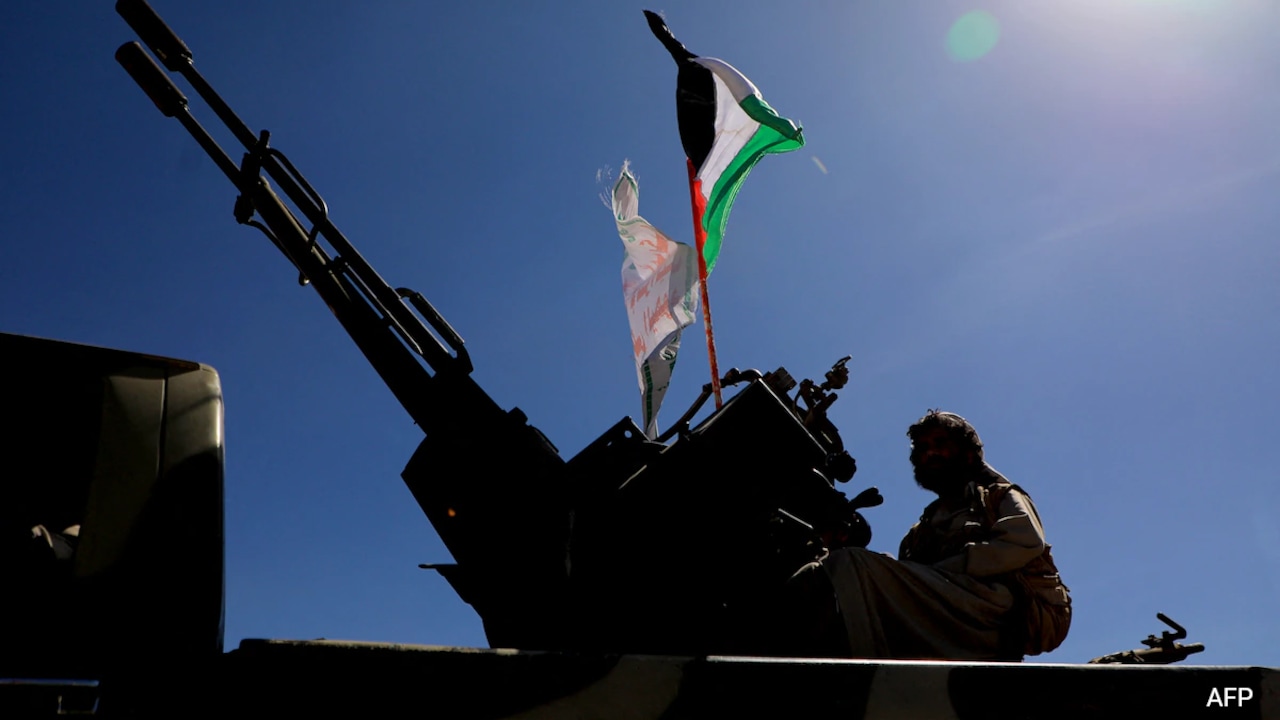
I've spent years tracking Middle Eastern energy security and cross-border drone warfare. If you look past the immediate market knee-jerk, you'll see a very specific, calculated playbook at work here. The Houthis—officially known as Ansar Allah—aren't just firing rockets blindly into the desert. They're executing an asymmetric economic strategy designed to maximize psychological pressure while spending pennies on the dollar compared to what Saudi Arabia pays to shoot those threats down.
Why Blasts Shake Riyadh Without Hitting Oil Infrastructure
Let's clear up the biggest point of confusion first. Whenever reports emerge of explosions over Riyadh alongside claims of an attack on a Saudi Aramco facility, people assume a refinery in the capital just blew up. More insights into this topic are explored by BBC News.
That's rarely what happened.
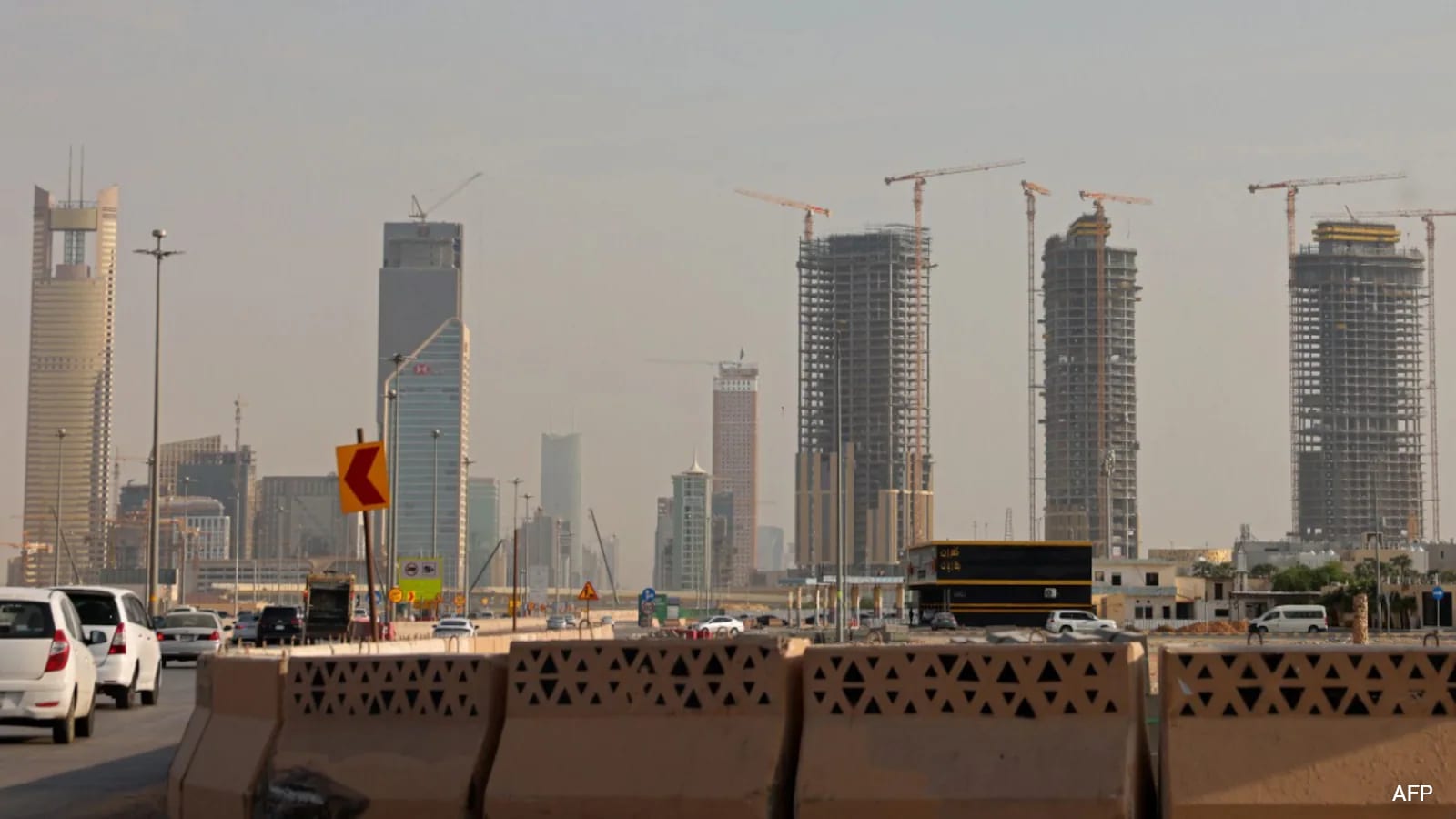
Riyadh doesn't actually sit on the main oil fields—most of Saudi Arabia's massive upstream production is concentrated hundreds of miles east in the Eastern Province, near Dammam, Dhahran, and Jubail. However, Riyadh does house a major domestic refinery operated by Saudi Aramco, and it's the political nerve center of the kingdom. When loud booms echo across the city, you're almost always hearing the kinetic clash of Saudi Patriot or THAAD interceptors slamming into ballistic missiles high in the atmosphere.
Interceptions are loud. Extremely loud.
Shrapnel falls back to earth, windows rattle across residential neighborhoods, and smartphone videos immediately flood social media. Within minutes, Houthi military spokesperson Yahya Saree typically releases a statement claiming responsibility for launching Zulfiqar ballistic missiles or Samad-3 long-range drones at "sensitive targets" or specific Aramco refineries in Riyadh, Jeddah, or Ras Tanura.
Saudi state media, via the Saudi Press Agency, usually counters within hours. They confirm the interception, report zero casualties, and note minor material damage from falling debris. Both sides are telling a version of the truth that serves their domestic audience, which makes separating hype from actual physical damage critical if you're trying to understand the real-world impact.
The Brutal Math of Asymmetric Drone and Missile Warfare
You don't need to destroy a refinery to win the psychological battle. You just need to force your opponent to fire a $3 million interceptor missile at a $20,000 loitering munition.
Think about that exchange rate for a second.
Iranian-backed Houthi engineers have spent the last decade perfecting low-cost, long-range strike capabilities. Early in the Yemen conflict, their arsenal consisted mostly of aging Soviet-era Scud missiles. Today, they deploy precision-guided ballistic missiles like the Burkan series and delta-wing drones packed with explosives that fly low enough to hug terrain and evade traditional radar sweeps.
Saudi Arabia relies on some of the most advanced air defense systems on the planet, including American-made Raytheon Patriot batteries and Lockheed Martin THAAD systems. These systems work remarkably well. Their interception rate against Houthi barrages routinely exceeds 85 to 90 percent.
Still, the economics are lopsided. Every time sirens wail in Riyadh or Jeddah, defense budgets bleed millions of dollars in a matter of seconds. And because air defense isn't an impenetrable dome, a coordinated swarm—mixing slow-moving drones with high-velocity ballistic missiles—is specifically designed to saturate radar operators and force a single projectile through the net.
The Targets That Actually Matter to Global Markets
Not all Saudi oil facilities carry the same weight. If you want to read the news like an energy analyst instead of a panic-driven day trader, you need to distinguish between domestic refineries and export hubs.
- Riyadh and Jeddah Refineries Primarily serve domestic fuel consumption. A fire at the Jeddah bulk plant—like the high-profile strike ahead of the Saudi Arabian Grand Prix in 2022—creates dramatic black smoke visible for miles. It looks terrifying on television, yet it barely dents global crude supply because that fuel wasn't heading onto international tankers anyway.
- Abqaiq Processing Facility This is the crown jewel. Located in the Eastern Province, Abqaiq processes sour crude into sweet crude before it moves to export terminals. When drones and cruise missiles struck Abqaiq in September 2019, it knocked 5.7 million barrels per day offline overnight—roughly 5 percent of the entire world's daily oil supply.
- Ras Tanura One of the largest offshore oil loading facilities in the world. Any confirmed hit here sends immediate shockwaves through Brent crude futures because it directly bottlenecks physical barrels leaving the Persian Gulf.
How Oil Markets React Versus What Actually Happens to Supply
Watch the Brent crude chart five minutes after a Houthi strike claim hits the wire. You'll almost always see a sharp green candle jumping 2 to 4 percent. Algorithmic trading bots scan headlines for keywords like "Riyadh," "blasts," "Aramco," and "missile," automatically buying oil futures before a human trader even reads the second paragraph.
Then, six hours later, the price usually gives back half or all of those gains.
Why? Because physical oil markets care about barrels lost, not headlines generated. Saudi Aramco maintains massive underground storage caverns and spare production capacity specifically engineered to absorb supply shocks. Even after the devastating 2019 Abqaiq attack—the worst disruption in modern oil history—Aramco restored full output within weeks by rerouting flows and tapping strategic reserves.
Traders have learned this lesson the hard way. Unless satellite imagery from firms like Maxar or Planet Labs confirms scorched storage tanks or shattered stabilization towers, institutional desks treat Houthi missile claims as temporary geopolitical noise rather than a structural supply deficit.
The Geopolitical Chessboard Behind the Launches
Missiles don't fly in a vacuum. Every major Houthi escalation ties directly to broader diplomatic friction across the Middle East.
When ceasefire negotiations in Yemen stall, or when regional tensions flare around Red Sea shipping lanes and Gaza, cross-border attacks toward Saudi territory surge. By threatening Saudi energy infrastructure, the Houthis gain immediate leverage at the negotiating table. They remind Riyadh that Saudi Vision 2030—Crown Prince Mohammed bin Salman's massive economic diversification plan reliant on foreign investment and tourism—cannot thrive while ballistic missiles are falling out of the sky over the capital.
Foreign investors hate uncertainty. You can build futuristic megacities and host global sporting events, but nobody wants to relocate corporate headquarters to a city where air raid sirens interrupt Tuesday morning board meetings. The Houthis know this. Targeting Riyadh isn't just a military maneuver; it's a direct strike against Saudi Arabia's economic rebranding.
How to Verify Breaking Reports Before Believing the Hype
Next time your phone buzzes with an alert about explosions in Saudi Arabia and a Houthi claim of hitting an oil facility, don't fall for the first viral video you see on X or Telegram. Half the footage circulating during these events is recycled from years-old industrial accidents in China, Syria, or previous strikes from 2021.
Run through a quick verification checklist before drawing conclusions:
- Check the Saudi Press Agency (SPA) and Ministry of Defense statements. Saudi authorities rarely hide major physical fires because satellite imagery exposes them within 24 hours anyway. If they report an interception with minor shrapnel damage, that's usually accurate.
- Watch Brent Crude futures, not social media trends. Real-time commodity markets have skin in the game. If Brent isn't surging past 5 percent and holding those gains, institutional intelligence desks haven't confirmed serious infrastructure damage.
- Look for NASA FIRMS thermal anomaly data. NASA's Fire Information for Resource Management System tracks heat signatures globally in near real-time. A major refinery fire shows up as a bright thermal hotspot over the exact coordinates of the facility within hours.
- Separate the claim from the target's function. Verify whether the alleged target is a local distribution depot or an export terminal like Ras Tanura.
Keep your focus on confirmed satellite verification and actual crude export flows rather than initial militant statements, and you'll never get caught off guard by headline-driven panic again.