The United States has offered to temporarily suspend oil sanctions against Iran through targeted Office of Foreign Assets Control waivers in an attempt to salvage stalled peace talks and avert an energy crisis. According to a leak from sources close to the Iranian negotiating team in Islamabad, this concession represents a shift in the American bargaining text, offering sanctions relief during the negotiation window rather than demanding total compliance upfront. However, this desperate diplomatic gambit is highly unlikely to solve the underlying conflict, as Tehran continues to demand the permanent elimination of all maritime and economic restrictions before signing a final deal.
Financial markets initially reacted with a brief dip in crude futures, but the optimism evaporated within hours. Brent crude quickly bounced back to over $111 a barrel, while West Texas Intermediate climbed past $107. Traders who spend their lives looking at physical infrastructure, rather than diplomatic press releases, see the offer for what it is. It is an act of economic desperation from a White House watching the global energy architecture fracture in real time.
The immediate catalyst for this policy shift is not a sudden breakthrough in diplomatic goodwill. It is the looming exhaustion of Western options. For months, the Strait of Hormuz has remained effectively blocked following military exchanges. The global economy is hemorrhaging oil. About 20% of the world’s petroleum supply is trapped behind a maritime chokepoint governed by the newly declared Persian Gulf Strait Authority, an Iranian body now demanding total, unilateral oversight of regional shipping.
International Energy Agency Chief Fatih Birol issued a stark warning from the Group of Seven meeting in Paris, noting that commercial inventories are depleting rapidly with only a few weeks of buffer left. The emergency release of 2.5 million barrels per day from strategic reserves has kept Western economies on life support, but those stockpiles are finite. By offering an immediate financial lifeline to Tehran, Washington is trying to buy time before domestic gasoline prices, currently stubborn at a multi-year high of $4.50 a gallon, trigger widespread political fallout at home.
The mechanics of the proposed deal reveal the deep distrust defining these backchannel talks, which are being shuttled through Pakistani mediators. Tehran recently submitted a revised 14-point proposal to the American side. In response, Washington offered the temporary Treasury waivers to show flexibility, even signaling a willingness to tolerate limited, monitored civilian nuclear activities at sites like Bushehr.
Yet the core structure of the negotiation is fundamentally flawed. Washington wants to use temporary waivers as a carrot to keep Iran at the table while deferring the explosive issues of uranium enrichment and ballistic missile infrastructure to later, unspecified rounds of talks. Iran, having watched previous administrations tear up executive agreements with the stroke of a pen, views temporary waivers as a trap. They want permanent legal guarantees, not a rolling permission slip from American regulators that can be revoked on a whim.
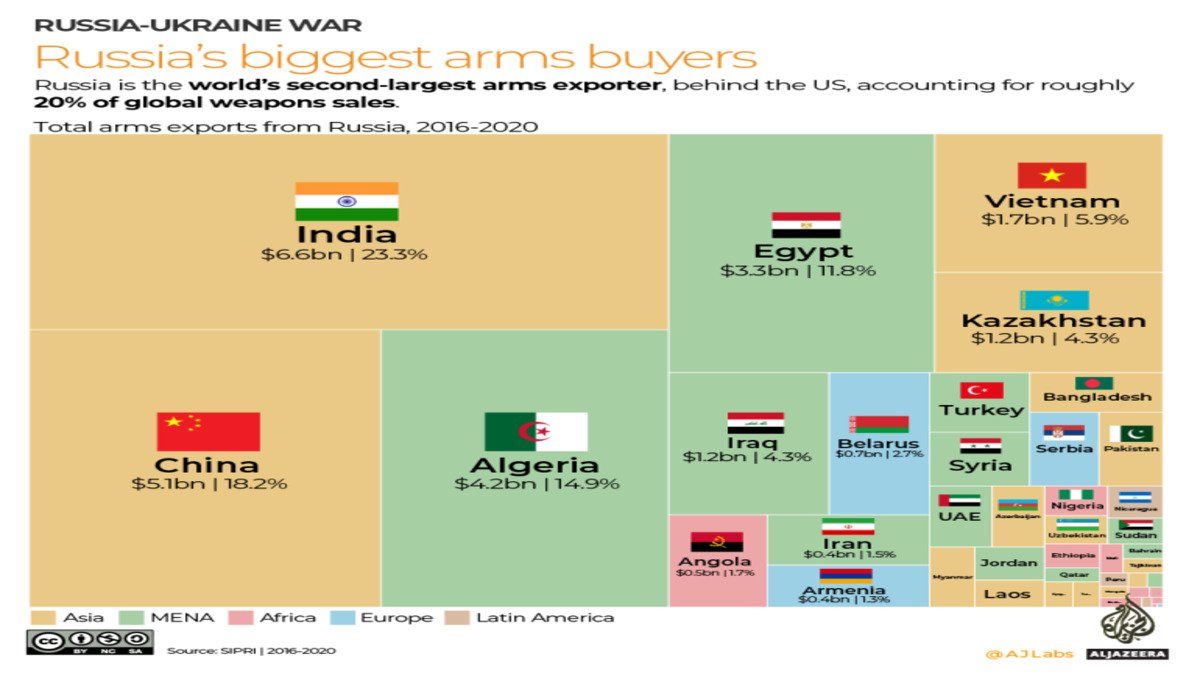
The broader geopolitical chessboard makes a clean resolution even more improbable. Just 24 hours before this leak, the Trump administration allowed a separate sanctions waiver on Russian seaborne crude to expire. Treasury Secretary Scott Bessent chose not to renew the exemption that allowed nations like India to purchase Russian oil, a measure originally designed to offset the initial shock of the Hormuz closure. By tightening the screws on Moscow while loosening them for Tehran, the White House is playing a dangerous game of macroeconomic whack-a-mole.
Furthermore, enforcement on the water has already broken down. Tanker tracking data confirmed that a sanctioned liquefied petroleum gas tanker successfully loaded fuel at Iran's Kharg Island over the weekend, slipping straight through an active naval blockade undetected. When illicit tankers can run blockades with impunity and sell discounted crude to eager buyers in Asia, the diplomatic leverage of offering an official waiver is severely diminished. Iran is already moving its product; a formal waiver merely legitimizes a trade that the West has proven powerless to stop.
Relying on Iranian media reports via the semi-official Tasnim agency always requires a healthy dose of skepticism, as Tehran frequently leaks favorable terms to project strength to its domestic audience and test market reactions. But the silence from Washington speaks volumes. The administration is cornered by physical realities. Drone strikes targeting energy facilities in the United Arab Emirates and interception reports out of Saudi Arabia underscore that the Gulf remains a combat zone. You cannot insure a supertanker with diplomatic promises, and you cannot fill an empty storage tank with a draft treaty.
The hard truth is that temporary economic band-aids will not open the Strait of Hormuz. The conflict has moved beyond a simple disagreement over nuclear centrifuges into a fundamental battle over regional hegemony and maritime control. By offering to freeze oil sanctions without securing a concrete commitment to end the shipping blockade, Washington risks giving up its most potent economic leverage in exchange for empty promises of continued dialogue. Until the physical security of Gulf shipping lanes is restored, no amount of regulatory flexibility from the Treasury Department will prevent the impending global supply crunch.