Saltwater tastes like history if you stay down long enough. It clings to the back of your throat with the bitter sting of sulfur, rusted iron, and forgotten copper.
Down here, fifty feet beneath the shimmering turquoise chop of Kingston Harbor, the world stopped on a Tuesday afternoon in June. Not gradually. Not with the polite warning of a fading tide. It happened in the span of three heartbeats. First came the sickening, subterranean groan—the sound of the earth's crust snapping like dry pine. Then, the liquid floor beneath the bustling taverns, brothels, and merchant houses turned to soup.
Port Royal dropped into the sea.
Two thousand souls vanished in minutes. Another two thousand followed in the sweltering weeks that rotted beneath the Caribbean sun, victims of the fever that always follows catastrophe. For centuries, schoolbooks and breathless maritime tales branded this Jamaican sandspit as the Sodom of the New World. A den of cutthroats, privateers, and loose coin where Henry Morgan walked the docks with a goblet of rum in one hand and a flintlock in the other. They called it the wickedest city on earth.
They forgot to mention how loudly it whispered in the dark.
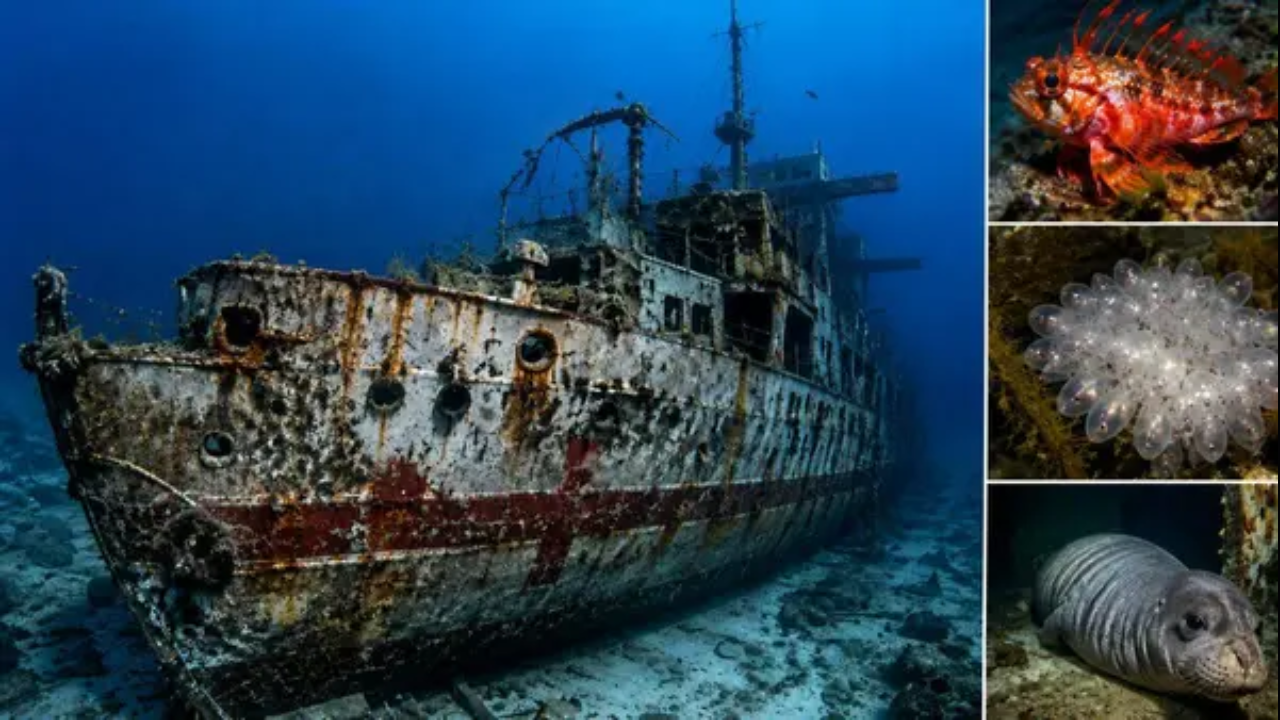
Standing on the modern deck of a research vessel bobbing above the site, the air smells of diesel and old sweat. Looking down through polarized glass, you see nothing. Just an endless, heavy blue. Yet beneath that placid surface lies one of the most remarkable archaeological time capsules on the planet. It is an underwater Pompeii, preserved not by volcanic ash, but by an instantaneous, muddy grave that starved iron and wood of oxygen.
To understand what lies below, we have to look past the Hollywood caricature of eye patches and parrots. The reality of Port Royal was far more complex, dusty, and desperate.
Picture a narrow finger of sand jutting into the harbor, packed so tightly with multi-story brick buildings that the streets were little more than shadowy alleys. Here, English ambition collided with Spanish gold and Caribbean grit. Merchants traded stolen indigo, smuggled tobacco, and looted silver plates while keeping a nervous eye on the horizon for Spanish galleons. It was an economy built entirely on calculated risk. Every man who stepped off a brigantine in 1692 knew he might die of the flux tomorrow or hang in chains at Gallows Point by the weekend.
They lived fast because the alternative was unthinkable.
Then the earthquake struck. Three massive shocks pulverized the peninsula. Eyewitness accounts from the era, preserved in yellowed parchments at archives in Spanish Town and London, read like fever dreams. Ministers reported seeing the ground open up and swallow entire rows of houses, only to slam shut again, crushing unfortunate citizens midway. Warehouses slid off the shelf of the shallow bank into the deep channel, taking crates of ducats and kegs of salted pork with them.
And then, the sea rushed in to claim the rest.
For three hundred years, the ruins slept. Treasure hunters poked at the edges with crude grappling hooks, hauling up stray coins and encrusted cutlasses, treating a priceless archaeological archive like a lottery ticket. They tore up context in search of shiny objects. They broke the fragile stratigraphy of the mud, scattering the delicate domestic artifacts that told the true story of everyday survival.
Change came slowly, measured in the careful strokes of underwater trowels and the hum of sonar equipment.
Marine archaeologists peering through murky viz aren't just looking for gold. They are looking for pewter plates bearing the initials of a dead scullery maid. They are uncovering the preserved timbers of merchant sloops trapped mid-list. They are mapping the brick foundations of houses that still hold iron roasting spits and clay tobacco pipes, left precisely where their owners dropped them when the sky fell.
Consider what happens when you brush away two inches of anaerobic silt from a wooden drawer recovered from a sunken cellar. You find a pair of leather shoes, small and narrow, molded to the feet of someone who never made it to the water's edge. You find a child's wooden top. You find a ledger page, ink long dissolved, but paper preserved by the cold, oxygen-starved embrace of the deep harbor mud.
This is where history stops being a textbook and becomes a pulse.
The ships resting in the harbor silt—some broken by the initial cataclysm, others scuttled or abandoned in the panicked aftermath—tell the mechanical story of an empire expanding through violence and trade. They are floating workshops of timber, iron, and hemp, frozen at the exact moment their world ended.
Visiting the modern town of Port Royal today is a disorienting experience. A sleepy fishing village sits quietly on the spit of land that survived the drop, largely ignored by the mass tourism that floods the rest of Jamaica's coast. Old Naval Hospital ruins crumble under the shade of almond trees. Stray dogs trot down dusty lanes where swaggering buccaneers once flashed stolen Spanish gold. The ghosts here are quiet, but they are heavy.
Down in the dark, the city remains. It waits beneath the silt for the next wave of explorers smart enough to treat its ruins not as a chest of pirate loot, but as a fragile, fragile library of human experience.
The water laps gently against the hull of the research boat. Somewhere down below, half-buried in the grey muck of the harbor floor, a pewter spoon rests beside a shattered brick, waiting for the light it hasn't seen in centuries.