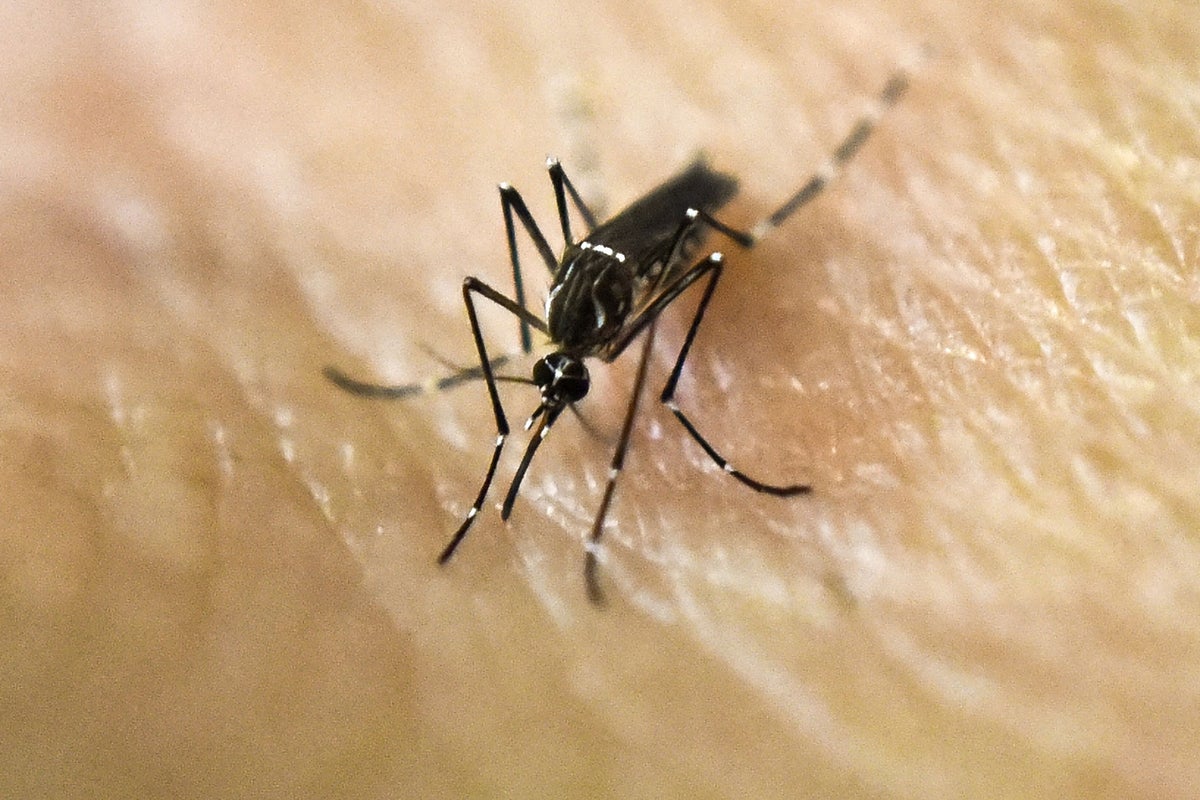
The confirmation of the fourth human case of tularemia in Suffolk County, New York, marks a critical inflection point in regional vector-borne disease tracking. Commonly known as rabbit fever, this bacterial zoonosis caused by Francisella tularensis operates via high-consequence transmission mechanics that consistently outpace standard municipal surveillance frameworks. While public health reporting tends to treat isolated clusters as random epidemiological anomalies, a granular evaluation of vector density, environmental variables, and diagnostic latency reveals a predictable systemic failure in early detection.
The Vector Amplification Vector Matrix
Understanding the recurrence of tularemia in suburban-rural interfaces requires examining the intersection of vector population dynamics and human land-use patterns. The primary vectors responsible for transmission in the Northeast—predominantly the lone star tick and dog ticks alongside deer flies—thrive under specific ecological pressures.
- Host Density Feedback: The population explosion of white-tailed deer and small mammal reservoirs provides an uninterrupted blood-meal supply, driving vector reproduction cycles to multi-year highs.
- Microclimate Retention: Suburban landscaping practices, unmanaged brush lines, and fragmented forest edges create high-humidity microhabitats that maximize tick survival rates during seasonal temperature shifts.
- Zoonotic Spillover Thresholds: As wild rodent and lagomorph populations fluctuate, the bacterial load within local reservoirs concentrates, dramatically increasing the statistical probability of a vector acquiring and transmitting Francisella tularensis to incidental hosts like humans and domestic pets.
This matrix ensures that a baseline level of environmental risk remains constant, transforming localized exposures from extraordinary events into predictable statistical outcomes.
The Diagnostic Latency Bottleneck
The primary vulnerability in managing rabbit fever is not necessarily its virulence, but the structural delay between infection and clinical identification. Francisella tularensis is a gram-negative coccobacillus requiring an exceptionally low inoculum to initiate systemic pathology. Despite this high infectivity, clinical identification suffers from severe friction across three operational stages.
The initial manifestation frequently mimics common dermatological or viral conditions. Whether presenting as ulceroglandular symptoms from a tick bite or glandular variants from animal contact, early presentation yields ambiguous clinical markers. Practitioners outside endemic zones rarely prioritize tularemia in initial differential diagnoses.
Patients routinely experience a multi-week timeline of escalating fatigue, lymphadenopathy, and spiking fevers before a definitive antibody titer or PCR assay is ordered. During this window, pathogen dissemination occurs unchecked, converting a condition that is easily managed with targeted aminoglycosides or tetracyclines into a debilitating multi-system ordeal.
Diagnostic laboratories handle Francisella tularensis with extreme caution due to high aerosol infectivity risks in clinical settings. Consequently, local hospitals often outsource confirmation assays, introducing logistical lag that delays therapeutic optimization.
The Economics of Vector Control Deficits
Municipal response mechanisms to tick-borne pathogens suffer from a reactive fiscal structure. Vector management budgets are typically allocated based on historical case counts rather than predictive ecological modeling. When annual counts hover in the single digits—such as Suffolk County recording three cases in 2023, four in 2024, and six in 2025—public health agencies face political friction when attempting to justify aggressive, preemptive spraying or broad-scale public awareness campaigns.
This creates a structural deficit. Vector control interventions are deployed only after human morbidity thresholds are breached. By the time emergency department visits for tick-related complications peak, the window for environmental suppression has closed. Public health messaging relies on individual behavioral modification—such as long sleeves, repellents, and post-exposure checks—which carry a notoriously high failure rate due to compliance fatigue.
Strategic Operational Directive
Mitigating the recurrence of high-consequence zoonotic outbreaks demands an immediate pivot from passive surveillance to active pathogen surveillance architectures. Regional health departments must integrate veterinary sentinel data, testing domestic pets and wildlife populations for Francisella tularensis markers before human clinical presentations force a response. Simultaneously, regional emergency departments must implement automated clinical decision support alerts that flag persistent, unexplained lymphadenopathy combined with outdoor exposure histories, compressing the timeline from vector attachment to antimicrobial administration.