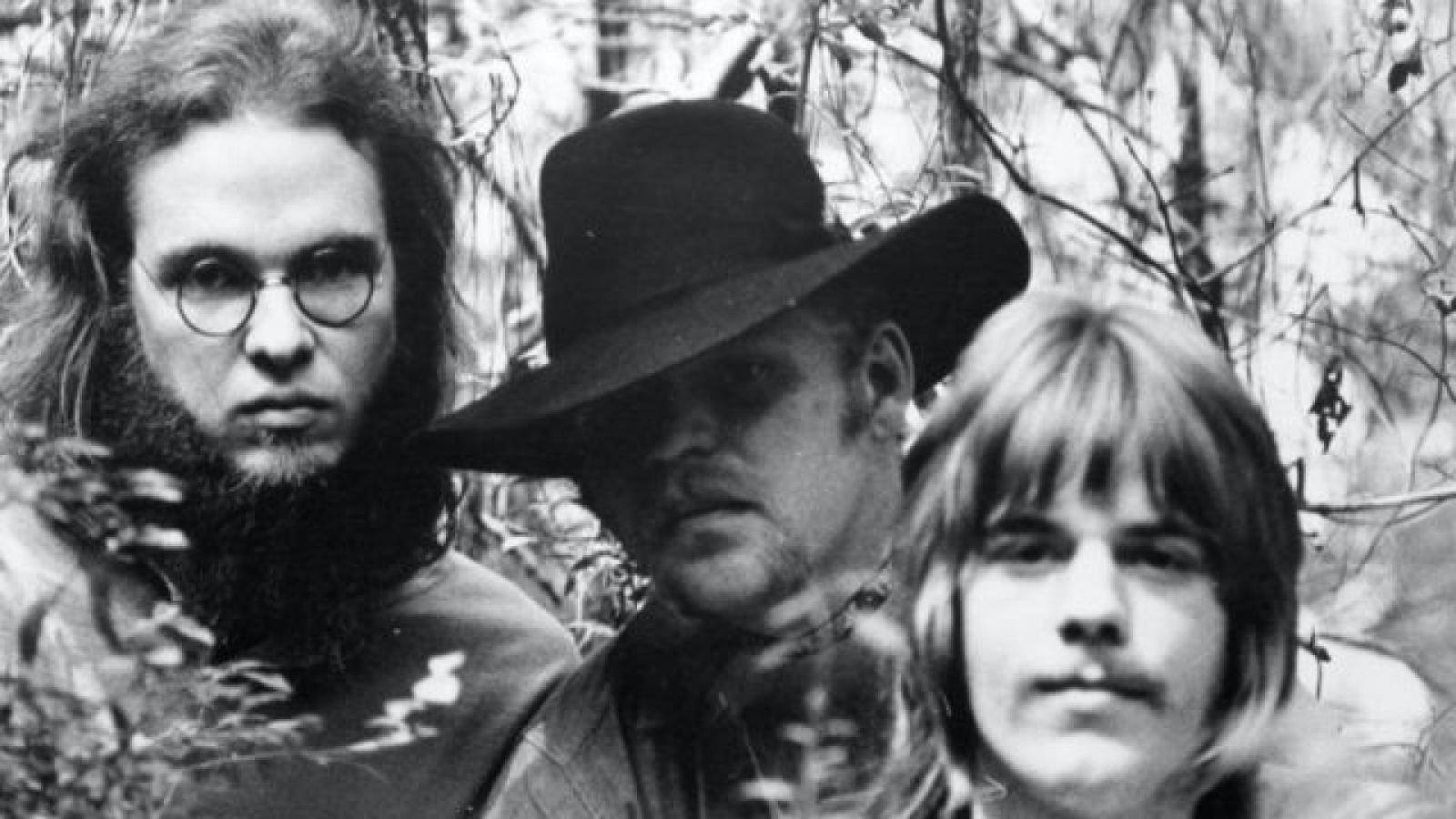
When you think of ZZ Top, you probably see the beards first. Those chest-length, fuzzy architectural wonders that became the band's entire brand during the MTV era. But honestly? For a huge chunk of their history, they were just three guys from Texas in cheap suits with relatively bare faces.
ZZ Top younger days weren't about synthesizers or fuzzy guitars that spun in circles. They were about grit. They were about playing to a single person in a half-empty hall and buying that guy a Coke just for sticking around. It’s a story of psychedelic leftovers, a "fake" band scandal, and a specific brand of Texas blues that almost didn't make it out of the garage. You might also find this connected coverage insightful: Dreams in Nightmares and the Brutal Autopsy of the American Road Trip.
The Weird Truth About the 1969 Origins
Before the "Little Ol' Band from Texas" became a household name, Billy Gibbons was already a local hero. He was fronting a psychedelic band called The Moving Sidewalks. They were actually good enough to open for Jimi Hendrix. Hendrix even famously called Gibbons one of the best young guitarists in the country on The Dick Cavett Show.
But Vietnam changed everything. As reported in detailed articles by Deadline, the implications are worth noting.
The draft took two members of the Moving Sidewalks, leaving Gibbons to scramble. He eventually hooked up with Lanier Greig (organ) and Dan Mitchell (drums) to record the first ZZ Top single, "Salt Lick." It sounds nothing like "Legs." It’s raw, nervous, and a little bit confused.
Eventually, the lineup shifted. Frank Beard joined on drums, and he brought along a guy he'd played with in a band called American Blues: Dusty Hill.
The Fake Zombies Scandal
Here is a bit of trivia most people miss: Frank and Dusty spent a portion of their ZZ Top younger days pretending to be British.
In 1969, a promoter was sending out "fake" versions of the band The Zombies to tour the US. Since The Zombies had already broken up but had a hit with "Time of the Season," these promoters figured fans wouldn't know the difference. Frank and Dusty were part of the Texas-based "Zombies." They wore matching outfits and played the hits. It was a total scam, but it paid the bills.
When they finally linked up with Gibbons, the chemistry was instant. They had their first rehearsal in a room in Houston and supposedly played a shuffle for three hours straight without stopping. That’s when they knew.
That First Legendary (and Empty) Gig
The first official show with the "classic" trio happened on February 10, 1970. It wasn't at a massive stadium. It was at the Knights of Columbus Hall in Beaumont, Texas.
The attendance was one person.
Just one.
Most bands would have packed up and gone home. Instead, the guys played the entire set. They even took a break to buy the guy a drink. It’s that kind of stubbornness that defined the ZZ Top younger days era. They weren't trying to be stars; they were trying to be the tightest blues unit in the South.
Recording the Early Blueprint
Between 1971 and 1972, the band dropped ZZ Top’s First Album and Rio Grande Mud. If you listen to these records today, the production is thin compared to their 80s hits, but the playing is monstrous.
- ZZ Top’s First Album (1971): This was recorded at Robin Hood Studios in Tyler, Texas. It’s purely a blues-rock document. Tracks like "Brown Sugar" (not the Stones song) showed that Gibbons was deep into the Freddie King and Muddy Waters school of guitar.
- Rio Grande Mud (1972): This is where they started to get "heavy." The song "Just Got Paid" features a slide guitar riff that still makes modern players weep.
During this time, their look was... normal. Billy had a little goatee. Dusty had a short, well-groomed beard. Frank Beard (ironically the only one who didn't grow a long one later) looked like a standard 70s rock drummer. They wore ranch wear, denim, and Stetson hats. They looked like the guys who might fix your truck, not international rock icons.
The Transformation: How the Beards Actually Happened
The biggest misconception is that the beards were a planned marketing stunt. They weren't.
After years of relentless touring—including the massive "Worldwide Texas Tour" where they brought a literal buffalo and a rattlesnake on stage—the band was fried. They took a hiatus in 1977.
They didn't see each other for about two years.
Billy went to Europe. Dusty hung out in Mexico and supposedly worked a regular job at an airport under an alias just to feel like a "normal" person for a while.
When they finally met up in 1979 to discuss the next album (Degüello), they both walked into the room and stared at each other. Both had stopped shaving out of pure laziness. Neither knew the other was doing it. Their manager, Bill Ham, saw the look and realized they’d stumbled into the greatest visual hook in music history.
Why the Early Sound Still Matters
If you only know the 1980s synth-pop version of the band, you're missing the "Texas Boogie" soul that made them legends. The ZZ Top younger days recordings are a masterclass in "less is more."
Dusty Hill’s bass playing wasn't flashy, but it was like a heartbeat. He and Frank Beard were so locked in that Gibbons had all the room in the world to explore those "blue notes" and harmonic squeals.
They were basically a garage band that happened to be world-class musicians.
Actionable Steps for New Fans
If you want to actually "get" the early ZZ Top vibe, don't start with a Greatest Hits album. Those are usually filled with the 80s remixes that added 1984-style drum machines to 1973 songs.
- Find the "Original Mixes": Look for the 2013 box set The Complete Studio Albums (1970-1990). It uses the original analog mixes without the 80s reverb.
- Listen to "Tres Hombres": This is the bridge between their "younger days" and their superstar era. It’s the peak of their raw power.
- Watch the Documentary: That Little Ol' Band From Texas (available on most streaming platforms) has incredible grainy footage of them performing in high school gyms and small clubs before the fame hit.
The magic of ZZ Top wasn't the car or the girls in the videos. It was three guys who could hold a groove for ten minutes without ever breaking a sweat. Their younger days proved that if you play the blues honestly enough, eventually, the rest of the world will catch up to you—beards or no beards.
Next Steps for Your Deep Dive: You can start by listening to "Brown Sugar" from their 1971 debut to hear Billy Gibbons' purest blues tone. From there, compare it to "La Grange" from 1973 to see how they evolved that "shuffle" into a radio-ready hit. For the best experience, try to find the vinyl pressings of Rio Grande Mud; the "muddy" analog sound is exactly how the band intended for those early Texas sessions to feel.