You’ve probably heard the riff. It’s that nasty, stuttering, fuzz-drenched growl that opens up the track. It sounds exactly like something Billy Gibbons would’ve cooked up in a garage in 1971, but the lyrics are… different. "Twenty-five lighters on my dresser, yessir." That’s not exactly the usual delta blues talk about crossroads or hellhounds.
Honestly, when ZZ Top Got To Get Paid (officially titled "I Gotsta Get Paid") dropped in 2012, it confused a lot of people. Was "That Little Ol' Band From Texas" trying to be trendy? Were they rapping?
Not even close.
What they were actually doing was returning to their roots by way of a 1990s Houston hip-hop classic. It sounds like a contradiction, but for a band that spent forty years blending grease, chrome, and blues, it was the most natural move they ever made.
The Secret History of the 25 Lighters
The song isn't a ZZ Top original in the traditional sense. It’s a complete reimagining of "25 Lighters" by DJ DMD, featuring Fat Pat and Lil’ Keke. If you grew up in Houston in the late '90s, that song was everywhere. It was a staple of the "chopped and screwed" scene pioneered by DJ Screw.
The original track is a hypnotic, slowed-down chronicle of the street grind. The "25 lighters" refers to a specific hustle: disassembling Bic lighters, removing the fluid, and using the empty shells to hide and transport crack. It was gritty. It was local. And it was incredibly catchy.
Billy Gibbons didn't just stumble onto this. He lives in Houston. He’s always been a student of the city's sounds, whether it’s the lightning-fast fingers of Lightnin' Hopkins or the heavy, atmospheric bass of Rap-A-Lot Records.
According to Billy, he was hanging out in a communal lounge at John Moran’s Digital Services while his own studio was getting a facelift. The place was crawling with hip-hop royalty—guys like Scarface and the late Bushwick Bill. They wanted to know how he got those guitar sounds; he wanted to know what they were doing with those beats.
The "meeting of the minds" happened right there in the lounge.
Rick Rubin and the Search for the "Stump"
The band hadn't put out a studio album in nine years. They were working with legendary producer Rick Rubin for what would become La Futura. Rubin is famous for stripping bands down to their essence. He did it with Johnny Cash, and he wanted to do it with ZZ Top.
He told them they needed one more song. Something with a "stump"—that heavy, rhythmic thud that defines Texas blues.
Engineer Gary Moon was the one who actually pointed the way. He had engineered the original "25 Lighters" years earlier. When he suggested ZZ Top take a crack at it, Billy was skeptical. How do you turn a drum-machine-heavy rap track into a power trio blues jam?
The answer was the Frazz.
That’s what Billy calls the random-signal generator he used for the guitar tone. It’s a piece of gear that basically breaks the signal apart and puts it back together in weird, unpredictable ways. It created a tone so filthy it sounded like it had been dragged through a Houston gutter.
Why ZZ Top Got To Get Paid Works
If you listen to the lyrics, the transition from rap to blues is seamless. The blues has always been about the "toil of the hustler." Whether you’re singing about picking cotton or selling lighters on a corner, the sentiment is the same: life is hard, the world is heavy, and you’ve got to get yours.
Dusty Hill’s bass on this track is absolutely punishing. It doesn't move much—it just anchors the whole thing down like a lead weight. Frank Beard keeps the beat simple, echoing that "chopped and screwed" feel by playing slightly behind the beat.
It’s a masterclass in tension. The song feels like it’s constantly about to fall apart, but it never does.
The Breakdown of the Sound
- The Riff: A modified version of the original hip-hop melody, played through a fuzz box that sounds like a blown speaker.
- The Vocals: Billy’s voice has aged into a fine, gravelly sandpaper. He doesn't rap; he growls the lines with a rhythmic cadence that fits the "hustler" persona perfectly.
- The Gear: Billy used a mix of Magnatone amps and boutique pedals like the Expandora to get that specific "crunch" that defines the La Futura era.
The Cultural Collision
The best part of this story is the reaction from the original creators. Dorie Dorsey (DJ DMD) thought it was a prank when he got the call that ZZ Top wanted to cover his song. He’d been a fan of the band since he was a kid.
To him, it wasn't just a cover; it was a validation of the Houston sound.
There's a specific kind of respect in how ZZ Top handled the material. They didn't "rock it up" in a cheesy way. They found the "middle ground" between the hip-hop of the South and the electric blues of the 1950s. They proved that the two genres aren't actually that far apart. They both rely on a heavy groove and a certain level of mystery.
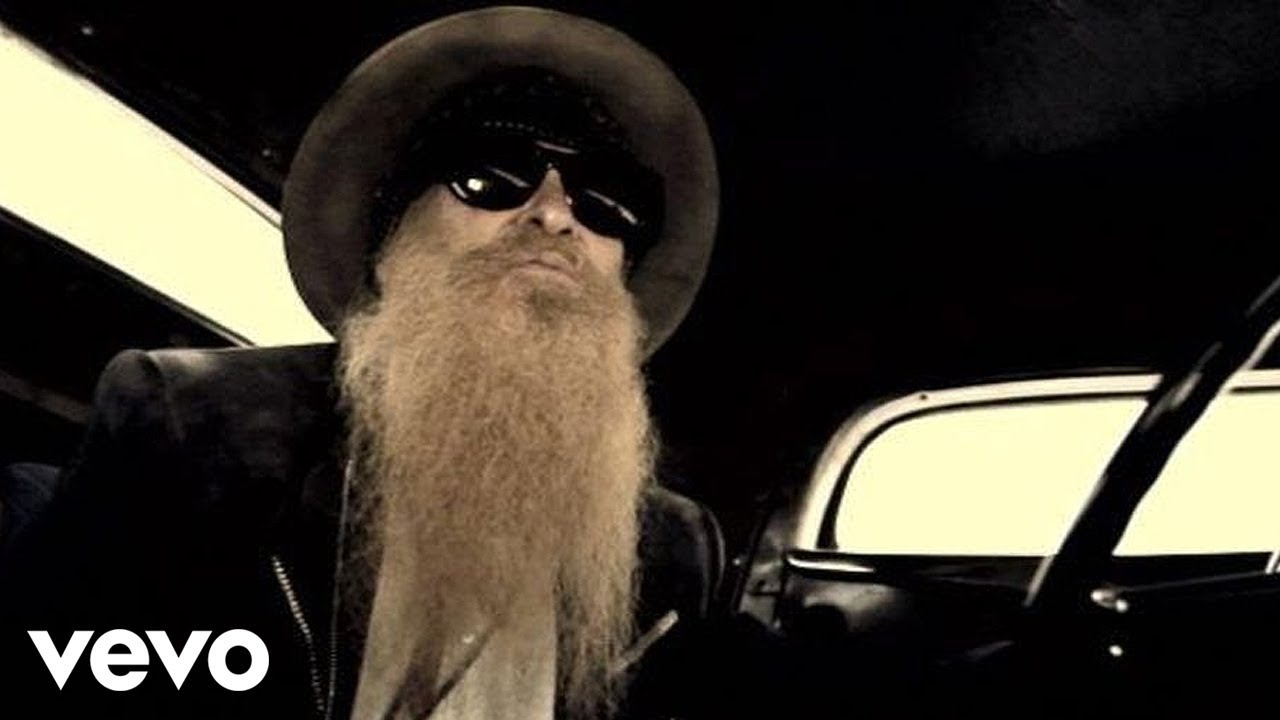
When the music video hit, it featured the classic ZZ Top tropes: hot rods, desert landscapes, and long-legged women. It felt like a 1980s Eliminator throwback, but the music was darker and more mature. It was the perfect bridge between their commercial peak and their blues-man reality.
What Most People Get Wrong
People often assume "Got To Get Paid" was a desperate attempt to stay relevant in a digital age. That's a total misconception.
ZZ Top has never cared about being "relevant" in the pop sense. They’ve always been about the tone. If a hip-hop track from 1998 had the right "vibe" and the right lyrical "stump," they were going to play it.
The song actually performed quite well, becoming a staple of their live sets for the next decade. It proved that their audience—mostly old-school rockers—was willing to follow them into weird territory as long as the guitar was loud and the groove was deep.
How to Appreciate the Track Today
If you really want to "get" this song, you have to listen to it in context.
First, go listen to the original "25 Lighters" by DJ DMD. Pay attention to the "chopped" rhythm. Then, put on "I Gotsta Get Paid" and notice how Frank Beard translates that electronic stutter to a physical drum kit.
It’s also worth looking at the credits. The band ensured that the original writers—Dorie Dorsey, Albert Brown III, and Kyle West—were all properly credited. In an industry where "sampling" and "borrowing" can get messy, ZZ Top did it by the book.
Actionable Insights for Fans and Guitarists:
- Tone Chasing: If you're trying to replicate this sound, don't just crank the gain. Use a fuzz pedal with a "gate" or a voltage starve. You want that "dying battery" sound where the note cuts off abruptly.
- Hybrid Picking: To get the snap on the higher strings like Billy does, use a pick for the bass notes and your middle/ring fingers to pop the top strings.
- Explore the Source: If you like the "vibe" of this track, check out other Houston artists like the Geto Boys or UGK. You'll hear the same "thick" atmosphere that Billy Gibbons was trying to capture.
- Listen to the Album: La Futura as a whole is perhaps the most underrated record in their catalog. It’s the closest they ever got to the raw power of Tres Hombres after the synth-heavy '80s.
The legacy of ZZ Top Got To Get Paid isn't just that it was a "cool cover." It’s that it reminded everyone that the blues isn't a museum piece. It’s a living, breathing thing that can hide inside a rap song just as easily as it can hide in a Mississippi juke joint.
Next time you're driving through a dusty stretch of road, turn this one up. It makes a lot more sense when the sun is hitting the dashboard and the speakers are vibrating.
Start by comparing the original 1998 hip-hop version to the 2012 blues version to see exactly how the band "translated" the groove.