If you’ve ever scrolled through eBay looking for "ZZ Top 25 lighters," you probably expected to find a shiny, limited-edition box set of Zippos. Maybe a wooden case with twenty-five different engraved designs celebrating Billy Gibbons’ beard or the iconic Eliminator coupe.
That makes sense. It’s logical. But it's also completely wrong.
The truth is way weirder and involves a collision between Texas blues-rock royalty and the gritty underground of Houston’s "Chopped and Screwed" hip-hop scene. There is no official "25 Lighters" merchandise pack produced by Zippo. Instead, the phrase refers to one of the most unexpected cover songs in rock history—a track that bridged a massive cultural gap and proved that ZZ Top, even in their fourth decade, was still the coolest band in the room.
The Houston Secret Behind the Phrase
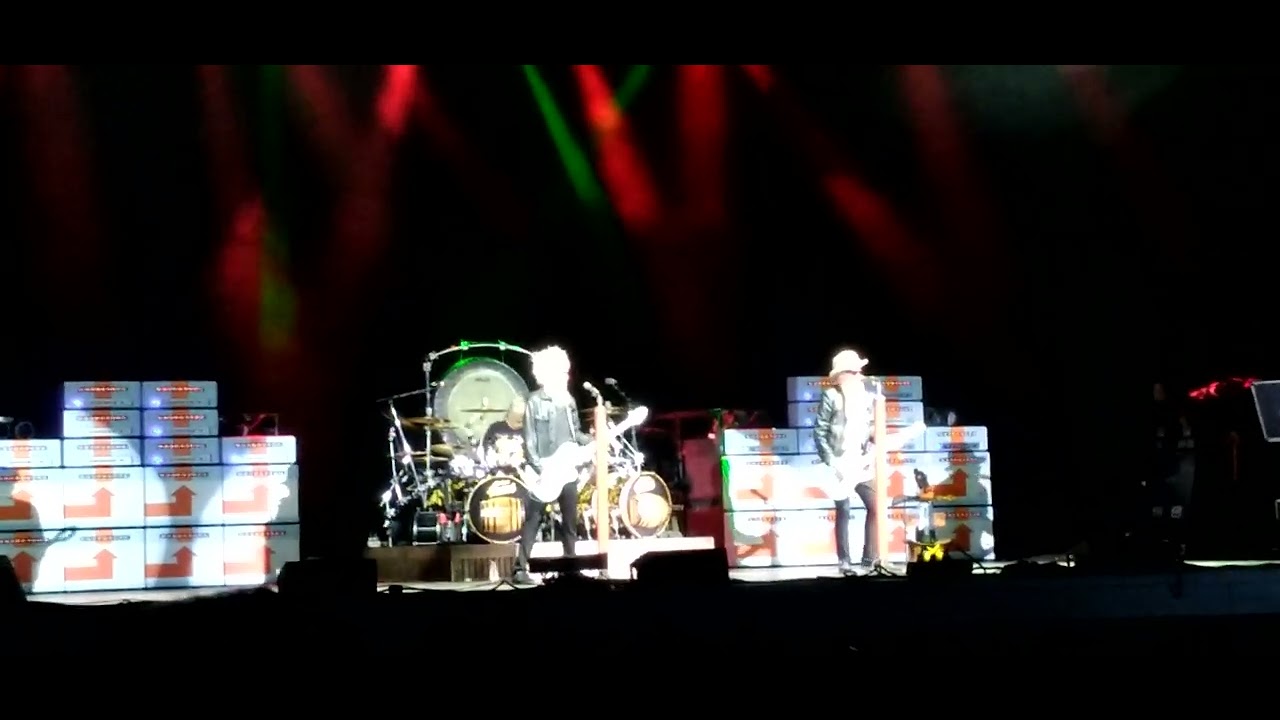
To understand the ZZ Top 25 lighters connection, you have to look at the tracklist of their 2012 album, La Futura. The lead single was a fuzzy, grinding masterpiece called "I Gotsta Get Paid."
If you aren't from Houston, you probably thought the lyrics were just typical Billy Gibbons blues-swagger. But if you grew up in the 713 or the 281 area codes, you recognized those lyrics immediately. They weren’t written by ZZ Top. They were a reimagining of a 1998 Houston hip-hop classic called "25 Lighters" by DJ DMD, featuring Lil’ Keke and Fat Pat.
The original song is a cornerstone of the Screwed Up Click era. The hook—"25 lighters on my dresser, yes sir / I gots to get paid"—refers to a very specific piece of street history. In the 90s, lighters weren't just for fire; they were used as makeshift "safes" for certain illicit substances. Having 25 of them on your dresser meant you were open for business and ready to make money.
Billy Gibbons, being a lifelong resident of Houston and a man with his ear to the pavement, heard this local anthem and decided it needed a heavy dose of Texas grease.
Why Billy Gibbons Decided to "Get Paid"
Honestly, the story of how this happened is pure ZZ Top. Rick Rubin, who was producing La Futura, told the band they needed one more track. Gibbons was in the studio with engineer Gary Moon.
Moon happened to be the same guy who engineered the original "25 Lighters" for the rappers back in the late 90s. When Gibbons mentioned the song, Moon was skeptical. He couldn't imagine a bunch of guys in their 60s with waist-length beards pulling off a "dirty south" rap cover.
He was wrong. Basically, ZZ Top stripped the song down to its bones, replaced the 808 beats with Dusty Hill’s thumping bass, and let Billy’s "Gretsch" guitar scream over the top. They kept the "25 lighters" hook, turning a drug-dealing anthem into a swampy blues-rock stomp.
The Real Collectibles: If There Aren't 25, What Is Out There?
While there isn't a specific "25 Lighters" anniversary set, ZZ Top has a massive history with Zippo. If you're a collector, these are the pieces that actually matter:
- The Special Batch 44: This is a holy grail for many. It was only sold at merch tables during the 2014 tour with Jeff Beck. If you find one with the original "Warning" label intact, it's easily a $400+ item.
- The Eliminator Series: These feature the 1933 Ford Coupe. They come in various finishes like Satin Chrome and Street Chrome.
- The "Thrill" and "Railroad Tracks" Models: Released around 2023, these are more accessible but still highly prized for their art style, which leans into the "Rat Rod" aesthetic the band loves.
- Dusty Hill’s Personal Collection: Since Dusty’s passing, items from his personal stash have occasionally hit high-end auctions. These aren't your standard $30 retail lighters; they are pieces of rock history.
The Cultural Collision
Most people get wrong that ZZ Top was just "copying" a rap song. In reality, the members of the Houston hip-hop community, like Lil’ Keke, saw it as a massive sign of respect.
It’s rare to see a legendary rock band acknowledge the local subcultures of their hometown so directly. By using the "25 lighters" lyric, ZZ Top wasn't just making a hit; they were validating the history of the streets they grew up near. It was a bridge between the blues of the 1920s and the hip-hop of the 1990s. Both genres are built on the same foundation: struggle, hustle, and having a signature sound.
How to Spot a Real ZZ Top Zippo
If you're out hunting for lighters because of the song, don't get scammed. The market is full of "custom" lighters that are basically just Zippos with stickers on them.
First, check the bottom stamp. A genuine Zippo will have the month (A through L) and the year of manufacture stamped into the metal. If the graphic looks like it was printed at home or feels like a decal you can peel off with your fingernail, it's not an official band release.
Official ZZ Top lighters usually feature high-quality laser engraving or "color image" printing that is fused to the metal. Look for the "Official Merchandise" markings on the packaging.
Actionable Insights for Fans and Collectors
If you're fascinated by the ZZ Top 25 lighters story, here’s how to dive deeper:
- Listen to the Comparison: Play "25 Lighters" by DJ DMD back-to-back with "I Gotsta Get Paid" by ZZ Top. You’ll hear exactly how Billy Gibbons translated the rhythm of rap into a guitar riff.
- Verify the Stamp: Before buying any "rare" ZZ Top lighter online, ask the seller for a clear photo of the bottom of the case. Cross-reference the date code with Zippo’s official dating chart to ensure the lighter matches the era it claims to be from.
- Track the Auctions: Keep an eye on sites like Julien’s Auctions. They frequently handle estates from rock legends, and that is where the truly unique, band-owned lighters surface.
- Support the Source: If you dig the lyrics, go check out the Screwed Up Click. Understanding the Houston "Sound" makes the ZZ Top version of the song hit much harder.
The legend of the 25 lighters isn't about a product you can buy in a store. It’s about the fact that "That Little Ol' Band From Texas" never stopped paying attention to the music happening in their own backyard. That's why they're icons.