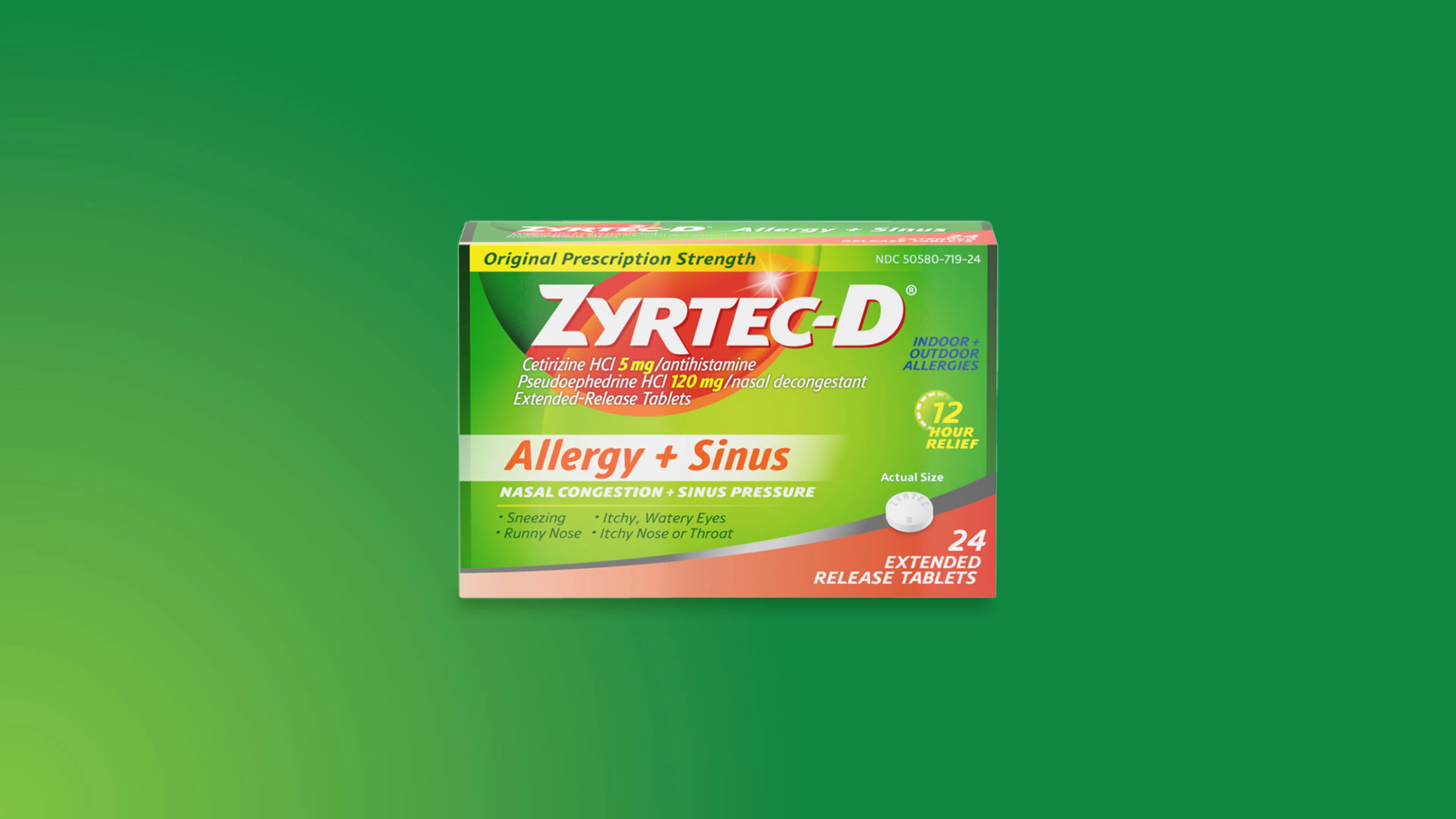
If you’ve ever felt like your own nose was staging a coup against your face, you’ve probably stared at that blue and white bottle in the pharmacy aisle. Zyrtec. It’s everywhere. But honestly, most people just grab it because the box looks official or their cousin swore by it once.
What is it actually doing inside your body? Is it just for when the pollen count goes nuclear, or can it help with that weird itchy patch on your arm? Read more on a related subject: this related article.
Basically, Zyrtec (the brand name for a drug called cetirizine) is a second-generation antihistamine. I know, "second-generation" sounds like it should have better Wi-Fi, but in the medical world, it just means it was designed to stay out of your brain so you don't turn into a zombie. Unlike the older stuff—looking at you, Benadryl—this is meant to keep you awake while it fights the good fight against your allergies.
Zyrtec: What Is It Good For, Really?
Most people think of Zyrtec as the "pollen pill," and they aren't wrong. It is remarkably good at shutting down the standard hay fever symptoms. We’re talking about the sneezing fits that make you look like a broken lawn sprinkler and those itchy, watery eyes that make everyone ask if you’ve been crying. Further reporting by CDC explores related perspectives on this issue.
It handles:
- Seasonal Allergic Rhinitis: The stuff that hits when the trees start "doing their thing" in the spring.
- Perennial Allergies: These are the year-round jerks like dust mites, pet dander, and that mold in the basement you’re pretending doesn’t exist.
- Chronic Hives: This is a big one. It’s FDA-approved to treat urticaria (hives) and the soul-crushing itching that comes with them.
But here is the kicker: it’s surprisingly fast. While some allergy meds take a few days to "build up" in your system, cetirizine usually kicks in within 20 to 60 minutes. If you just walked into a house full of cats and your throat starts itching, Zyrtec is probably your best bet for quick relief compared to something like Claritin, which often takes longer to get moving.
The Science of the "Sneeze Switch"
Inside your body, there are these things called H1 receptors. Think of them like little docking stations. When an allergen (like ragweed) enters your system, your body freaks out and releases histamine. When histamine docks into those H1 receptors, it triggers the alarm: swelling, itching, and mucus. Lots of mucus.
Cetirizine acts like a "Do Not Disturb" sign. It parks itself in those docking stations so the histamine has nowhere to go. If the histamine can’t dock, the alarm doesn’t go off. Simple, right?
The "Drowsy" Elephant in the Room
You’ll see "Non-Drowsy" on the box, but let’s be real for a second. About 10% to 14% of people still get sleepy on Zyrtec. Compared to the 50% chance with older drugs, those are good odds, but it’s not zero.
I’ve talked to people who feel totally fine, and others who feel like they’ve had a double shot of Benadryl. If you’re trying it for the first time, maybe don’t take it right before you have to give a massive presentation or drive a forklift. Take it at night. Since it lasts 24 hours, you’ll still be protected the next day, and you can sleep through the "fog" if you happen to be in that 10%.
What People Get Wrong About Hives and Skin
There is a common misconception that Zyrtec only works for your nose and eyes. Nope. It’s actually one of the top recommendations for skin-based allergies.
If you get those red, raised welts after eating something or touching a weird plant, Zyrtec can be a lifesaver. Dermatologists often suggest it because it’s particularly effective at reducing the "flare" response in the skin.
However—and this is important—it won't prevent the reaction from happening if you keep exposing yourself to the trigger. It just mutes the symptoms. If you’re allergic to your new laundry detergent, Zyrtec will stop the itch, but you still need to ditch the detergent.
The Weird Side Effect Nobody Mentions
In 2025, the FDA updated some warnings about something called discontinuation pruritus. It sounds fancy, but it basically means that a small number of people who take Zyrtec every single day for months or years get insanely itchy when they try to stop.
It’s like the body gets used to the "Do Not Disturb" sign and overreacts when you take it down. If you’ve been on it for a long time, don’t just quit cold turkey. Talk to a doctor about tapering off so you don't end up wanting to claw your skin off for three days.
How It Compares to the Competition
| Medication | Active Ingredient | Speed | Drowsiness Risk |
|---|---|---|---|
| Zyrtec | Cetirizine | Fast (20-60 mins) | Low to Medium |
| Claritin | Loratadine | Slower (1-3 hours) | Very Low |
| Allegra | Fexofenadine | Medium (1 hour) | Almost Zero |
| Xyzal | Levocetirizine | Fast (approx 1 hour) | Low to Medium |
Zyrtec is basically the "strong and fast" option. Claritin is the "gentle but slow" one. Allegra is the "I have to operate heavy machinery" one.
Using It Safely (The Boring But Vital Stuff)
You can find Zyrtec in tablets, liquid gels, and even those dissolvable tabs that taste like fake grapes. For kids, they make a syrup that’s usually safe for ages 2 and up, but always double-check the dosing with a pediatrician.
If you have kidney or liver issues, you need to be careful. Your body clears this stuff through your kidneys, so if they aren't running at 100%, the drug can hang around too long and make you feel way more sedated than usual.
And for the love of everything, don't mix it with alcohol. One beer can feel like three when you have an antihistamine in your system. It’s a recipe for a very unintentional nap on someone’s couch.
Actionable Next Steps
If you're dealing with a sudden allergy flare-up and need relief, here is how to handle it like a pro:
- Check the timing: Take Zyrtec on an empty stomach if you want it to work as fast as possible. Food can delay the onset by about an hour.
- Trial run: If it's your first time, take it in the evening around 7:00 PM. This lets you see if you're one of the lucky 10% who gets sleepy before the next morning.
- Track your triggers: Zyrtec works best when you take it before you're miserable. If you know the pollen count is high tomorrow, take it tonight.
- Consult the pros: If your "hives" are bruised, painful, or don't itch, see a doctor. That might not be a standard allergy, and Zyrtec won't touch it.
- The "Two-Week" Rule: If you’re taking it for more than two weeks straight, it’s worth a quick call to your doctor to make sure you aren’t masking a bigger issue, like a chronic sinus infection.
The goal isn't just to stop sneezing—it's to get back to feeling like a human being again. Zyrtec is a solid tool for that, provided you know its quirks.