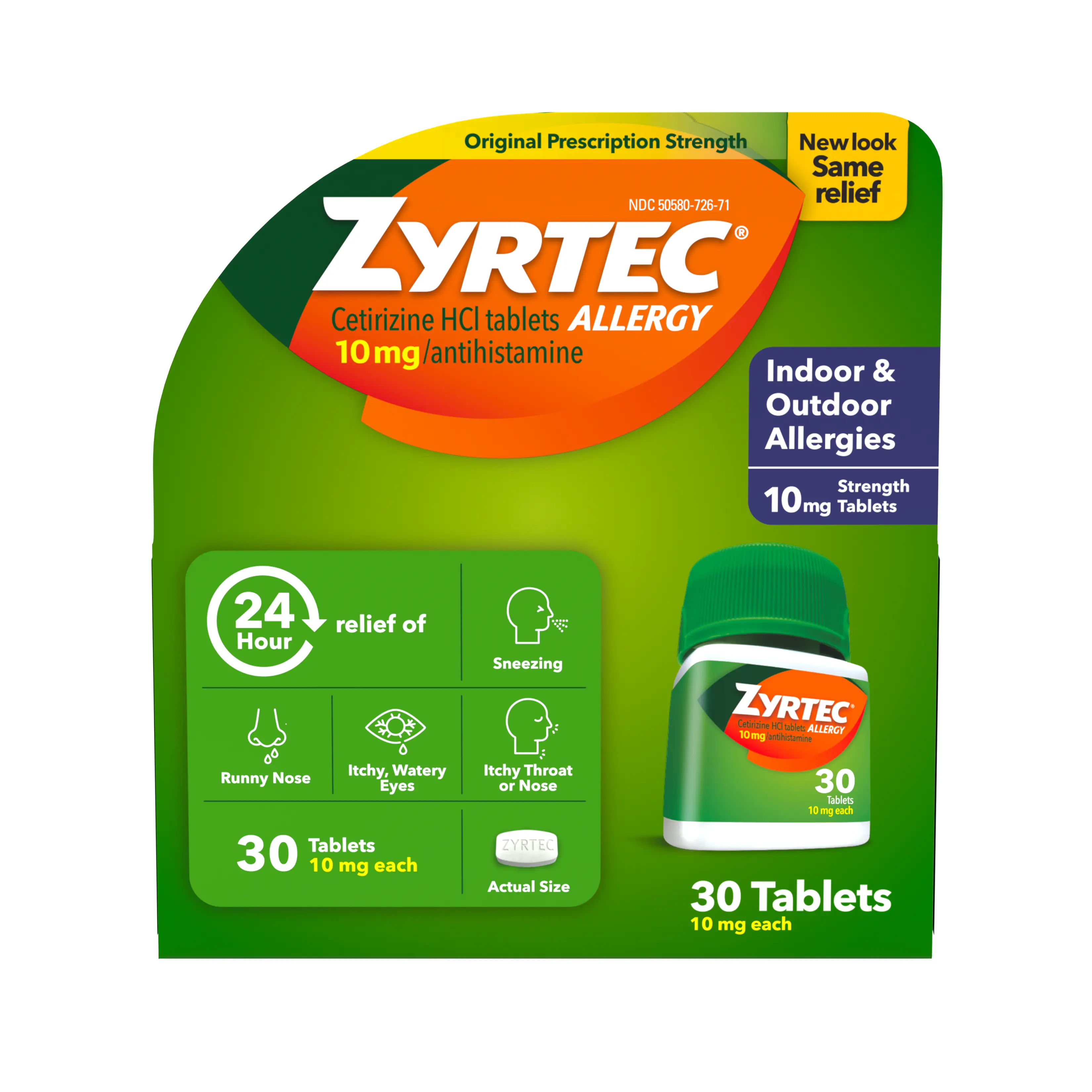
So, your allergies are absolutely kicking your butt today. Maybe the pollen count is through the roof, or you spent too much time around your friend's long-haired cat, and now you’re sneezing so hard your ribs hurt. You already took a Claritin this morning, but it feels like it’s doing exactly nothing. You see a box of Zyrtec in the medicine cabinet and think, "Hey, if I take both, maybe I’ll actually be able to breathe through my nose."
Stop right there.
It’s a tempting thought. More medicine should mean more relief, right? Honestly, that’s not really how your body handles antihistamines. While you won't necessarily drop dead from mixing them once, the Zyrtec and Claritin interaction is less about a dangerous chemical explosion in your stomach and more about "therapeutic duplication." Basically, you're doubling up on the same mechanism, which usually leads to more side effects rather than better results.
The Science of Why They Don't Play Well Together
Both Zyrtec (cetirizine) and Claritin (loratadine) are what doctors call second-generation antihistamines. Think of your H1 receptors like little parking spots in your body where histamine—the stuff that makes you itchy and snotty—likes to park. These drugs work by pulling into those parking spots first so histamine can't get in.
Here is the thing: once those spots are full, they’re full.
If you take a 10mg Claritin, you’ve already sent a fleet of cars to fill most of those spots. Adding a Zyrtec on top is like sending a second fleet of cars to a parking lot that is already "Full." They just circle the block. This "circling the block" in your system is what triggers the unwanted stuff.
What actually happens in your body?
- Extreme Drowsiness: Even though these are "non-drowsy" formulas, that label is a bit of a white lie. Zyrtec is notorious for causing sleepiness in about 10-14% of people at the normal dose. Double up, and you might find yourself face-planting into your keyboard by 2:00 PM.
- The "Sahara" Effect: Your mouth, eyes, and throat might feel like they’ve been filled with cotton. Dehydration and dry mucous membranes are huge when you over-antihistamine.
- The Heart Rhythms: While rare, some studies, including a 2024 report in PubMed Central, have noted that high levels of cetirizine can occasionally mess with heart signals, leading to palpitations or a racing heart.
- Diminishing Returns: Clinical guidelines from the Journal of Allergy and Clinical Immunology suggest that doubling up on oral H1 blockers doesn't actually provide a significant "boost" in symptom relief for most people.
Why You Might Feel Like You Need Both
If you're even searching for this, it’s probably because one pill isn't doing the job. You’re miserable. I get it. But there is a reason one is failing you.
Claritin is the "gentle" one. It’s very low-risk for sleepiness, but for some people, it’s just not strong enough. Zyrtec is generally considered more potent and faster-acting (often working within an hour compared to Claritin's 1-3 hour ramp-up), but it carries that higher risk of making you feel like a zombie.
Sometimes, people think they should "rotate" them—Zyrtec for a few months, then Claritin. Experts at the American Academy of Allergy, Asthma & Immunology (AAAAI) say there’s no real data to support the idea that your body builds a "tolerance" to these. If it stops working, it’s usually because your allergies got worse, not because the drug got weaker.
The One Exception (Chronic Hives)
There is a weird little niche where doctors actually do prescribe high doses. If you have chronic spontaneous urticaria (basically, hives that won't go away for months), an allergist might tell you to take up to four times the standard dose.
But—and this is a big "but"—they usually do this with the same medication rather than mixing types, and they monitor your liver and heart. Do not try this at home because you’re sneezing at a BBQ.
Better Ways to Get Relief Without Doubling Up
If one pill isn't cutting it, the answer isn't "more pills of the same kind." You need to attack the problem from a different angle. This is what pharmacists call "combination therapy," and it’s way more effective than just stacking antihistamines.
1. The Nasal Spray Pivot
This is the gold standard. Instead of taking a second pill, use a corticosteroid spray like Flonase (fluticasone) or Nasacort. These don't just block histamine; they actually shut down the inflammation in your nose. It's a different "pathway," so it works with your Claritin or Zyrtec instead of competing with it.
2. The "D" Factor
If your main issue is that you can’t breathe through your nose, you don't need more antihistamine. You need a decongestant. Look for the versions behind the pharmacy counter (like Zyrtec-D or Claritin-D) that contain pseudoephedrine. Just watch out—that stuff can make you feel jittery or keep you awake at night.
3. Eye Drops
If it’s just your eyes that are itchy, don't systemic-bomb your whole body with another pill. Use Zaditor or Pataday drops. They target the histamine right where it’s bothering you.
What to Do if You Already Took Both
First, don’t panic. If you accidentally took a Zyrtec and a Claritin on the same day, you’re likely just going to be very, very tired and maybe a bit dizzy.
- Stay off the road: Do not drive. Your reaction time might be as impaired as if you’d had a few drinks.
- Hydrate: Drink a lot of water to help with the dry mouth and to help your kidneys process the meds.
- Check your heart: If you feel your heart racing or skipping beats, or if you feel genuinely confused, call a nurse line or Poison Control (1-800-222-1222).
Actionable Steps for Better Allergy Management
Moving forward, if you find that your current 24-hour pill isn't working, here is the plan:
- Wait 24 hours: Let the first medication clear your system.
- The "Switch" Test: If Claritin failed you, try Zyrtec (cetirizine) or Allegra (fexofenadine) the next day. Sometimes one brand just "clicks" better with your specific chemistry.
- Add, Don't Double: If a pill alone isn't enough, add a nasal steroid spray like Flonase. It takes a few days to reach full effect, so be patient.
- Check the Label: Make sure you aren't accidentally taking multi-symptom cold meds that also contain antihistamines.
- Talk to a Pro: If you’re still miserable, it might be time for prescription-strength options or even allergy shots (immunotherapy) which can actually "cure" the allergy over time.
Basically, keep the Zyrtec and Claritin in separate rounds. They’re both great at what they do, but they’re solo performers, not a duet.