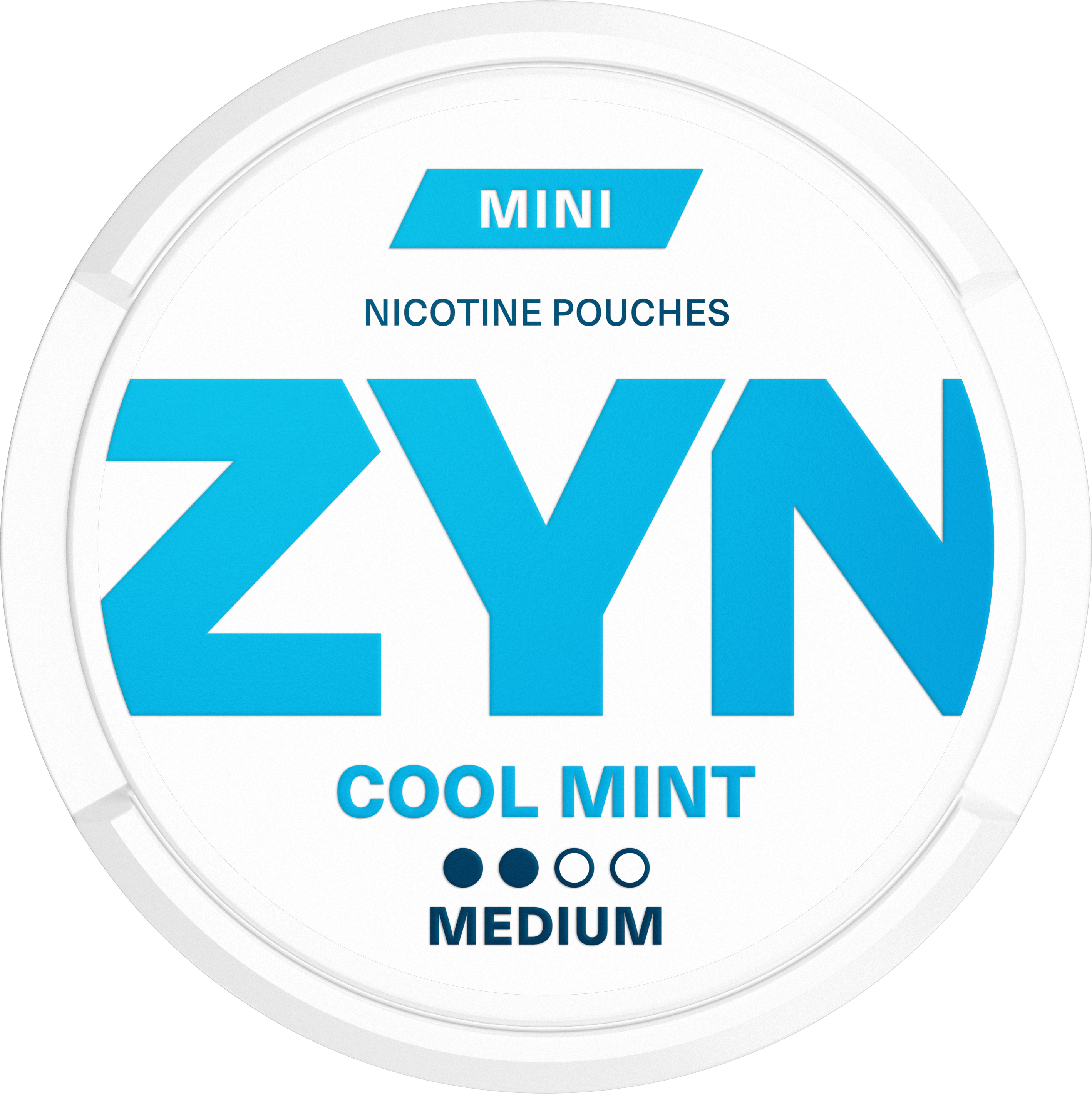
Ever walked into a gas station lately and noticed those colorful little circular tins stacked behind the counter? They’re everywhere. From golf courses to office cubicles, people are "packing a lip" with these small white pouches. Most likely, you’re looking at Zyn.
So, Zyn what is it exactly?
Basically, it’s a nicotine pouch. No tobacco leaf. No smoke. No spitting into a crusty Gatorade bottle. It’s a way to get a nicotine hit that’s basically invisible to everyone else in the room. But while it looks "cleaner" than a cigarette or a big wad of chewing tobacco, the reality is a bit more layered than the marketing might suggest.
Honestly, the rise of Zyn has been meteoric. You’ve probably seen the "Zynfluencers" on TikTok or heard your buddies talk about "upper deckies." It’s become a cultural phenomenon, but underneath the hype, it’s just a delivery system for a very addictive chemical.
How Zyn Actually Works
Here is the deal: Zyn doesn't use tobacco leaves. Instead, it uses nicotine salts. These salts are often derived from tobacco plants, but the plant itself is stripped away. What’s left is a powder that gets mixed with food-grade ingredients like fillers (usually microcrystalline cellulose, which is basically wood pulp), pH stabilizers to help the nicotine absorb, and sweeteners like acesulfame K.
You take one of these little pouches—they look like tiny tea bags—and tuck it between your upper lip and your gum.
Then, the "tingle" starts.
That sensation is the nicotine crossing the mucous membrane in your mouth. It goes straight into your bloodstream, bypassing your lungs entirely. It hits your brain fast. According to some studies, a 6 mg Zyn pouch can actually deliver a higher concentration of nicotine to your blood than a standard cigarette, though it happens a bit more slowly.
What Is Inside That Pouch?
If you flip over a tin, the ingredient list is surprisingly short. This is part of the appeal. People think, Hey, it’s just nicotine and some food stuff. * Nicotine Salt: The active ingredient that keeps you coming back.
- Microcrystalline Cellulose: A plant-based fiber used to give the pouch its bulk.
- Hydroxypropyl Cellulose: A binder often found in vitamins.
- Sodium Carbonates: These are pH adjusters. Without them, your mouth wouldn't absorb the nicotine nearly as well.
- Sweeteners and Flavors: This is why they taste like Peppermint, Coffee, or Citrus instead of a dirty ashtray.
Why Is Everyone Obsessed With It?
The "why" is pretty simple. It's discreet.
You can’t vape on a plane. You definitely can’t light up a Marlboro in a meeting. But you can have a Zyn in while talking to your boss and they’ll never know.
For a lot of people, it’s also seen as a "harm reduction" tool. If you’re trying to quit smoking or vaping, Zyn feels like a bridge. It gets rid of the tar and the lung-searing vapor. However, the FDA hasn’t actually approved Zyn as a smoking cessation aid. That’s a big distinction. While it might be "less harmful" than inhaling combustible smoke, that doesn’t mean it’s "safe."
There's also the focus factor. You’ll hear college students or programmers talk about how a "Zynnie" helps them lock in. Nicotine is a stimulant. It triggers dopamine and adrenaline. It makes you feel alert. Briefly.
The Reality of the Health Risks
We have to talk about the downsides because they’re real.
First off, your gums. Nicotine is a vasoconstrictor. It shrinks your blood vessels. When you keep a pouch in the same spot every day, you’re essentially cutting off the blood flow to that specific patch of gum tissue. Dentists are starting to see "Zyn sores" and gum recession in users. Once that gum line moves, it doesn't just grow back.
Then there's the heart. Because it's a stimulant, Zyn bumps up your heart rate and blood pressure. If you’ve already got a finicky heart, that’s not great news.
And let's not ignore the addiction.
Nicotine is notoriously hard to quit. Because Zyn is so easy to use—you can literally have one in 24/7—people often end up consuming more nicotine than they ever did when they were smokers. It’s not uncommon for users to go through a full tin (usually 15 pouches) in a day or two. That is a massive amount of chemical dependency.
Common Misconceptions About Zyn
A lot of people think Zyn is the same thing as Snus. It isn't.
Snus is a Swedish tobacco product. It contains actual ground-up tobacco leaves. Zyn is "white" or "tobacco-free" because it only uses the nicotine extracted from the plant.
Another myth is that it's "safe for your teeth." While it won't stain your teeth yellow like cigarettes or brown like "dip," the sweeteners and the dry mouth caused by nicotine can actually increase your risk of cavities. Saliva is your mouth's natural defense against tooth decay. When nicotine dries you out, the bacteria have a field day.
The Business of the Pouch
It’s impossible to talk about Zyn what is it without mentioning the money. Philip Morris International (the giants behind Marlboro) bought Swedish Match (the makers of Zyn) for a cool $16 billion.
They saw the writing on the wall.
Smoking is down. Vaping is under heavy regulatory fire. Pouches are the new frontier. In 2024 alone, shipments of Zyn in the U.S. grew by nearly 80%. It’s a gold mine.
Actionable Insights: If You’re Going to Use It (Or Quit It)
If you’re currently using Zyn or thinking about starting, here is the expert's take on how to handle it responsibly.
1. Rotate Your Placement Don't put the pouch in the same spot every time. Move it from the left side to the right side, or even the bottom lip. This gives your gum tissue a chance to recover and reduces the risk of permanent recession.
2. Watch the Milligrams Zyns usually come in 3 mg and 6 mg. If you’re using it to quit smoking, try to stay on the 3 mg. Jumping straight to 6 mg can actually increase your overall nicotine tolerance, making you more addicted than you were before.
3. Don't "Double Pouch" It’s a trend, but it’s a bad one. Doubling up spikes your blood nicotine levels to a point that can cause nausea, dizziness, and extreme heart palpitations.
4. Stay Hydrated Since nicotine causes dry mouth, drink way more water than you think you need. It helps protect your tooth enamel and keeps the "Zyn headache" at bay.
5. Have an Exit Plan Because it's so discreet, it’s easy to let Zyn become a lifelong habit. If you’re using it for harm reduction, set a date to start tapering down. Switch to 3 mg, then maybe to a nicotine-free alternative like Grinds or Teaza.
At the end of the day, Zyn is a tool for some and a trap for others. It's a high-tech version of an age-old habit, stripped of the smoke but still carrying the chemical hook. Understanding what’s actually in that little white pouch is the first step in deciding if you really want it sitting under your lip.
If you’re ready to cut back, start by tracking exactly how many pouches you use in a 24-hour period. Often, we pop them in out of boredom rather than a need for nicotine. Reducing that number by just two pouches a day can significantly lower your dependency over a month.