It starts with a heartbeat, and then, suddenly, everything goes wrong. But in Texas, "going wrong" isn't just a medical crisis anymore—it's a legal one.
The Zurawski v Texas film isn't your standard, dry political documentary. Honestly, it's more of a horror movie where the monster is a set of vague laws and the victims are women just trying to survive their own pregnancies. Directed by Maisie Crow and Abbie Perrault, this 98-minute feature pulls back the curtain on the landmark lawsuit filed by the Center for Reproductive Rights.
You’ve probably seen the headlines about the case, but the film does something the news can't. It sits you in the living rooms of these families. It lets you hear the shaky breath of a woman before she walks into a courtroom to describe the most traumatic day of her life.
The Reality Behind the Lawsuit
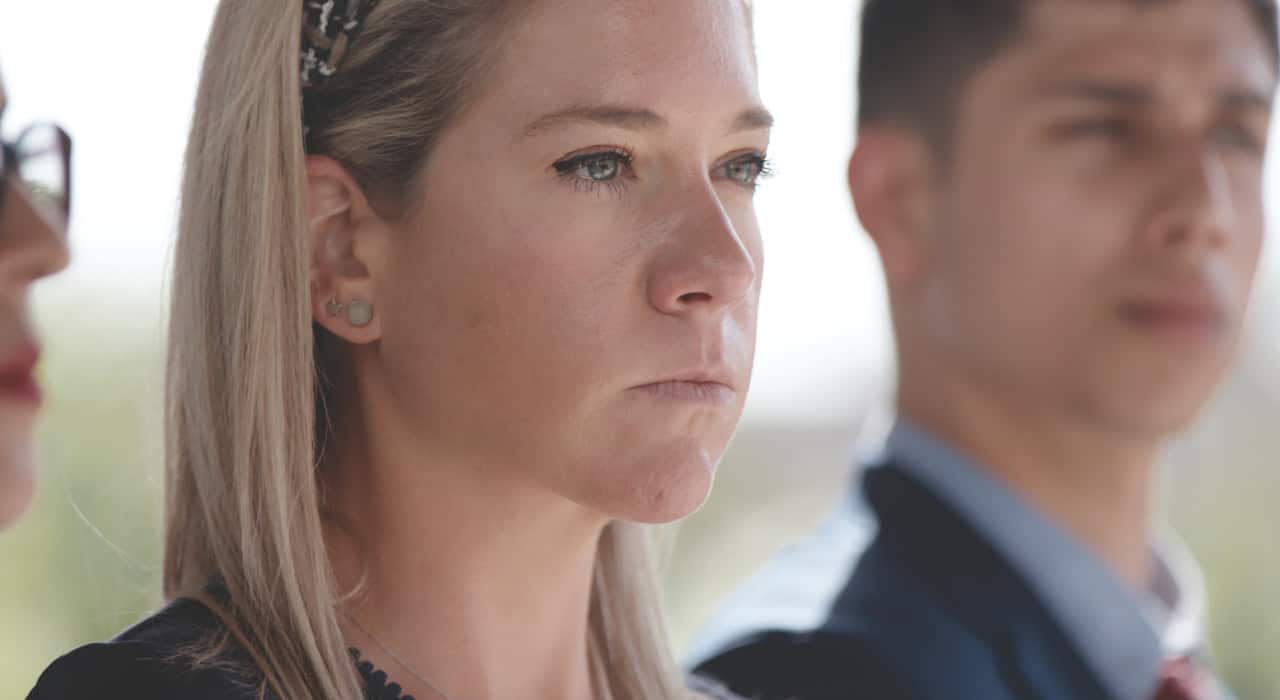
Basically, the documentary follows three main plaintiffs: Amanda Zurawski, Samantha Casiano, and Dr. Austin Dennard.
Amanda’s story is the one that sparked the national firestorm. She wanted her baby. She had a name picked out. But at 18 weeks, her cervix dilated prematurely. The pregnancy was no longer viable. Instead of receiving a standard medical procedure to prevent infection, she was sent home. Why? Because the fetus still had a heartbeat.
She had to wait until she was in septic shock before doctors felt legally "safe" enough to intervene. By then, she was near death. She spent three days in the ICU. One of her fallopian tubes is now permanently closed because of the scarring.
Then there's Samantha Casiano. Her story is arguably the hardest to watch. She was forced to carry a fetus with anencephaly—a fatal condition where the skull and brain don't fully develop—to term. She had to give birth and watch her daughter, Halo, die in her arms four hours later. The film captures the raw, unpolished grief of that experience. It's gut-wrenching.
Why the Zurawski v Texas Film Matters in 2026
The film premiered at the Telluride Film Festival and has been making rounds at festivals like the Hamptons Doc Fest, where it picked up the Artemis Rising Foundation Award for Social Impact.
But why are people still talking about it now?
- It humanizes the "medical exception" loophole. Texas law says abortions are okay to save a mother's life, but it doesn't define when a woman is "close enough" to death.
- It highlights the fear among doctors. Dr. Austin Dennard, an OB-GYN herself, had to flee the state to get her own care. Imagine being a doctor who can’t even treat yourself in your own hospital.
- It shows the shift in traditional voters. One of the most talked-about scenes involves Amanda’s Republican-leaning family. Seeing their daughter nearly die changed how they view the ballot box.
The cinematography is intimate. Maisie Crow, who also served as the Director of Photography, uses a verité style. This means there aren't many "talking heads" against a blue screen. Instead, you're in the car with them. You're at the kitchen table.
A High-Stakes Production Team
It’s worth mentioning who’s behind this. This isn’t a small indie project that’s going to disappear. It’s executive produced by Hillary Clinton, Chelsea Clinton, and Jennifer Lawrence.
Having big names like Lawrence involved helps the film reach people who might usually avoid "political" docs. Lawrence has been vocal about why she joined the project, noting that these issues feel far away until they happen to someone you love.
The legal lead, Molly Duane from the Center for Reproductive Rights, is the connective tissue of the film. She’s the one trying to convince the Texas Supreme Court that "imminent death" is too high a bar for medical care.
What Most People Miss
People often think this film is just about "pro-choice" vs. "pro-life." It's really not.
Most of the women in the film wanted their pregnancies. They had nurseries ready. They were "traditional" mothers in many ways. The film challenges the stereotype of who seeks an abortion. It’s often someone in a medical emergency who desperately wanted to be a parent.
The state’s defense, led by Attorney General Ken Paxton’s office, is portrayed as cold and bureaucratic. In one scene, the state’s lawyers argue that the women didn’t have "standing" to sue because their injuries had already happened. It’s a circular logic that feels dystopian.
Actionable Insights for Viewers
If you're planning to watch the Zurawski v Texas film, here is how you can engage with the topic beyond the screen:
- Look Up Your Local Laws: Don't assume you know the "medical emergency" definitions in your state. Many states have copied Texas's language.
- Support Reproductive Rights Organizations: The Center for Reproductive Rights and the Texas Abortion System are the primary groups mentioned in the film that provide legal and medical aid.
- Host a Screening: The filmmakers have made it relatively easy for community groups to host educational screenings to spark local dialogue.
- Follow the Case Updates: While the Texas Supreme Court ultimately ruled against the plaintiffs in May 2024, the legal battle for clarity continues in various forms across the country.
The film ends on a heavy note. It doesn't offer a "happily ever after" because, for these women, the damage is done. But it does offer a call to action. It asks you to look at the human cost of vague legislation.
Honestly, whether you agree with the laws or not, seeing the physical and emotional toll on these families is something you can't easily shake off. It forces a conversation about what we value more: the letter of the law or the life of the person standing in front of us.
If you're looking for a deep dive into the intersection of medicine, law, and human rights, this is the most important film you'll see this year.