Honestly, if you think about the Miss Universe pageant 2006, the first thing that probably pops into your head isn't the crown. It’s that terrifying moment a 18-year-old girl in a heavy metal dress collapsed during a press conference. That was Zuleyka Rivera. She had just been named the most beautiful woman in the world, and minutes later, she was unconscious. It was a wild night in Los Angeles.
July 23, 2006. The Shrine Auditorium was packed. This wasn’t just another beauty contest; it was the year the pageant tried to feel a bit more "Hollywood." They had Access Hollywood’s Carlos Ponce and Nancy O'Dell hosting. It felt big. It felt expensive. But underneath the glitter, there was this palpable tension because the frontrunners were incredibly strong, and the eventual winner was someone people either loved or found a bit too "theatrical."
The Puerto Rican Powerhouse: How Zuleyka Won
Puerto Rico takes pageantry seriously. Like, really seriously. Zuleyka Rivera wasn't just a contestant; she was a manufactured force of nature. When she walked onto that stage, she didn't just walk—she performed. Her evening gown is still talked about in pageant circles today as one of the most iconic, yet impractical, choices in history. It was made of metal chains. It weighed a ton. Literally.
Some people thought she was over-acting. Her facial expressions were intense, her walk was aggressive, and she had this "I’m winning this" energy that turned off some viewers but absolutely mesmerized the judges. You have to remember the judging panel included people like James Lesure and María Celeste Arrarás. They weren't looking for "girl next door." They wanted a star.
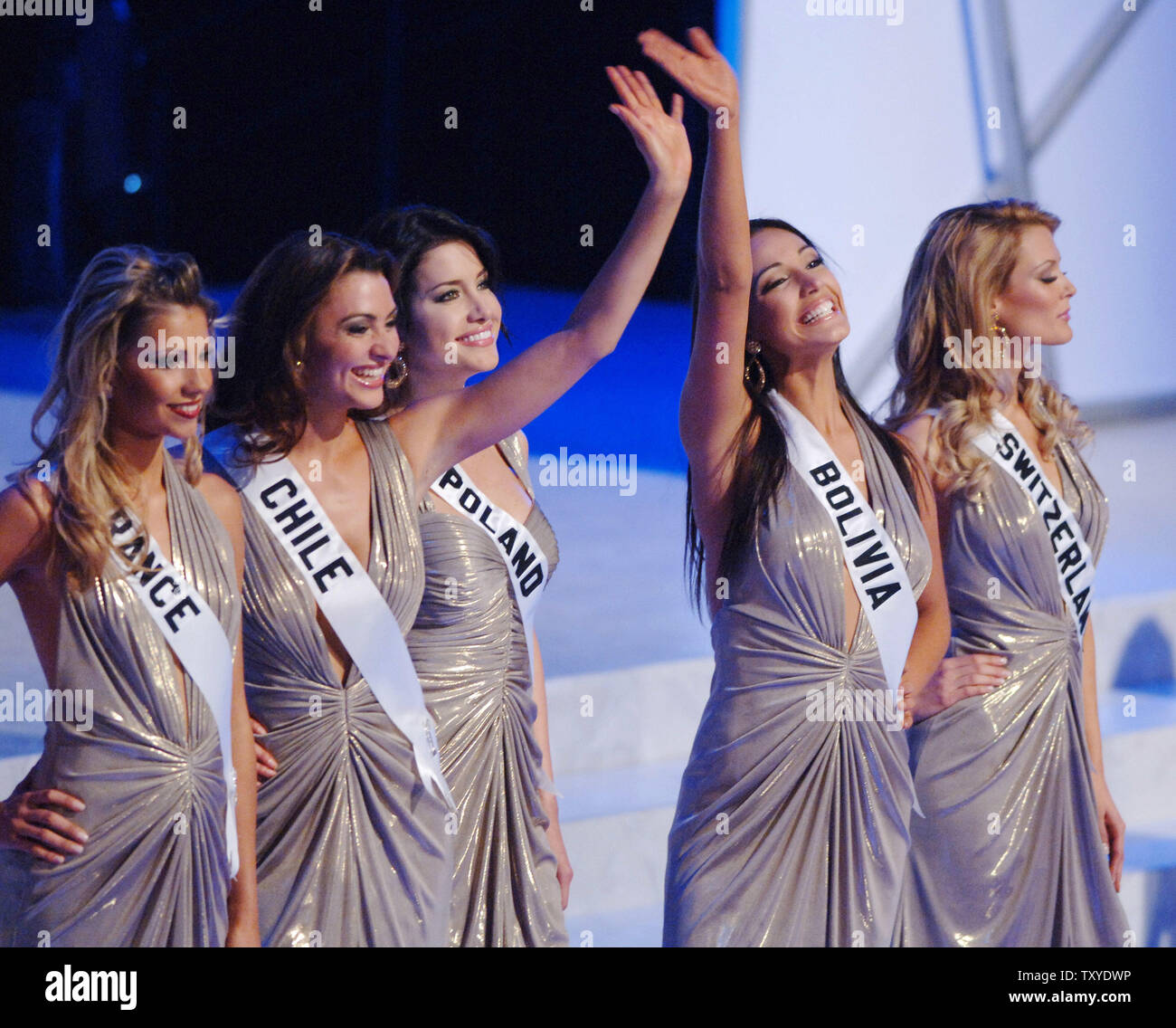
By the time the Top 5 were announced, it was a battle of the titans. You had Kurara Chibana from Japan, who was a massive fan favorite. Then there was Lauriane Gilliéron from Switzerland, Lourdes Arevalos from Paraguay, and Tara Conner from the USA. When it got down to Japan and Puerto Rico, the room was electric. Japan hadn't won since 1959. Puerto Rico was looking for their fifth title. When Zuleyka’s name was called, it cemented Puerto Rico as a pageant superpower, but the celebration was short-lived.
The Collapse Heard 'Round the World
The heat in the Shrine Auditorium was no joke. Combine that with the adrenaline, the restrictive metal dress, and the fact that these women often don't eat much on finals day, and you have a recipe for disaster. During the post-pageant press conference, Zuleyka just... went down. It was scary. People thought she had a heart issue or something worse.
Turns out, it was just heat exhaustion and the weight of the gown. But it served as a stark reminder of the physical toll these competitions take. It wasn't just about looking pretty; it was an endurance test. Zuleyka recovered quickly, but that image of her being carried out is arguably more famous than the coronation itself.
The Kurara Chibana Factor: Why Japan Almost Won
If you talk to any "pageant patty" (the hardcore fans), they will tell you Japan was robbed. Kurara Chibana was something different. She was sophisticated, she spoke multiple languages, and her "samurai" inspired national costume was a total game-changer. It won the Best National Costume award, and for good reason. It was fierce.
Japan's performance in the Miss Universe pageant 2006 marked a shift in how Asian contestants were viewed. Before this, many Asian delegates were styled in a very traditional, almost passive way. Kurara was bold. She was a journalist. She brought an intellectual edge that made the "theatrical" style of Zuleyka look a bit dated to some critics. The gap between them was razor-thin.
The Top 5 Breakout
- Zuleyka Rivera (Puerto Rico): The winner who proved that high-drama works.
- Kurara Chibana (Japan): The first runner-up who redefined the "Modern Asian Woman" on the global stage.
- Lauriane Gilliéron (Switzerland): Their highest placement ever. She was stunning and very "classic."
- Lourdes Arevalos (Paraguay): A surprise to some, but her elegance was undeniable.
- Tara Conner (USA): She stayed in the news later for very different reasons, but that night, she was the quintessential American sweetheart.
Tara Conner and the Scandal That Followed
You can't talk about 2006 without mentioning the aftermath involving Miss USA, Tara Conner. While she finished as 4th runner-up, her year became a tabloid dream. Later that year, reports surfaced of her underage drinking and drug use in New York City. Donald Trump, who owned the pageant at the time, famously gave her a "second chance" rather than stripping her of the title.
It was a PR circus. It changed the way the Miss Universe Organization (MUO) handled their winners. They became much stricter about the "living in NYC" aspect of the job. It also highlighted the immense pressure these young women, like Tara and Zuleyka, were under. One collapsed from a dress; the other spiraled under the spotlight.
The Judging and the "Trump" Era
In 2006, the pageant was still very much under the thumb of Donald Trump. You could see the influence in the production. It was flashy. It was aimed at NBC’s primetime audience. The "Look" of the mid-2000s was very specific: heavy tan, big hair, and even bigger personalities.
The judging panel was a mix of fashion and entertainment. You had fashion photographer Patrick Demarchelier and even sports figures like Emmitt Smith. This mix meant that the winner didn't just need to be a model; she needed to be a brand. Zuleyka, with her fiery personality, fit the "brand" perfectly. She was someone people would talk about.
Why 2006 Still Matters to Fans Today
Looking back, the Miss Universe pageant 2006 was a turning point. It was the end of the "old school" glamour and the beginning of the hyper-produced, reality-TV style era. It also saw the rise of the "mega-favorites." Before social media was huge, 2006 was one of the first years where internet forums like Missosology and Global Beauties really started influencing the narrative of who "should" win.
The fan bases were becoming more organized. The "Screaming Filipinos" and the "Puerto Rican Powerhouses" were making their voices heard online. When Zuleyka won over Kurara, the internet basically exploded. It was the first "viral" pageant controversy of the digital age.
Fun Facts You Probably Forgot
- Natalie Glebova's Farewell: The 2005 winner from Canada gave one of the most graceful farewells. She’s still one of the most active former winners.
- The Venue: The Shrine Auditorium is legendary. It’s hosted the Oscars and the Grammys. It gave the 2006 pageant a weight that modern venues sometimes lack.
- The Music: 2006 featured Chelo performing "Cha Cha." It was very mid-2000s Latin pop.
Lessons from the 2006 Pageant
What can we actually learn from Zuleyka’s win? First, that "playing safe" rarely wins the crown. She took a massive risk with that dress and that walk. It could have gone horribly wrong, but she leaned into it. Second, the physical preparation is often underestimated. That collapse wasn't a fluke; it was the result of a grueling schedule that hasn't really changed much since then.
If you're looking into the history of these events, 2006 is the perfect case study on how to handle (or not handle) the pressure of the crown. It shows the shift in global beauty standards—moving from the traditional European look toward a more diverse, high-fashion aesthetic that included the fierce Asian and Latin presence we see dominating today.
To understand the Miss Universe pageant 2006, you have to look past the crown. Look at the fatigue. Look at the fan wars. Look at the transition of a 18-year-old girl from a small town in Puerto Rico to a global celebrity who literally couldn't stand up under the weight of her own success.
Next Steps for Enthusiasts:
If you want to dive deeper into the technical side of why Zuleyka won, go back and watch the "Final Look" segment on YouTube. Pay attention to the camera angles. Notice how Zuleyka stays in her light while others occasionally drift. Then, compare the 2006 judging criteria to the current "leadership" and "impact" focused criteria of the 2020s. The difference is staggering. In 2006, it was about the show. Today, it’s about the "story."