Zucchini is basically the chameleon of the vegetable drawer. You’ve probably seen it turned into fake pasta, hidden in chocolate muffins, or just sitting there getting soft in the crisper bin because you forgot about it. But if you actually look at zucchini nutrition facts, this summer squash is way more than just a low-carb filler. It’s actually a powerhouse.
Most people think it’s just water. They’re wrong.
While a zucchini is about 95% water, the remaining 5% is packed with specific phytonutrients that your body craves. We’re talking about things like lutein and zeaxanthin. These aren't just fancy words; they are the primary antioxidants that keep your eyes from failing as you age. Honestly, it’s one of the easiest ways to get your vitamins without feeling like you’re eating a "health food."
Why Zucchini Nutrition Facts Often Get Overlooked
People ignore zucchini because it’s cheap. It's everywhere. In peak summer, gardeners are practically begging people to take it off their hands. Because it's so common, we assume it's "basic."
The USDA FoodData Central database lists one medium zucchini (about 196 grams) as having only 33 calories. That’s nothing. You’ve probably burned more calories just reading this paragraph. But within those 33 calories, you get 2 grams of protein and zero fat. More importantly, you get about 40% of your daily Vitamin C requirement.
The Skin Is Where the Magic Happens
If you peel your zucchini, you’re making a huge mistake. Stop doing that. The skin is where the fiber lives. It’s also where the highest concentration of antioxidants resides. The darker the skin, the more nutrients it likely holds.
According to research published in the Journal of Agriculture and Food Chemistry, the skin of the Cucurbita pepo (the scientific name for our green friend) contains significantly higher levels of phenolic compounds compared to the flesh. These compounds help your body fight oxidative stress. Basically, they keep your cells from rusting.
The Blood Sugar Connection
Let's talk about insulin. Many people gravitate toward zucchini nutrition facts because they are trying to manage Type 2 diabetes or just want to stop the mid-afternoon energy crash. Zucchini is a superstar here.
It has a glycemic load of... well, almost nothing.
Because it’s so high in water and fiber, it slows down the absorption of sugars in your gut. This prevents those massive insulin spikes that lead to fat storage and brain fog. If you swap out a bowl of grain-based pasta for "zoodles," you aren't just cutting calories; you are fundamentally changing how your endocrine system responds to that meal. It’s a metabolic hack that actually tastes good if you don't overcook it. Nobody likes soggy squash. Keep it al dente.
Potassium Power: More Than a Banana?
We’ve been told since kindergarten that bananas are the kings of potassium. That’s a bit of a marketing myth. While a banana is great, a medium zucchini provides roughly 500mg of potassium. That is about 10-15% of what you need for the whole day.
Why do you care? Because potassium is the "anti-sodium."
If you eat a lot of processed food or hit the salt shaker too hard, your blood pressure goes up. Potassium helps your kidneys flush out that extra salt. It relaxes your blood vessel walls. It keeps your heart beating in a regular rhythm. It’s literal fuel for your cardiovascular system.
Digestion and Your Microbiome
Fiber is a boring topic until you don't have enough of it. Then it's the only thing you can think about. Zucchini contains both soluble and insoluble fiber.
- Soluble fiber (like pectin) feeds the "good" bacteria in your gut. These bacteria then produce short-chain fatty acids that reduce inflammation in the brain and colon.
- Insoluble fiber adds bulk. It keeps things moving.
If you struggle with bloating, zucchini is often safer than "heavy" cruciferous vegetables like broccoli or cauliflower, which can cause gas in some people. Zucchini is gentle.
Vitamins You Didn’t Know You Were Eating
When we look at the raw data of zucchini nutrition facts, Vitamin B6 pops up. This is a big deal for mental health. B6 is a co-factor in the production of serotonin and dopamine. If you’re feeling a bit sluggish or moody, check your B-vitamin intake.
Then there’s Manganese. Most people couldn't tell you what manganese does if you paid them. But this trace mineral is essential for bone formation and skin integrity. It helps your body produce collagen. If you want that "glow," skip the expensive creams for a second and eat more squash.
Common Misconceptions About Cooking Zucchini
There is a huge debate in the nutrition world about raw vs. cooked. Some people swear that cooking kills nutrients. With zucchini, it’s a bit of a toss-up.
Vitamin C is heat-sensitive. If you boil zucchini until it’s gray, you’ve killed the Vitamin C. It's gone. However, cooking actually makes the Vitamin A (in the form of beta-carotene) more bioavailable. Your body can absorb it better once the cell walls are softened by heat.
The best way to preserve the zucchini nutrition facts? Steam it lightly or sauté it quickly in a healthy fat like olive oil or avocado oil. Since Vitamin A is fat-soluble, eating it with a little oil actually helps your body pull the nutrients out of the veggie and into your bloodstream.
Varieties Matter
Yellow squash vs. Green zucchini? They are almost identical nutritionally. The yellow ones often have a bit more folate, which is crucial for DNA repair. The dark green ones usually have more chlorophyll. Honestly, just eat the one that looks the freshest at the farmer's market.
The Manganese and Eye Health Factor
I mentioned lutein earlier, but it’s worth a deeper look. The American Optometric Association highlights lutein as a key component in preventing Macular Degeneration. Your eyes literally filter blue light using these pigments. Zucchini is one of the top sources of these "internal sunglasses."
If you spend all day staring at a laptop screen, your eyes are taking a beating. Eating zucchini isn't going to give you 20/20 vision overnight, but it provides the raw materials your eyes need to repair damage from HEV (high-energy visible) light.
How to Actually Use This Information
Knowing the facts is one thing. Doing something is another. You don't need to go on an all-zucchini diet. That would be weird.
Instead, look at it as a volume-filler. If you’re making a turkey burger, grate half a zucchini into the meat. It keeps the meat moist and sneaks in fiber. If you're making a smoothie, throw in half a cup of frozen zucchini. It makes the smoothie creamy without adding the sugar of an extra banana. You won't even taste it.
Practical Next Steps for Your Health
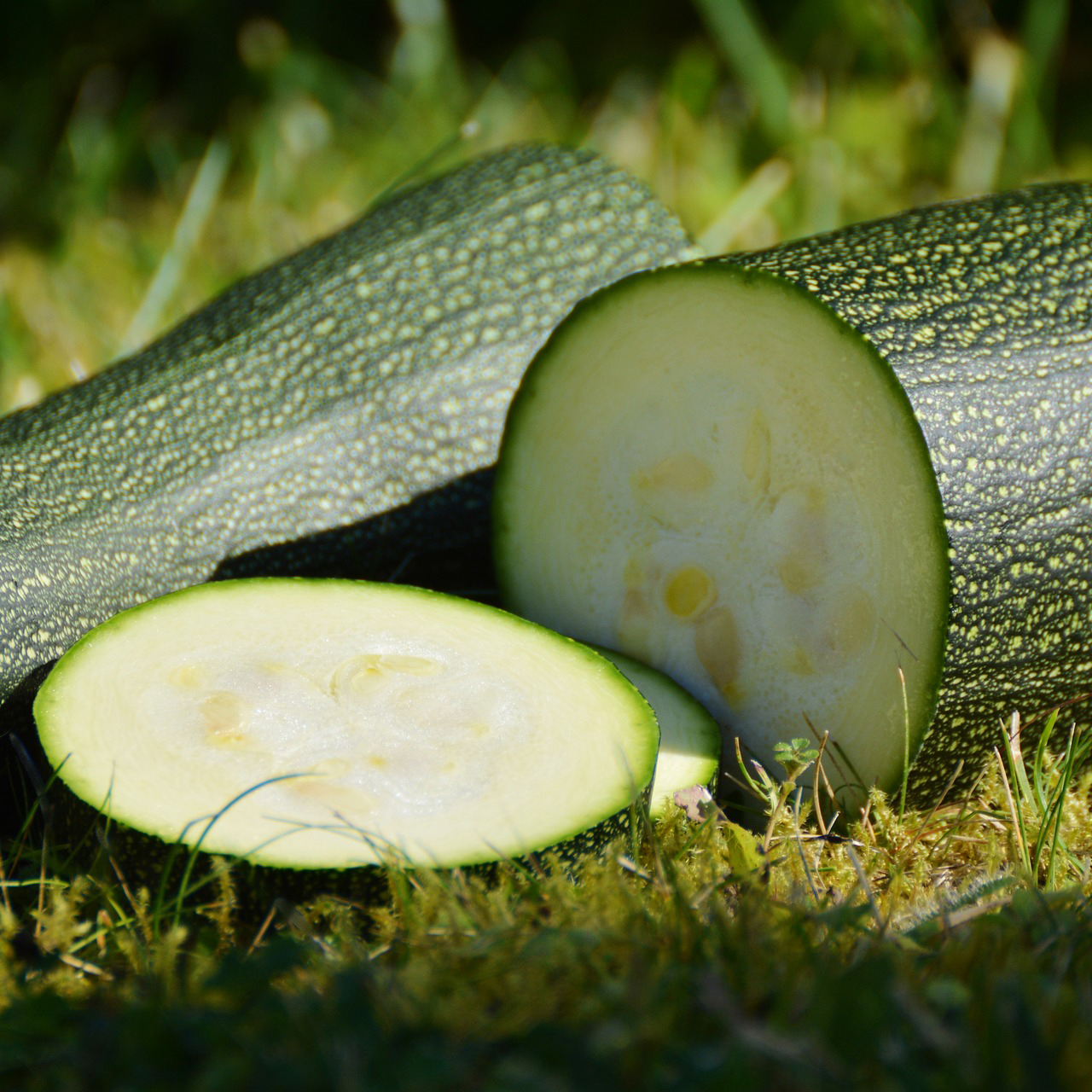
Start by buying small to medium zucchinis. The giant ones—the ones that look like baseball bats—are actually less nutritious. They are mostly water and have huge, bitter seeds. The smaller ones are more nutrient-dense and taste way better.
Keep the skin on. Always. Even if a recipe tells you to peel it, don't. That’s where the fiber and the eye-protecting antioxidants live.
Try a "half-and-half" approach. If you aren't ready to give up pasta, mix 50% spaghetti with 50% zucchini noodles. You get the texture of the pasta with the zucchini nutrition facts and a significantly lower glycemic impact.
Lastly, store them dry. Moisture is the enemy of the zucchini. Wrap them in a paper towel in the fridge to keep them firm for up to a week.
Your body needs micronutrients to function, and zucchini is one of the most efficient, low-calorie ways to deliver them. It’s not a miracle cure, but it’s a very smart addition to a plate that’s usually too heavy on starch and too light on greens.