You’ve been there. You grate the squash, mix in the eggs, and drop a dollop of batter into the shimmering oil, expecting a crisp, golden-brown masterpiece. Instead? You get a sad, limp pancake that tastes more like steamed mush than a vegetable fritter. It’s frustrating. Honestly, most people mess up zucchini fritters with feta cheese because they treat zucchini like a normal vegetable. It isn't. It’s a water balloon disguised as produce.
Zucchini is roughly 95% water. If you don't fight that moisture with everything you've got, you’ve already lost the battle.
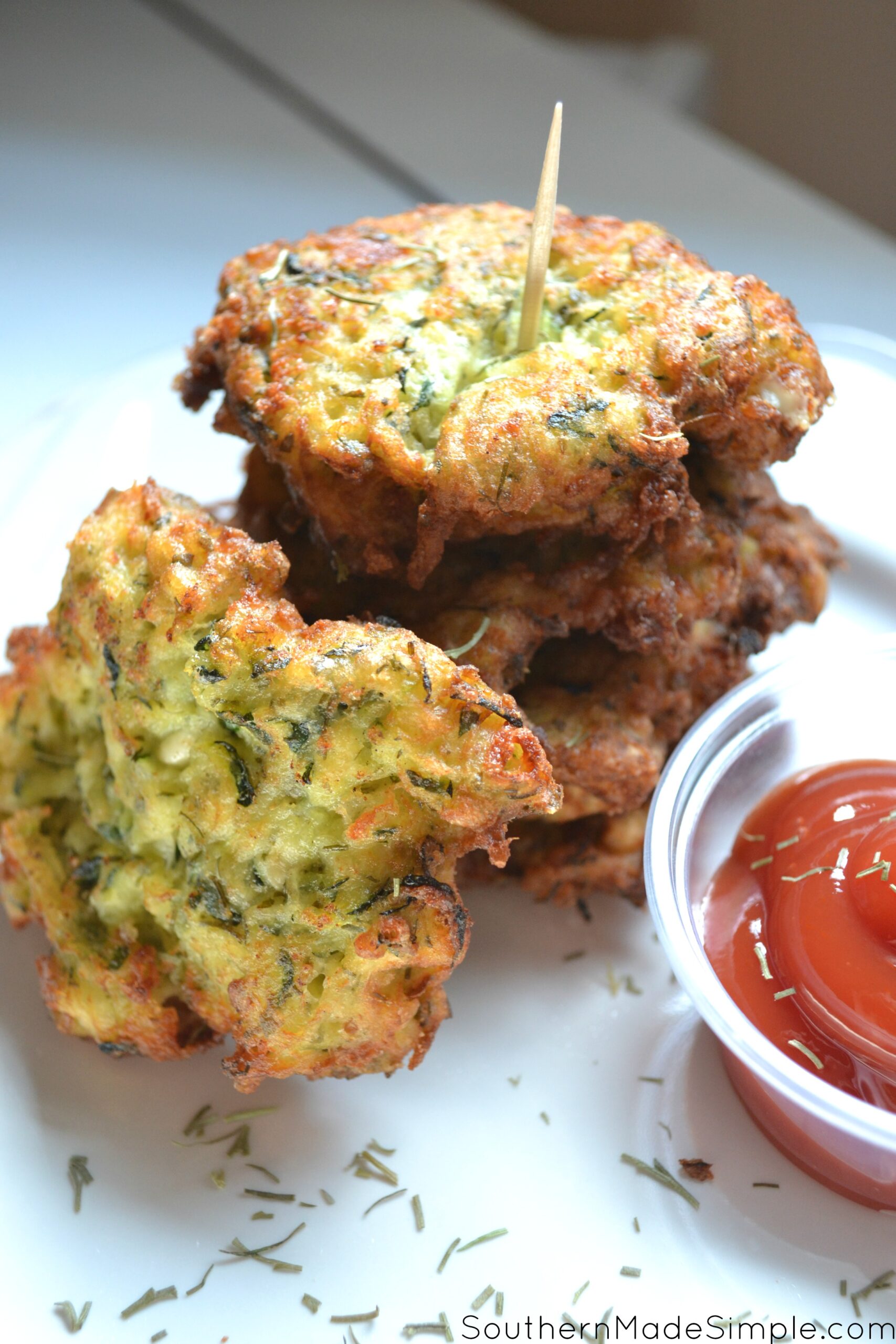
These fritters—often called kolokithokeftedes in Greek tavernas—are supposed to be a study in contrasts. You want that jagged, crunchy exterior that shatters when you bite it, followed immediately by a creamy, salty interior where the feta has just barely hit its melting point. It’s a delicate balance. Get it right, and you’re a kitchen hero. Get it wrong, and you’re eating soggy green goop.
The Science of the Squeeze
If you skip the salt-and-drain method, just stop now. Seriously. To make decent zucchini fritters with feta cheese, you have to draw the moisture out through osmosis. You grate the zucchini—use the large holes of a box grater—and then you toss it with a heavy pinch of kosher salt. Let it sit in a colander for at least 15 minutes.
You’ll see a puddle form underneath. That’s the enemy.
But sitting isn't enough. You need to get aggressive. Wrap that shredded mess in a clean kitchen towel or cheesecloth and wring it out like it owes you money. You will be shocked at how much liquid comes out. I’ve seen two large zucchinis produce nearly a cup of green water. If that water stays in the bowl, it turns your flour into paste and steams the fritter from the inside out.
Expert chefs like J. Kenji López-Alt have noted that this cellular breakdown is what allows the starch to actually bond to the vegetable fibers rather than just floating in a slurry. It's the difference between a fritter and a swamp.
Why Feta is the Non-Negotiable Backbone
You might think you can swap the feta for mozzarella or cheddar. You can't. Well, you can, but it won’t be the same dish. Feta is crucial because it has a high melting point. While other cheeses turn into an oily puddle at high heat, feta softens but maintains its structural integrity. It gives you those little pockets of intense, briny flavor that cut through the richness of the fried batter.
Don’t buy the pre-crumbled stuff. It’s coated in cellulose or potato starch to keep the pieces from sticking together, which ruins the texture of the fritter. Buy a block of sheep’s milk feta—ideally something from Greece or Bulgaria—and crumble it yourself into chunky, uneven bits. The variation in size means some bites are subtle and others are a salty explosion.
The Herb Ratio Matters
Most recipes are too stingy with the greens. You aren't just making "zucchini pancakes"; you’re making a herb-forward snack.
- Fresh Dill: This is the soul of the dish. It provides a feathery, anise-like sweetness.
- Mint: Don't skip this. It sounds weird, but mint provides a cooling counterpoint to the salty feta.
- Scallions: Use both the white and green parts for a sharp, oniony bite that doesn't overwhelm the palate.
- Parsley: Flat-leaf only. It adds that "green" brightness that keeps the fried food feeling light.
Mastering the Fry: Heat and Oil Selection
I see people using extra virgin olive oil for frying these all the time. That’s a mistake. While it’s great for flavor, its smoke point is generally too low for the sustained medium-high heat needed for a crispy zucchini fritter with feta cheese. You want a neutral oil with a higher smoke point, like grapeseed or avocado oil. If you really want that olive oil flavor, do a 50/50 split.
The oil needs to be hot—about 350°F or 175°C. If it’s too cold, the batter just soaks up the grease. If it’s too hot, the outside burns before the middle is cooked through.
Use a cast-iron skillet if you have one. The thermal mass helps maintain a steady temperature even when you drop cold batter into the pan. And for heaven's sake, don't crowd the pan. If you put too many fritters in at once, the temperature of the oil drops, and you’re back to Soggy Town.
Binding Without the "Breadiness"
A common pitfall is adding too much flour. You want just enough to hold the components together. If you use too much, you end up with a dense, bready puck. Some people swear by panko breadcrumbs for extra crunch, but a mix of all-purpose flour and a teaspoon of baking powder usually does the trick. The baking powder creates tiny carbon dioxide bubbles as it hits the heat, making the fritter airy and light.
Some modern variations use chickpea flour (besan). This is a great gluten-free alternative that actually adds a nutty depth to the flavor profile, though it does make the texture slightly denser.
Common Misconceptions About Zucchini Fritters
A lot of people think you have to peel the zucchini. Don't. The skin is where the color is, and it provides a necessary bit of "snap" to the texture. Plus, once it’s grated and fried, you won’t even notice it’s there.
Another myth? That you should make the batter ahead of time. This is a recipe for disaster. Even after you wring out the zucchini, the salt will continue to draw out moisture. If the batter sits for an hour, it will turn watery. Mix your dry ingredients and wet ingredients separately, and only combine them when the oil is hot and you’re ready to drop them in.
The Dipping Sauce is Half the Battle
A zucchini fritter with feta cheese needs an acid to cut through the fat. A thick, garlicky Tzatziki is the classic choice. We’re talking full-fat Greek yogurt, grated cucumber (also squeezed dry!), lemon juice, and a massive amount of minced garlic.
If you want something different, try a lemon-tahini drizzle or even a spicy harissa yogurt. The goal is contrast. You want cold, creamy, and sharp against the hot, crunchy, and salty fritter.
Troubleshooting Your Batch
If your fritters are falling apart in the pan, your batter is likely too wet or you haven't used enough binder. Add another tablespoon of flour. If they are browning too fast, turn the heat down. If they taste bland, you probably didn't season the batter itself—remember, even though the feta is salty, the zucchini and flour need their own seasoning.
Actionable Steps for the Perfect Fritter
To ensure your next batch is world-class, follow this specific workflow:
- Grate and Salt: Shred the zucchini and salt it immediately. Wait 20 minutes.
- The Big Squeeze: Use a tea towel. Wring it until your forearms ache. You want a dry ball of zucchini "lint."
- Chunky Feta: Hand-crumble the feta into pea-sized bits.
- Dry Mix First: Whisk your flour, baking powder, and spices in a separate bowl to avoid overmixing the final batter.
- Small Batches: Fry only 3 or 4 at a time.
- Drain Properly: Place finished fritters on a wire rack, not a paper towel. Paper towels trap steam, which makes the bottom of the fritter soft. A wire rack allows air to circulate.
The reality is that great cooking isn't about following a list of ingredients; it’s about managing moisture and temperature. Once you respect the zucchini's water content, you'll never settle for a soggy fritter again. Eat them while they're hot, preferably with a cold glass of Assyrtiko or a crisp lager. They don't keep well, but honestly, there are rarely any left over anyway.