You've probably been there. You have a crisper drawer full of half-wilted vegetables and a vague sense of guilt. You want to be healthy, but the idea of another bland, watery stir-fry makes you want to order a pizza instead. Honestly, zucchini and carrot recipes usually get a bad rap because people treat them like diet food rather than actual ingredients. If you just toss them in a pan with some salt and hope for the best, you’re going to be disappointed. It's about moisture control. That's the secret.
Zucchini is basically a sponge made of water. Carrots are fibrous and sweet. When you put them together, you’re balancing sugar and hydration, but if you don't know how to handle the "weeping" effect of a salted zucchini, your dinner turns into a soggy mess. I’ve spent years tinkering with garden harvests, and the difference between a "healthy" meal and a "delicious" meal is often just five minutes of prep work.
The moisture problem most people ignore
Stop just chopping and dropping. If you’re making something like a fritter or a quick bread, the water content in your zucchini will ruin the structural integrity of the dish. I’m not exaggerating. A single medium zucchini can be up to 95% water. When you grate it for zucchini and carrot recipes, you’re essentially creating a vegetable slushie.
Here is what you do: grate the zucchini first. Throw it in a clean kitchen towel. Squeeze it. No, squeeze it harder. You want to see a literal stream of green liquid hitting the sink. Once you think it’s dry, squeeze it one more time. Now, your carrots are different. They don't have that same water-shedding issue, but they do take longer to cook. This is why most amateur recipes fail; the zucchini turns to mush before the carrots even soften. You have to account for that stagger.
Why the "Shred and Bake" method wins
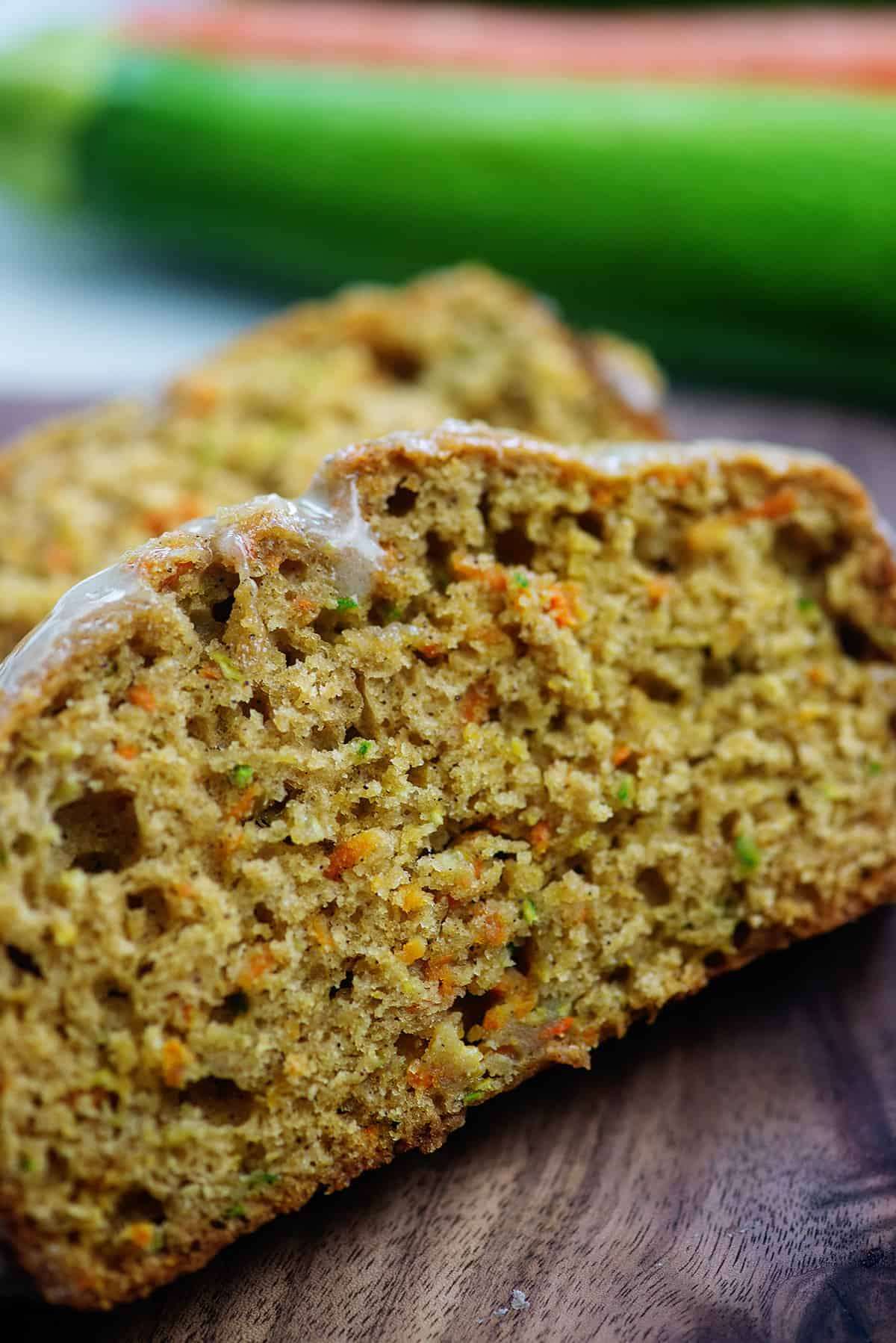
Baking is arguably the best way to utilize this pairing because the dry heat of an oven helps evaporate that lingering moisture while caramelizing the natural sugars in the carrots. Think about a classic morning glory muffin or a savory vegetable loaf. You get that earthy sweetness from the carrot and the structural bulk from the zucchini without the grease of frying.
I remember talking to a baker in Vermont who swore by adding a dash of nutmeg to any savory zucchini and carrot mix. It sounds weird. It works. The nutmeg bridges the gap between the vegetal notes of the squash and the sweetness of the root vegetable. It gives the dish a "what is that?" quality that makes people ask for the recipe. Also, use a coarse grate. If you use a microplane or a fine grater, you’re just making baby food. You want texture. You want to see the flecks of orange and green.
The Maillard reaction and your skillet
If you’re going for a sauté, you need high heat and a heavy pan. Cast iron is king here. You want the carrots to hit the pan first. Give them a three-minute head start. They need that time to break down the cellulose. Then, and only then, do you add the zucchini.
- Heat: Medium-high is your friend.
- Fat: Butter adds flavor, but olive oil handles the heat better. Use both.
- Crowding: Don't do it. If the pan is too full, the vegetables steam instead of sear.
I've seen so many people try to make "zoodles" with carrots mixed in, and it’s usually a watery disaster because they salt the pan too early. Salt draws out water. If you salt the veggies the moment they hit the oil, you're boiling them in their own juices. Salt at the very end. Just before you take it off the heat. It keeps the zucchini snappy and the carrots vibrant.
Savory vs. Sweet: The identity crisis
The versatility of zucchini and carrot recipes is actually their biggest weakness because people get confused about what they’re trying to achieve. Are we making a side dish or a dessert?
In a sweet context, like a spiced cake, these vegetables aren't there for flavor. They’re there for crumb. The carrot provides a chewy texture and natural sugars (glucose and sucrose), while the zucchini acts as a fat replacer, keeping the cake moist without needing a cup of oil. If you’re doing a savory pancake—think Korean pajeon style—you need to lean into the aromatics. Scallions, ginger, and maybe a bit of soy sauce. The carrot provides the crunch that the zucchini lacks once it hits the heat.
Beyond the basic salad
We need to talk about roasting. Most people don't roast shredded vegetables, but you absolutely should. If you toss shredded carrots and thinly sliced zucchini rounds with cumin, coriander, and a bit of harissa, then spread them thin on a sheet pan at 425 degrees? Magic. The edges of the zucchini get crispy—almost like chips—while the carrots turn into candy.
It’s a different experience than the usual steamed medley. It's aggressive. It's flavorful. It actually stands up to a piece of grilled protein. According to food scientists like J. Kenji López-Alt, the surface area is everything. By shredding or thinly slicing, you increase the area available for browning, which is where all the flavor lives.
The science of the "Squeeze"
If you’re still skeptical about the towel-squeezing method, let's look at the chemistry. When you grate a vegetable, you’re rupturing the cell walls. This releases the vacuole contents—mostly water. In a batter, this extra water interferes with the gluten formation and the leavening agents. Your baking powder can't fight a flood. By removing that water manually, you control the hydration of your dough or batter, leading to a consistent rise every time.
Flavor pairings that actually work
- Feta and Dill: The saltiness of the cheese cuts through the carrot's sugar.
- Curry Powder and Toasted Walnuts: Adds an earthy depth and much-needed crunch.
- Lemon Zest and Red Pepper Flakes: Brightens the whole dish and masks any "earthy" aftertaste.
- Parmesan and Garlic: The gold standard for a reason.
Common mistakes to stop making right now
First, stop peeling your zucchini. The skin is where the nutrients are, and it provides the only bit of structural integrity the vegetable has. Plus, the green color looks great against the orange carrots. Second, don't overprocess. If you use a food processor with the blade attachment instead of the shredding disk, you’ll end up with a gray paste. It’s unappetizing.
Also, consider the age of your vegetables. Large, "baseball bat" zucchinis from the end of the summer are full of huge, tough seeds. They’re bitter. If you’re using those, you have to scoop out the seedy middle before grating. Younger, smaller zucchinis are much sweeter and have a better texture for quick-cook recipes. Carrots are more forgiving, but if they’ve gone limp in the fridge, soak them in ice water for thirty minutes. They’ll crisp right back up.
Actionable steps for your next meal
Don't just read this and go back to steaming bags of frozen peas. Take that bag of carrots and those two zucchinis on your counter and actually do something with them.
Start by making a simple batch of vegetable fritters. Grate two carrots and one large zucchini. Do the "towel squeeze" on the zucchini. Mix them in a bowl with two eggs, half a cup of flour (or almond flour if you're gluten-free), a handful of scallions, and a heavy pinch of salt and pepper. Fry them in a skillet with enough oil to actually coat the bottom.
Don't flip them too early. Wait for that deep golden-brown crust to form. Serve them with a dollop of Greek yogurt mixed with lemon juice. It’s a meal that feels expensive but costs about three dollars to make. Once you master the moisture control, you’ll realize these aren't just filler vegetables—they’re the headline act.
Get your grater out. Squeeze the water out. Crank the heat up. Your dinner will be better for it.