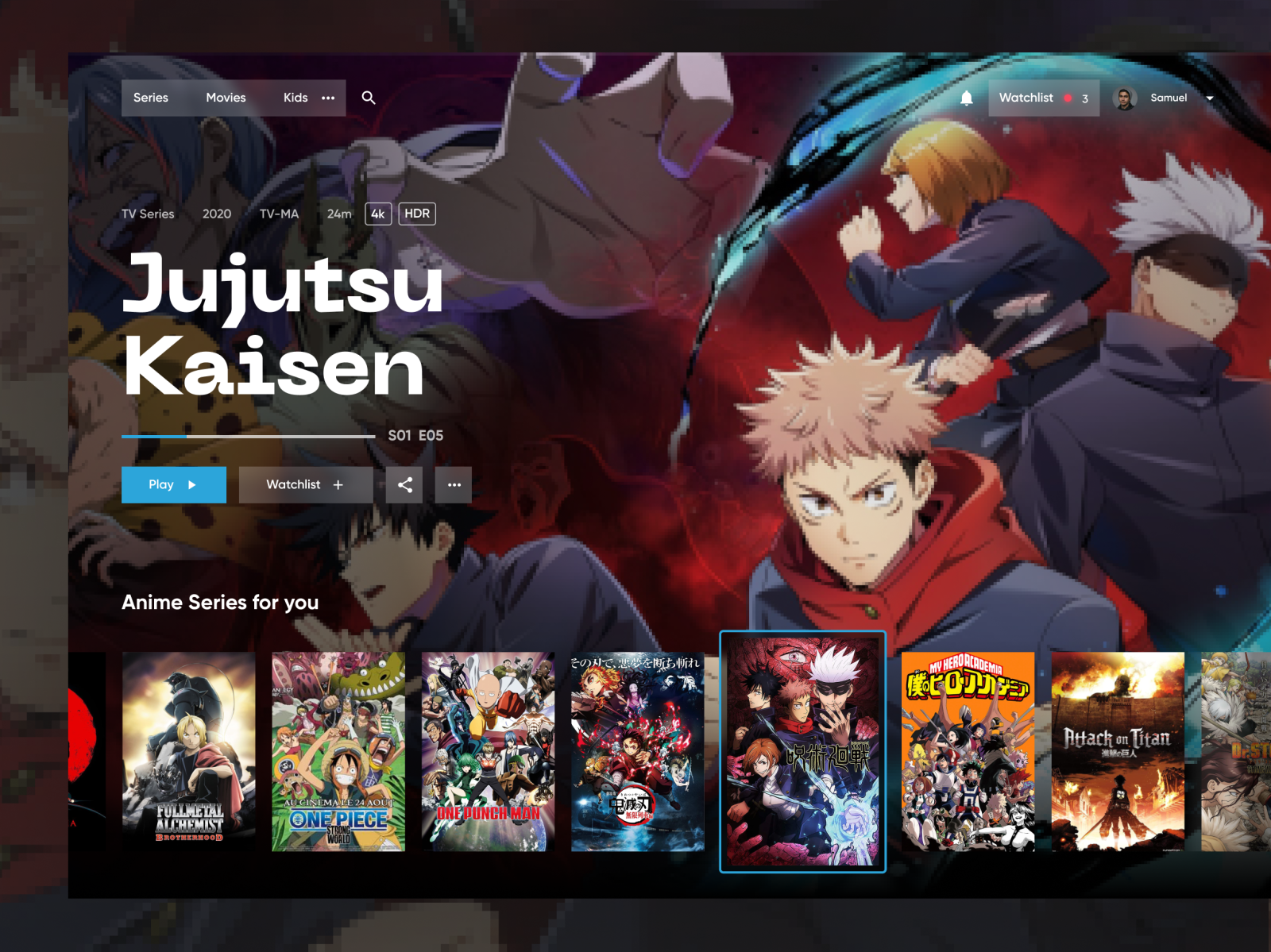
Honestly, the internet moves way too fast for its own good. If you were around the anime scene in late 2023 or 2024, you probably remember the absolute chaos when Zoro.to—once the undisputed king of pirate streaming—suddenly vanished. It didn't just go down for maintenance; it got "acquired" and turned into AniWatch, leaving millions of fans wondering where their watchlists went. But lately, there’s been a ton of chatter about Zoro - automated anime streaming platform 2.0. People are searching for it like it’s some secret revival or a new high-tech successor that’s going to fix everything wrong with modern streaming.
Is it a real thing? Sorta. But it’s not exactly what the rumors make it out to be.
The Myth of the "Automated" Successor
When people talk about an "automated" 2.0 version of Zoro, they’re usually referring to the wave of new sites using automated scraping scripts to populate their libraries. Back in the day, uploading an episode was a manual chore. Now, these platforms use "automation" to instantly pull 1080p feeds from official sources like Crunchyroll or Netflix the second they drop.
This isn't some official "Zoro 2.0" sanctioned by the original creators. It’s basically a category of sites—clones, mirrors, and spiritual successors—that have automated the piracy process to a point where they are nearly impossible to keep down. They use APIs to sync with MyAnimeList (MAL) or AniList, so your progress moves with you. It’s convenient. It’s also incredibly legally "gray," leaning heavily into the dark side.
Why the 2.0 Label is Everywhere
The "2.0" tag usually comes from developers trying to claim they’ve built a better mousetrap. You've probably seen the ads or the Reddit threads. They promise:
- Zero Ads: A bold claim considering servers cost money.
- Auto-Skip: No more clicking through intros or outros manually.
- Simulcast Automation: Episodes appearing literally minutes after the Japanese broadcast.
But here is the kicker. Most of these "Zoro 2.0" sites are just shells. They look like the old Zoro—green and black UI, clean lines—but they're often riddled with redirects. If a site tells you it's the "official 2.0," be skeptical. The original Zoro team moved on to AniWatch, and then that site faced its own set of "rebrandings" due to the Alliance for Creativity and Entertainment (ACE) breathing down their necks.
The Tech Behind the Automation
If you’re wondering how these sites actually work, it’s less about "magic" and more about clever coding. Most "automated" platforms use headless browsers. Essentially, a script runs in the background, visits a source site, finds the video file link, and embeds it on the new site.
This is why you’ll sometimes see the same "Server 1" or "VidStreaming" options on ten different websites. They’re all pulling from the same backend. The "2.0" evolution is really just about making this process faster and harder for copyright lawyers to track. By the time a DMCA notice is filed, the automation has already moved the content to a new domain. It's a game of digital whack-a-mole that hasn't stopped for decades.
Is it Actually Safe to Use?
Safety is a relative term here. If you’re using a "Zoro - automated anime streaming platform 2.0" clone, you are taking a risk. Period.
Most of these sites don't make money from subscriptions. They make it from ads. And since Google Ads won't touch a pirate site, they turn to "less reputable" ad networks. You know the ones—the pop-ups that tell you your PC has 47 viruses or the ones that try to download a "video player update."
If you absolutely must use them, you need a high-end ad blocker (like uBlock Origin) and ideally a VPN. Without those, you’re basically walking into a digital minefield. Honestly, many fans have switched back to legal platforms because the "automated" sites have become so aggressive with their redirects that it's more work to watch a 20-minute episode of Chainsaw Man than it's worth.
The Problem with "Free"
Crunchyroll recently announced they are ending their free ad-supported tier in 2026. This is a massive blow. It’s exactly why people are flocking to find a "Zoro 2.0." When the legal way to watch becomes too expensive or too restricted, the "automated" sites look a lot more tempting.
But remember:
- Account Security: If you make an account on a "Zoro 2.0" site, do not use the same password you use for your email or bank. These databases get leaked or sold all the time.
- Tracking: These sites track your IP and viewing habits. A VPN isn't just for bypassing region locks; it's your only shield on these platforms.
- Stability: These "2.0" sites vanish overnight. Don't get too attached to your bookmarks.
What You Should Do Instead
Look, I get it. Subscriptions are getting expensive. But if you’re looking for the "Zoro experience" without the malware, there are better ways to go about it.
First, check the legitimate free options. Sites like Tubi, Pluto TV, and even RetroCrush have massive libraries of legal, high-def anime. They aren't "automated" in the pirate sense, but they are safe. If you're dead set on the Zoro-style interface, look into community-driven projects that focus on organization rather than hosting.
Apps like MalSync can help you keep track of your library across multiple platforms so you aren't tied to one site that might get nuked by a lawsuit tomorrow.
The reality of Zoro - automated anime streaming platform 2.0 is that it's a ghost. It’s a name used by dozens of different site owners to lure in nostalgic fans. There is no single, official "2.0." There is only a fragmented landscape of clones.
Next Steps for You: If you’re currently using one of these sites, your first move should be to export your watchlist. Use a service like MyAnimeList or AniList to keep a permanent record of what you’ve watched. That way, when the current "Zoro 2.0" inevitably goes offline, you don't lose years of progress. Also, if you haven't updated your browser's security extensions in a while, do it now. A solid ad-blocker is the only thing standing between your computer and a very bad day.