Ever watch a movie and think, "Wow, this is surprisingly intense for kids"? Disney’s Zootopia usually hits that mark because of its heavy themes regarding prejudice and systemic bias. But honestly, if you look at the early production notes and the original "Wild Times" script, the version we got is basically a G-rated daycare compared to the initial vision. People often search for Zootopia blood and death because they've heard rumors about a much grittier, noir-inspired version of the film that featured shock collars and a much more oppressive atmosphere.
It’s not just internet creepypasta.
The reality of Zootopia’s development is a fascinating case study in how a major studio reels in a story that’s spiraling into "too dark for Disney" territory. Usually, these things stay in the vault. However, because the directors, Byron Howard and Rich Moore, were so transparent in the Imagination Trust sessions and the "Imagining Zootopia" documentary, we actually know exactly how close this movie came to being a dystopian nightmare.
The Shock Collar Draft: Where the Zootopia Blood and Death Rumors Started
The most famous "dark" element of the original script was the "Tame Collar." In this version of the story, Nick Wilde wasn't just a cynical con artist; he was a second-class citizen forced to wear a collar that would literally electrocute him if he felt any "predatory" emotions like anger or excitement. It’s heavy. It’s depressing.
Imagine a scene where a father has to put a collar on his son for his "on-coming of age" ceremony. That was in the script.
While the final film replaced literal physical torture with the concept of "Night Howlers" and biological warfare, the earlier drafts flirted with much more visceral imagery. When fans talk about Zootopia blood and death, they are usually reacting to the deleted concept art of "Wild Times," an illegal amusement park Nick built so predators could take their collars off and just... be animals. The emotional weight of that version was so crushing that test audiences actually hated the city of Zootopia. They didn't want Judy Hopps to save it; they wanted her to burn it down.
Why Disney Cut the Most Violent Scenes
Disney has a brand. You know it. I know it. But sometimes the creative process pushes past those boundaries before the executives step in to course-correct. The "blood" aspect of these searches often stems from the early "savage" designs. In the theatrical release, "going savage" is mostly represented by glowing eyes and some snarling. In the early development sketches, the transformations were meant to be far more physical—and scary.
Think about the limousine scene with Mr. Otterton. In the movie, it’s a tense chase. In the early storyboards, the threat of actual lethality was much higher. The filmmakers realized that if they showed actual Zootopia blood and death, they would lose the metaphorical power of the story. If a predator actually kills someone on screen, the audience's bias shifts. You stop seeing them as victims of a system and start seeing them as monsters.
That’s a nuance most people miss. To make the social commentary work, the "threat" had to remain mostly psychological and political rather than a slasher flick.
The Night Howler Plot and Real-World Stakes
Let’s talk about what actually stayed in. While we didn't get blood-soaked streets, we did get a plot involving a government official (Bellwether) using a concentrated toxin to induce psychosis in a specific demographic of the population. That is incredibly dark.
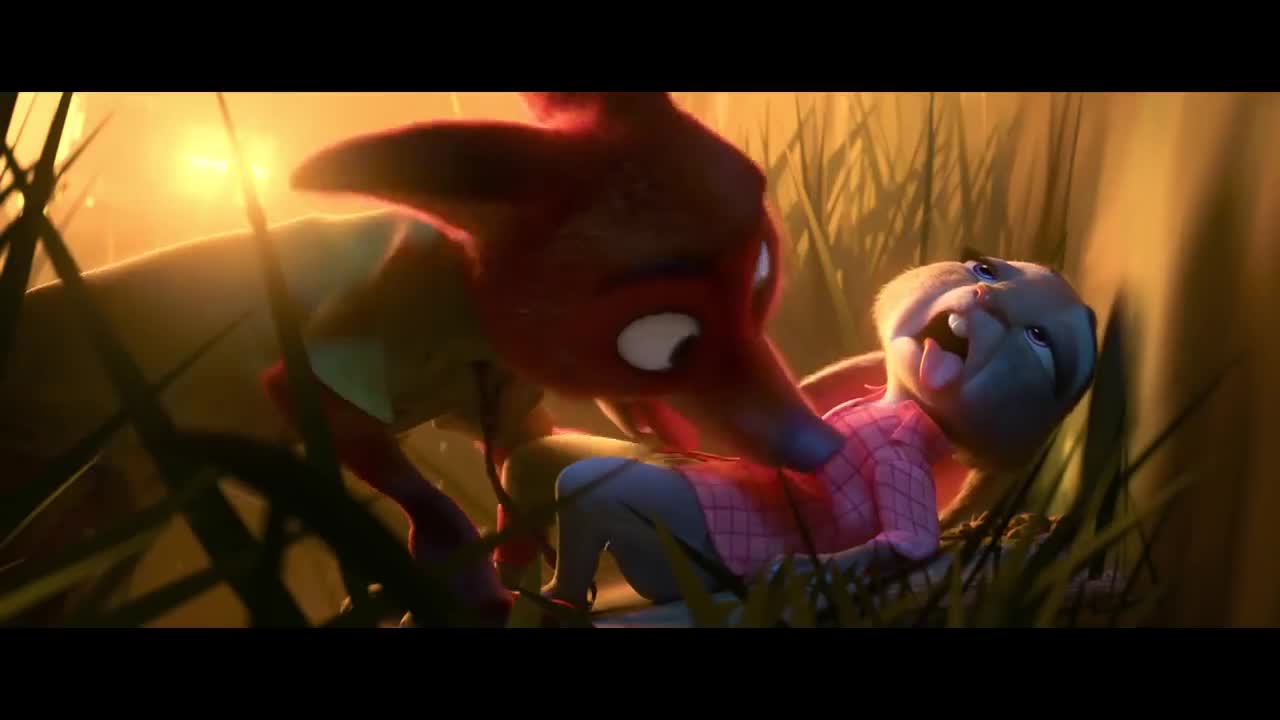
When you analyze the "Night Howler" darts, you’re looking at a weaponized drug. In the final act, when Nick "goes savage" to trick Bellwether, the tension relies entirely on the audience believing that he could actually kill Judy. The film plays with the threat of death constantly.
- The Manascas scene where the tiger is restrained.
- The cliffside asylum where predators are kept in cages.
- The train explosion that nearly incinerates the protagonists.
These aren't "light" themes. The reason the search terms for Zootopia blood and death persist is that the movie feels like a thriller. It uses the visual language of a gritty police procedural—think Silence of the Lambs or 48 Hrs.—and applies it to bunnies and foxes.
Misconceptions About "The Lost Cut"
You’ll see a lot of YouTube thumbnails with edited images of Nick Wilde covered in blood or Judy Hopps in a body bag. Let’s be clear: those don't exist. Disney didn't animate a "gore" version of Zootopia. Animation is too expensive for that. Every frame costs thousands of dollars and hundreds of man-hours.
What does exist are:
- The "Taming Party" storyboard: This is the most famous "dark" piece of media. It’s a rough sketch animation (animatic) showing a polar bear cub getting his first shock collar while his dad looks on sadly. It’s heartbreaking, but no one dies.
- Early "Savage" Concept Art: Some of the designs for the predators looked much more mangy, rabid, and physically injured.
- The Abandoned Noir Ending: There were drafts where the villain met a much more permanent end than just going to jail.
The "blood" people imagine is usually just the result of the film’s masterful lighting. The red hues in the underground lab or the dark, rainy atmosphere of the Rainforest District create a "slasher" vibe that sticks in the subconscious.
How Zootopia Handles Mortality Differently
Most animated movies kill a parent in the first ten minutes (thanks, Bambi and Lion King). Zootopia chose a different path. It focused on the death of ideals. Judy’s optimism is slowly strangled by the reality of the city. Nick’s childhood spirit was "killed" by the Junior Ranger Scouts.
When people search for Zootopia blood and death, they are often tapping into the visceral reaction the movie provokes. It’s a movie about the fear of being hunted. It’s a movie about the fear of losing your mind. Those are primal, "death-adjacent" fears.
The "Night Howler" serum effectively removes the "soul" of the animal, leaving only the "beast." In many ways, that’s a fate worse than death in the context of a society that prides itself on being "civilized."
Actionable Steps for Exploring Zootopia’s Development
If you're looking to see how far the filmmakers actually pushed these dark themes, don't look for leaked gore—look for the process.
- Watch "Imagining Zootopia": This documentary is available on YouTube and certain streaming platforms. It shows the moment the directors decided to scrap the "Shock Collar" plot because it was too depressing.
- Study the "The Art of Zootopia" Book: This contains the actual sketches of the "Wild Times" amusement park and the original, more menacing designs for the city's underbelly.
- Analyze the "Taming Party" Animatic: You can find this on the Blu-ray extras. It’s the closest thing to the "dark" version of the movie that was ever actually produced in a visual format.
- Read the Early Script Treatments: Sites like Deadline or The Hollywood Reporter often host "Screenplay of the Week" features where early drafts are discussed by the writers, Jared Bush and Phil Johnston.
The reality of Zootopia blood and death isn't about a secret R-rated movie hidden in a vault. It’s about the creative struggle to tell a story about the darkest parts of human (and animal) nature while still giving the audience a reason to hope. The "darkness" is what makes the final film’s message of "Try Everything" actually mean something. Without the threat of the abyss, the climb out doesn't matter.