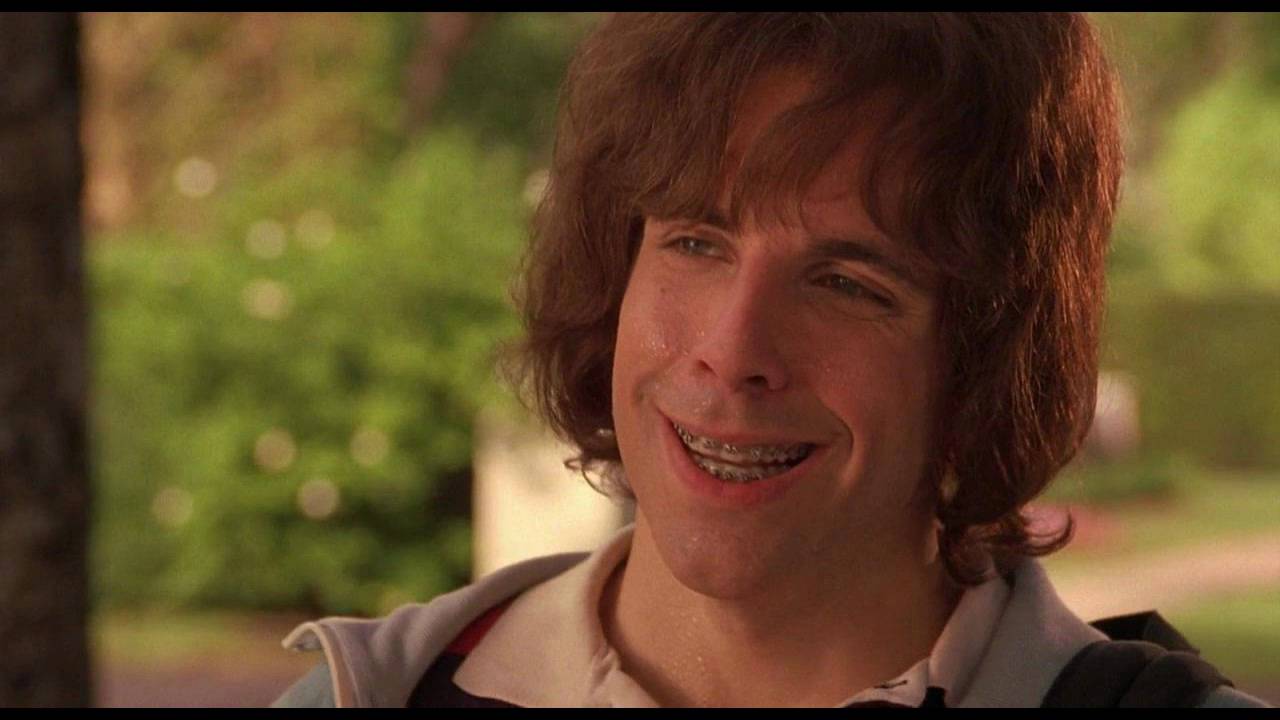
It is hard to remember a time before the "duck face" dominated Instagram, but if you want to find the patient zero of that pout, you have to look back to 2001. Specifically, you have to look at Derek Zoolander. Ben Stiller's Zoolander—the definitive Ben Stiller model movie—didn't just parody the fashion industry; it basically predicted the narcissistic, camera-ready culture we all live in now.
Derek Zoolander wasn't born on the big screen, though.
Most people forget he actually started as a bit of a gag for the 1996 VH1 Fashion Awards. Ben Stiller and Drake Sather cooked up this dim-witted supermodel character for a short skit, and honestly, the DNA was all there from the jump. The breathy voice. The complete lack of self-awareness. The "Blue Steel" look that was really just Ben Stiller trying to look handsome in a mirror and failing hilariously.
The Plot That Shouldn't Have Worked
On paper, the story of Zoolander sounds absolutely insane. You've got a world-famous male model who is grieving the loss of his roommates in a "freak gasoline fight accident." Then, he gets brainwashed by a high-fashion villain named Jacobim Mugatu—played by a peak-eccentric Will Ferrell—to assassinate the Prime Minister of Malaysia.
Why? Because the Prime Minister wants to end child labor, which would apparently ruin the profit margins of the fashion elite.
It is dark. It is weird. And yet, it works because the movie never takes itself seriously for even a second. Stiller, who also directed and co-wrote the film, leaned into the absurdity. He cast his own father, the legendary Jerry Stiller, as Derek’s manager, Maury Ballstein. He brought in Owen Wilson as Hansel, the "so hot right now" rival who rides a scooter and ponders the deep mysteries of the universe.
The chemistry between Stiller and Wilson is what holds the whole thing together. Whether they are having a "walk-off" judged by David Bowie or trying to figure out how to get the files "inside" a computer, their shared stupidity is weirdly endearing.
Why It Flopped (Then Flew)
When Zoolander hit theaters on September 28, 2001, the timing was, frankly, terrible. The world was still reeling from the events of 9/11. A silly, irreverent comedy about a male model and a political assassination plot wasn't exactly what people were lining up for.
The box office reflected that. It made about $60 million worldwide on a $28 million budget. Not a disaster, but certainly not a smash hit. Critics were split, too. Roger Ebert famously gave it a scathing review, calling the child labor plot point insensitive.
But then something interesting happened.
The DVD era saved it. Zoolander became the ultimate "watch with your friends" movie. It was endlessly quotable. Phrases like "What is this? A center for ants?" and "Orange Mocha Frappuccino!" entered the cultural lexicon. By the time the 2010s rolled around, it wasn't just a movie; it was a vibe.
The Tragedy of the Sequel
We have to talk about Zoolander 2.
Released in 2016, the sequel arrived fifteen years after the original. Stiller has been pretty open recently about how much the failure of the second film "blindsided" him. He thought everyone wanted it. And look, the hype was there—Stiller and Wilson even walked the real Valentino runway in Paris to announce it.
But the magic was gone.
The sequel felt weighed down by too many celebrity cameos. While the first movie had a few (like Donald Trump and Natalie Portman), the second one felt like a parade of famous people for the sake of it. It lacked the tight, satirical edge of the original. Critics panned it, and audiences stayed away. Stiller mentioned in a 2024 interview that the failure actually scared him, making him question his own sense of humor.
However, there was a silver lining. Stiller says that if the sequel had been a hit, he probably would have just stayed in the "comedy lane" forever. Instead, that failure gave him the space to pivot toward directing more serious, acclaimed projects like Escape at Dannemora and Severance.
Breaking Down Blue Steel
The real legacy of the Ben Stiller model movie is, of course, the "looks."
- Blue Steel: The classic. Pursed lips, sucked-in cheeks, intense stare.
- Ferrari: Identical to Blue Steel, but don't tell Derek that.
- Le Tigre: Also identical.
- Magnum: The legendary look that can literally stop a flying shuriken in mid-air.
The joke was that Derek’s entire career was built on one single facial expression that he just gave different names. It was a perfect send-up of the "serious" faces models make in high-fashion editorials.
Today, you see Blue Steel everywhere. It’s in every "smize" on America's Next Top Model and every filtered selfie on TikTok. Stiller actually based the look on his own "trying to look cool" face. He realized that when he tried to look good, he just looked ridiculous.
Actionable Insights for Fans
If you're looking to revisit the world of Derek Zoolander or explore the "Stiller-verse," here is how to do it right:
- Watch the 1996 VH1 Skits: You can find them on YouTube. It’s fascinating to see the character in his rawest form before the big-budget polish.
- Look for the Cameos: The original film is a time capsule. Watch for Gwen Stefani, Garry Shandling, and Patton Oswalt in tiny, blink-and-you-miss-it roles.
- Appreciate the Satire: Pay attention to the "Derelicte" fashion show. It was a parody of John Galliano’s real-life "homeless" chic collection from 2000. The movie was actually more grounded in real fashion world drama than people realize.
- Skip the Sequel (mostly): Unless you're a die-hard completist, stick to the 2001 original. It captures a specific brand of lightning in a bottle that the second one just couldn't replicate.
Zoolander remains the gold standard for fashion satire. It’s a movie that celebrates being "really, really, ridiculously good looking" while reminding us how utterly silly that pursuit can be.