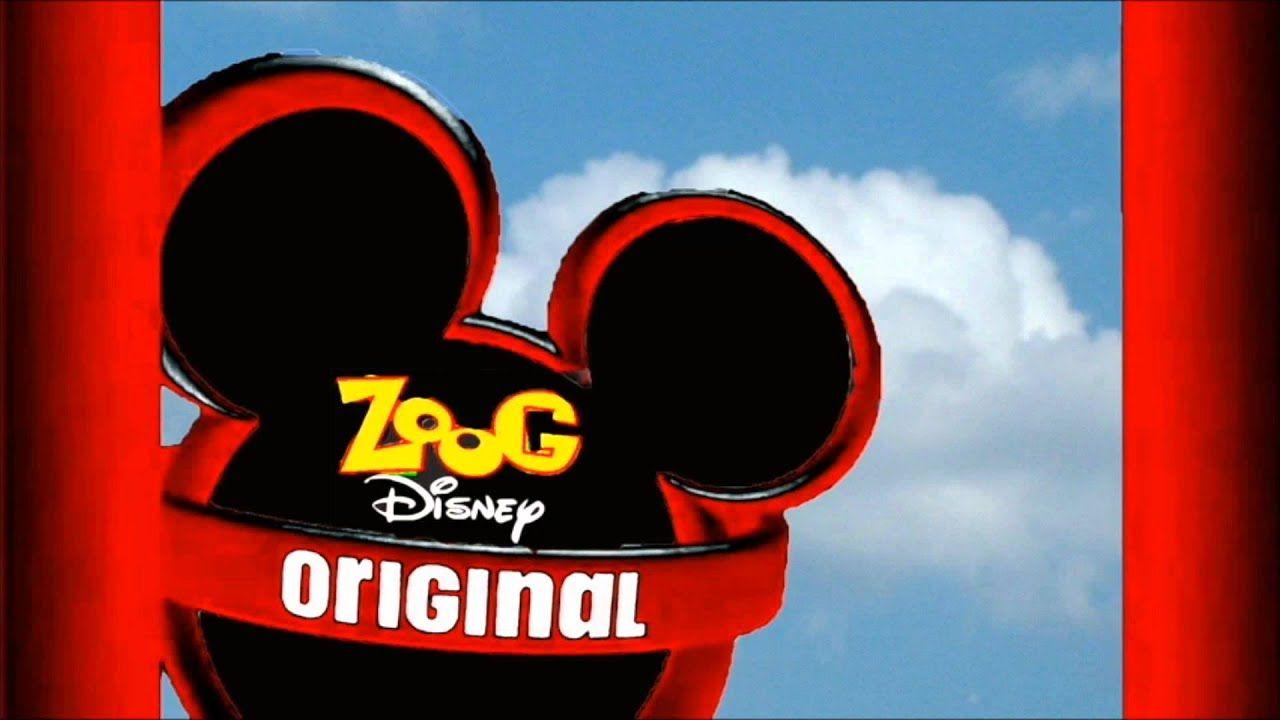
Disney Channel was weird in the late nineties. Really weird. Before we had iPads glued to our hands or second-screen experiences on our phones, we had a weird, clunky, but honestly revolutionary thing called the Zoog Disney 2.0 model. It wasn't just a block of cartoons. It was an attempt—a surprisingly successful one—to merge the television set with the desktop computer.
You remember the aesthetic. The neon greens, the pixelated mascots like Zoog and Zeether, and that strangely industrial-futuristic vibe that only 1998 could produce. But underneath the "radical" branding, Disney was quietly building the prototype for the modern internet user experience. Don't forget to check out our previous article on this related article.
The Chaos of the Zoog Disney 2.0 Model
Basically, the Zoog Disney 2.0 model was a "convergence" strategy. That’s a fancy word for trying to get kids to stop looking at just one screen and start looking at two. It launched roughly around September 1998, moving away from the more passive original Zoog Disney era.
The 2.0 version was aggressive. To read more about the history of this, E! News offers an excellent breakdown.
Imagine you’re watching The Famous Jett Jackson or Bug Juice. Suddenly, a ticker tape scrolls across the bottom of the screen. It's not news or sports scores. It's usernames. "Sparky88 says Jett is totally cool!" This was user-generated content before we even called it that. To get your name on TV, you had to go to DisneyChannel.com, play a game, or vote in a poll.
It was a feedback loop.
Disney understood something early on. They realized that the "lean back" experience of TV was dying for the younger generation. Kids wanted to push buttons. They wanted to see their screen names—those clunky, alphanumeric handles we all picked back then—broadcast to millions of homes.
Why the 2.0 Rebrand Mattered
The shift to the 2.0 model wasn't just about a fresh coat of paint. It changed the architecture of how the channel functioned. In the original version, the "Zoogs" were these weird, 2D-looking aliens who felt a bit detached. With 2.0, the branding became sleeker, more "digital," and more integrated into the actual shows.
The graphics were everywhere.
They used these high-energy, fast-paced bumpers that felt like a browser loading a really cool webpage. If you compare it to what Nickelodeon or Cartoon Network was doing at the time, Disney looked like it was from the future. It was the first time a major network treated the internet as a peer to television, not just a marketing brochure.
The Technical Reality (It Was Kinda Clunky)
Let's be honest for a second. The tech was actually pretty primitive. We were mostly on dial-up. You’d hear that screeching modem sound, wait three minutes for the Disney homepage to load, all while trying to catch the "Zoog Code" appearing on the TV screen.
The Zoog Disney 2.0 model relied on these codes.
They were alphanumeric strings you’d type into the website to unlock exclusive games or "power up" your avatar. It was basically an early version of a QR code, but you had to do the manual labor of typing it in.
It worked because it gave kids a sense of agency. You weren't just watching Even Stevens; you were participating in the Even Stevens "brand universe." It’s funny looking back. Now, we take for granted that we can tweet at a show and see our post on a sidebar. In 1999, seeing "SkaterBoy5" on the Disney Channel felt like a miracle of modern science.
The Desktop/TV Synergy
Disney researchers—and yes, they had actual sociologists looking at this—noticed that "appointment viewing" was starting to fray. The 2.0 model fixed that by making the internet experience dependent on the TV schedule.
- You had to watch the show to get the code.
- You had to go to the site to use the code.
- You had to go back to the show to see if your score won.
It was a circle. A very profitable, high-engagement circle. This wasn't just art; it was a business model designed to keep the Disney brand top-of-mind during those crucial after-school hours.
The Shows That Carried the Weight
You can’t talk about the Zoog Disney 2.0 model without the actual content. This was the era where Disney Channel moved away from being a "premium" channel (the kind your parents had to pay extra for, like HBO) and became a basic cable staple.
So Weird was a huge part of this. It was basically The X-Files for kids. It dealt with the internet, blogging (Fi had a website!), and paranormal activity. It fit the Zoog 2.0 aesthetic perfectly. It felt digital. It felt mysterious.
Then you had the DCOMS—Disney Channel Original Movies. Movies like Zenon: Girl of the 21st Century literally visualized the future that Zoog Disney was trying to build. We wanted the "Zapt" pads. We wanted the instant communication. The 2.0 model gave us a "lite" version of that by letting us interact through our beige Windows 98 towers.
What Most People Get Wrong
People often think Zoog Disney was just a mascot. It wasn't. It was a software-driven approach to broadcasting.
When Disney shifted to the 2.0 model, they actually slowed down the "alien" stuff and ramped up the "data" stuff. They stopped pretending these were characters living in a computer and started treating the viewer as the character living in the network. That’s a massive psychological shift.
Some critics at the time—mostly parents and old-school TV execs—thought it was too distracting. They argued that kids couldn't follow a plot if they were looking for codes or reading tickers. They were wrong. Kids are great at multitasking. If anything, the Zoog Disney 2.0 model prepared an entire generation for the "second screen" world we live in now.
The Legacy: Where Did Zoog Go?
By 2002, the Zoog branding started to fade. It was replaced by the "Bounce" era—the one with the Mickey Mouse head silhouette and the actors "drawing" the logo with a wand.
Why did they kill it?
Because the Zoog Disney 2.0 model was too successful. The internet became so integrated into daily life that having a specific "web-themed" block of programming started to feel redundant. You didn't need a special mascot to tell you to go online. You were already there.
The DNA of Zoog Disney 2.0 is in everything now. It’s in Netflix’s interactive specials. It’s in the way Twitch streamers interact with their chat. It’s in every "live-tweet" event. Disney didn't just stumble onto this; they engineered a way to make television feel like a community.
Actionable Insights for Nostalgia Seekers and Creators
If you're looking to dive deeper into this specific era or apply its lessons to modern content, here is what you need to know.
First, check the archives. Sites like the Museum of Classic Chicago Television or specific YouTube archivists have preserved hours of the 2.0-era bumpers. Watching them today, you’ll notice the pacing is incredibly similar to modern TikTok edits—fast cuts, high contrast, and direct address to the audience.
Second, if you're a content creator, look at the "code" system. Even in 2026, the psychological "reward" of entering a physical code found in one medium (video) into another (a website or app) creates a much higher conversion rate than a simple link. It turns a viewer into a participant.
Third, understand the importance of the "ticker." Disney realized that people like seeing their names in lights, even if those lights are just 12-pixel high text on a CRT screen. Acknowledging your community by name is still the single most effective way to build loyalty.
The Zoog Disney 2.0 model eventually died, but its "convergence" philosophy is the literal foundation of the modern attention economy. We are all Zoogs now, living between the screens.