You’ve seen the headlines. Maybe you were scrolling through a feed and saw some clickbait thumbnail promising a "scandalous" look at the New Girl star. Or maybe you're just curious why, in 2026, the phrase nude pics zooey deschanel is still floating around the darker corners of the internet. Honestly, the reality is a lot less "scandalous" and a lot more about how we treat women’s privacy in the digital age.
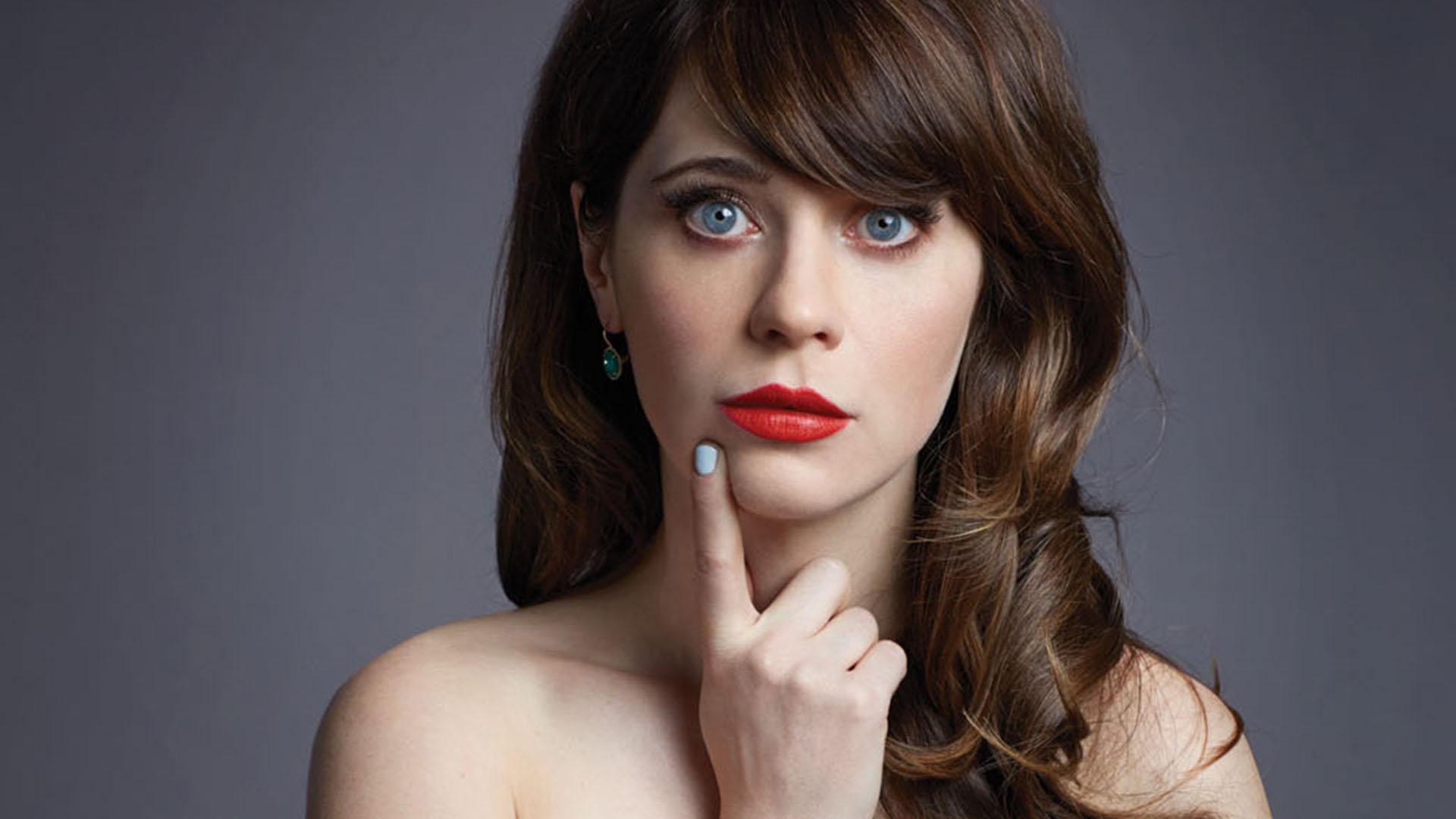
Zooey Deschanel has basically spent her entire career being the poster child for "adorkable." From the wide-eyed Jovie in Elf to the polka-dot-wearing Jess Day, she’s built a brand on being wholesome, quirky, and fiercely protective of her image. So, when people go searching for things that don't exist, it's usually because some predatory website is using her name to drive traffic.
Let's be clear: there are no "nude pics" of Zooey Deschanel that she ever intended for the public to see, nor have any verified leaks ever fundamentally changed her career trajectory. What does exist is a sea of AI-generated fakes, malicious "deepfakes," and old-school clickbait. It’s a mess.
The Truth About Celebrity Leaks and Zooey’s Privacy
Back in the mid-2010s, Hollywood went through a massive wave of privacy breaches. You remember "The Fappening"? It was a nightmare for dozens of actresses. While Zooey wasn't the primary target of those specific massive leaks, her name gets swept up in the same search algorithms every single time a new "collection" surfaces.
Why? Because she's famous.
Predatory sites know that people search for the most popular names alongside "leaked" or "nude" just to see what pops up. It's a classic SEO scam. They use her name as a lure, often leading users to sites filled with malware or, even worse, non-consensual AI-generated imagery.
Zooey hasn't just sat back and taken it, though. She’s been a vocal advocate for women having control over their own narratives. Along with her HelloGiggles co-founder Sophia Rossi, she’s spent years building platforms that focus on "lady empowerment" and positive female friendship. She isn't interested in the "male gaze" version of fame.
Why Search Terms Like This Still Trend
It’s kinda weird, right? You’d think by now we’d be over this. But in 2026, the tech has actually made the problem worse.
- AI Deepfakes: This is the big one. Tools like "Nano Banana" (the irony of the name isn't lost on us) and other generative models can now create "photos" that look terrifyingly real.
- Clickbait Schemes: Sites use names like Deschanel’s because she has a "clean" image. The contrast between her public persona and a "scandalous" headline is what makes people click.
- Digital Persistence: Once a rumor starts on Reddit or 4chan, it never truly dies. It just gets recycled every few years by bots.
Managing a Digital Identity in 2026
Zooey Deschanel’s approach to the internet has always been a bit... vintage? She loves the aesthetic of the past, but she’s very modern about her boundaries. She posts about her kids (mostly keeping their faces hidden), her music with She & Him, and her garden. She controls the lens.
For high-profile figures, the threat isn't just a rogue photographer anymore. It’s "identity mining."
Attackers in 2026 aren't just looking for photos; they're looking for "broken windows"—forgotten email aliases, old social media manager logins, or shared Google Drive folders that haven't been audited since 2018. Expert digital safety firms like BlackCloak now have to scan the dark web weekly for celebrities just to make sure their private lives stay, well, private.
If you're looking for the "real" Zooey, you'll find her on her official channels, talking about her latest projects like Merv or her voice work in the Trolls franchise. Anything else is usually a digital ghost or a scam.
How to Protect Yourself and Others Online
Seeing the name of a celebrity you like attached to a "leak" headline is a test of digital ethics. Honestly, the best thing you can do is just not click. Every click validates the person who stole or faked that content.
If you’re worried about your own digital footprint—because let's be real, you don't have to be a movie star to be targeted—there are some basic steps that actually work in 2026:
- Audit your "Shadow Accounts": Go through your phone. If you haven't opened an app in three months, kill it. Those apps often have permissions to your photo library that you've totally forgotten about.
- Use Global Privacy Control (GPC): This is basically a master switch in your browser that tells every site you visit, "Do not track me, do not sell my info." It's legally binding in many regions now.
- Hardware Keys: Stop relying on just a password. A physical YubiKey is the gold standard. A hacker in another country can't "plug in" a physical device that's sitting on your keychain.
- The 30-Day Rule: Set your email "Trash" and "Spam" folders to auto-delete every 30 days. It keeps your digital "paper trail" short.
Zooey Deschanel is a powerhouse who has redefined what it means to be a "quirky" leading lady. She’s survived two decades in an industry that loves to tear women down, and she’s done it by keeping her private life exactly where it belongs. The search for nude pics zooey deschanel might continue to trend because of bots and bad actors, but the real story is about a woman who refused to let the internet own her body or her brand.
Start by securing your own most sensitive accounts with a physical security key and deleting old cloud storage folders that contain photos you no longer need.