You know that feeling when a song gets stuck in your head and you just can't shake it? Now imagine that song actually teaching a four-year-old how to read. That is basically the magic sauce behind Zoo Phonics Who Let the Letters Out, a rhythmic, high-energy adaptation of the classic "Who Let the Dogs Out" vibe that has become a staple in preschools and kindergarten classrooms across the country.
It's loud. It’s a bit chaotic. Honestly, it’s exactly what kids need.
Most parents and new teachers stumble upon this while searching for ways to make phonemic awareness less of a chore. If you've ever tried to sit a wiggly toddler down with a stack of boring flashcards, you know the pain. They tune out. They start looking at the ceiling. They'd rather be doing literally anything else. But when you play a track that asks "Who let the A out?" and follow it up with an "ah-ah-ah" sound, something clicks. The physical movement combined with the auditory cue creates a "sticky" learning environment that traditional rote memorization simply cannot touch.
What is Zoo Phonics Who Let the Letters Out anyway?
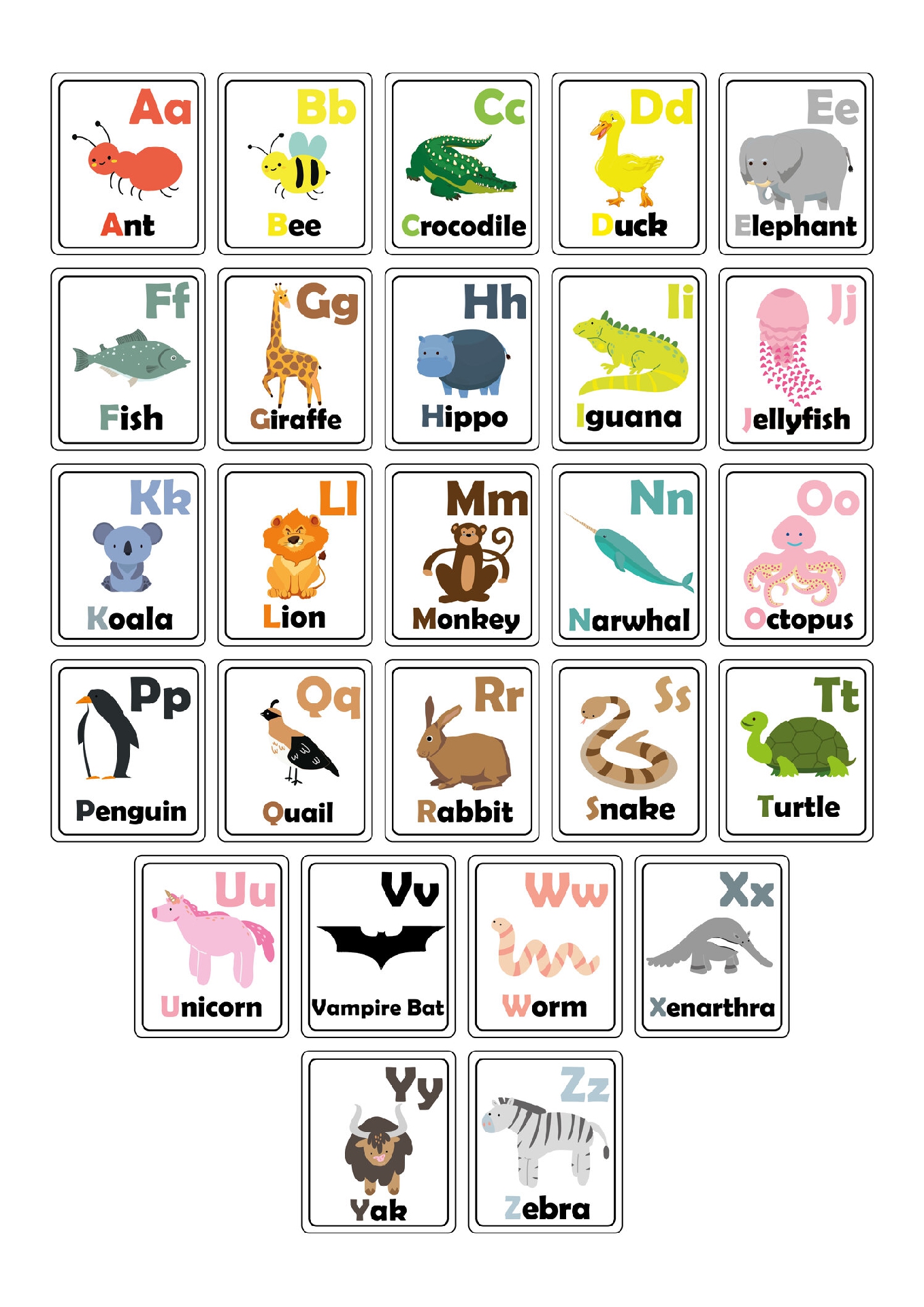
At its core, this isn't just a random YouTube song. It is a specific musical application of the Zoo-phonics Multisensory Language Arts Program. This program was developed by two teachers, Gigi Bradshaw and Charlene Wrighton, who realized back in the 1980s that children learn best when they use their whole bodies. They created a cast of "Animal Friends"—think Allie Alligator and Bubba Bear—that correspond to the shapes of lowercase letters.
The song Zoo Phonics Who Let the Letters Out takes those characters and gives them a beat.
Instead of just saying "B says buh," the kids are bark-singing the sounds. It utilizes a "mural" of characters where the animal's body actually forms the letter shape. Allie Alligator is shaped like an "a." Bubba Bear looks like a "b." When the music starts, the kids aren't just reciting; they are performing. This isn't just "educational entertainment." It's a kinesthetic bridge. It bridges the gap between a squiggle on a page and the sound coming out of a human mouth.
Why the "Barking" Method Beats Flashcards
Brains are weird. Especially young ones.
Research in neuroplasticity suggests that when you engage multiple senses—sight, sound, and touch—you’re building more robust neural pathways. This is often called the VAKT approach (Visual, Auditory, Kinesthetic, and Tactile). When a child sings Zoo Phonics Who Let the Letters Out, they are seeing the animal, hearing the phoneme, and moving their body to mimic the animal's motion (the "signal").
Let's get real for a second. Traditional phonics can be dry. You sit. You look. You repeat. But with Zoo-phonics, the "Who Let the Letters Out" rhythm taps into a child’s natural inclination toward play.
- It lowers the "affective filter." That’s a fancy linguistic term for "kids learn better when they aren't stressed or bored."
- The repetition is baked into the rhythm. They don't mind saying the "k" sound ten times if it's part of a chorus.
- It helps with "automaticity." That is the ability to see a letter and instantly know its sound without thinking.
I’ve seen kids who struggled with standard letter recognition suddenly light up when the music starts. They might not remember "Letter T," but they definitely remember Timothy Tiger and the way he "signals" with his paws. It’s a shortcut to the brain's long-term memory.
The Secret Power of the Lowercase Letter
Here is something most people get wrong about early literacy: they start with capital letters. Big mistake.
Think about it. Look at any page in a book. Look at this article. Probably 95% of the letters you see are lowercase. Zoo-phonics, and by extension the Zoo Phonics Who Let the Letters Out song, prioritizes lowercase letters because those are the shapes children actually encounter when they start reading.
Capital letters are mostly used for names and the start of sentences. If a kid only knows "A, B, C" in capitals, they are going to be totally lost when they open The Cat in the Hat. By focusing on the "Animal Friends" that mirror lowercase shapes, the program prepares kids for real-world reading faster than programs that focus on "The Alphabet Song."
Also, let's talk about the sounds. The song doesn't focus on the letter names. It focuses on the letter sounds. In the world of Zoo Phonics, "A" isn't "Ay." It's "ah." Because "ah" is what you actually need to decode the word "apple."
How to Actually Use This at Home Without Losing Your Mind
If you’re a parent, you might be worried that playing Zoo Phonics Who Let the Letters Out on loop will drive you to the brink of insanity. Fair concern. But you don't need to play it 24/7 to see results.
Consistency beats intensity every single time.
Try using the song as a "transition" tool. Play it while you're cleaning up toys or during the five-minute drive to preschool. Use the "signals" (the hand motions) even when the music isn't playing. If you see a "d" on a cereal box, do the "Dee Dee Deer" signal. It reinforces the lesson in a natural, low-pressure way.
Common Pitfalls to Watch Out For
- Don't over-correct. If they get the sound slightly wrong but are doing the motion, let it slide for a bit. The goal is confidence.
- Don't skip the "Body Signals." The music is great, but the physical movement is the "secret sauce" of Zoo-phonics. If they aren't moving, they aren't getting the full benefit.
- Watch the "Uh" sound. This is a big one. Teachers call it the "schwa" sound. When kids say "Buh" instead of a crisp "b," it makes it harder to blend words later (like "b-a-t" becoming "buh-at"). Try to keep the sounds in the song clipped and clean.
The Cultural Impact of a Kindergarten Hit
It’s kind of wild how a specific remix of a 2000s Baha Men hit became the anthem of early childhood literacy. You can find dozens of versions on YouTube, from teachers in their classrooms to high-production animations. It’s a testament to the fact that humans are rhythmic creatures. We remember rhymes. We remember beats.
The Zoo Phonics Who Let the Letters Out phenomenon proves that you don't need high-tech AI tutors to teach a child to read. You need engagement. You need a way to make the abstract (letters) feel concrete (animals and movements).
Actionable Steps for Parents and Educators
If you want to start using this today, don't just put the video on and walk away. Interaction is key to making the information "stick."
- Step 1: Learn the Signals. Before you even play the song, look up the Zoo-phonics signals for A through Z. You need to be able to do them alongside the child.
- Step 2: Focus on the "Animal Friend" first. Instead of saying "That's the letter M," say "That's Missy Mouse." It gives the child a character to bond with.
- Step 3: Play the song in short bursts. Use it as a brain break. When a child's energy is dipping, "Who Let the Letters Out" can act as a reset button that also happens to be educational.
- Step 4: Gradually phase out the music. Eventually, show the child the letter without the song or the animal overlay. See if they can still produce the sound and the signal. This is "fading" the prompt, a crucial step in moving toward independent reading.
Learning to read is one of the most difficult cognitive tasks a human will ever undertake. It’s literally rewriting the brain's circuitry. If a silly song about animals letting letters out of their cages makes that process even 10% easier, it’s worth the noise. Keep the energy high, keep the "signals" sharp, and don't be afraid to bark along.