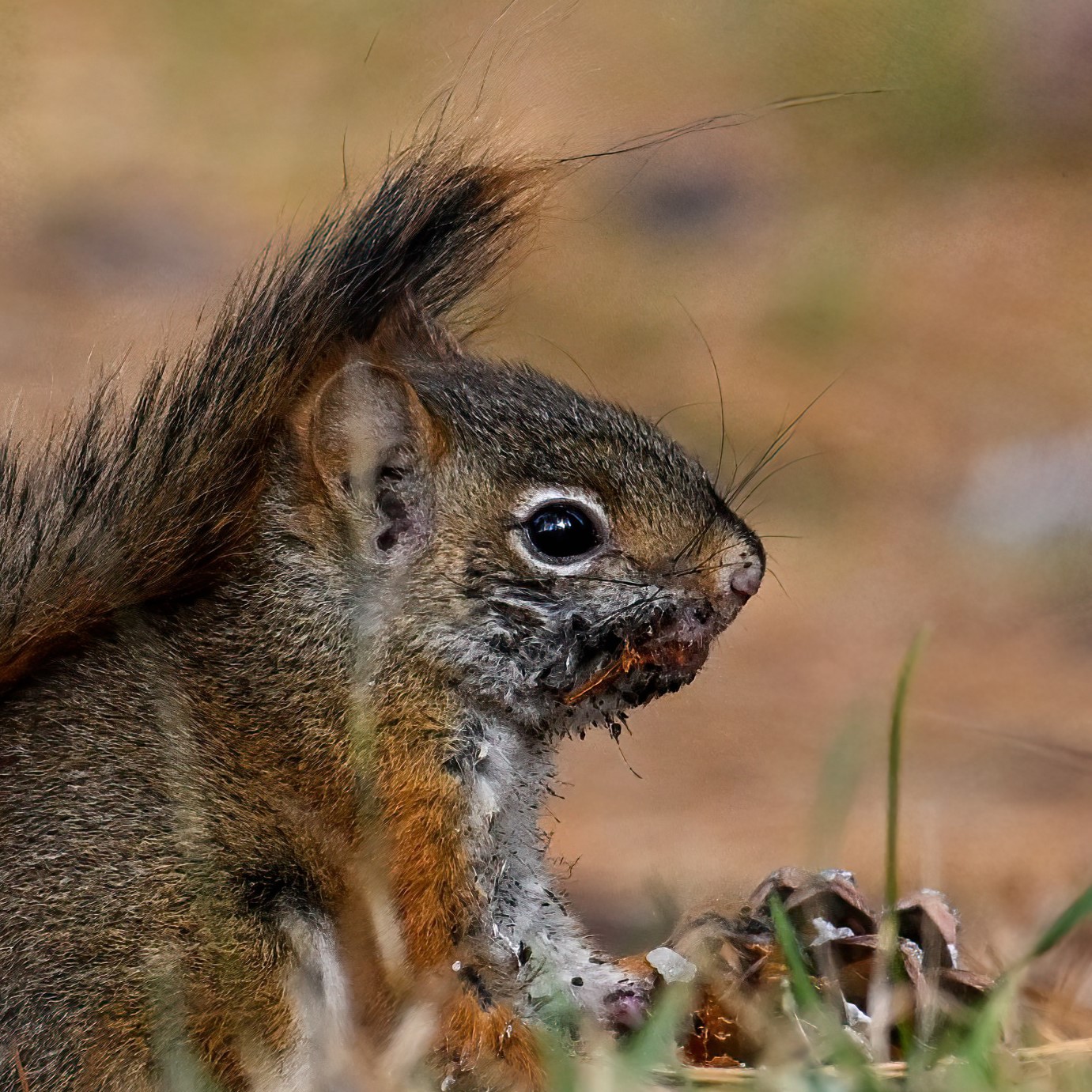
You’ve seen the videos. A squirrel stands frozen on a lawn, head tilted at an impossible angle, or it's spinning in tight, frantic circles like it’s chasing a ghost. Maybe it’s stumbling across a park bench in Denver or Minneapolis, looking glassy-eyed and weirdly bold. People on TikTok call them "zombie squirrels," and the term has stuck. It sounds like a B-movie plot, honestly. But when you see a normally skittish animal lose its fear of humans and start acting like its brain has short-circuited, it’s unsettling.
The truth about zombie squirrels in US neighborhoods isn't about the undead. It's actually a mix of several very real, very biological, and sometimes very preventable issues. We aren't looking at a single "zombie virus" sweeping the nation. Instead, what we’re seeing is a cluster of different diseases and environmental factors that just happen to produce similar, creepy symptoms.
What is Making Squirrels Act Like Zombies?
Most of the time, if you see a squirrel acting like it’s lost its mind, you’re looking at Squirrel Pox. It’s also known as Fibromatosis. It’s caused by a virus that creates nasty, bulging tumors all over the squirrel’s body. These tumors can grow around the eyes and mouth. When a squirrel can’t see because of a massive growth, it bumps into things. It looks confused. It looks "zombified."
The California Department of Fish and Wildlife and various agencies in the Eastern US have been tracking this for years. It’s a virus, but it’s not the one from The Last of Us. It spreads through insect bites or direct contact between squirrels. While it looks horrifying, it’s usually not something that jumps to humans or your pet dog.
Then there’s the "spinning" behavior.
This is often Raccoon Roundworm (Baylisascaris procyonis). It’s a parasite. Raccoons carry it, and they poop it out. Squirrels, being the scavengers they are, come into contact with the eggs. Once inside the squirrel, the larvae don’t just stay in the gut. They migrate. They head straight for the central nervous system and the brain. This causes severe neurological damage. The squirrel loses its motor control. It circles. It tilts its head. It basically loses the ability to "squirrel" properly.
The Confusion Over Rabies
Everyone thinks it’s rabies. It’s the first thing people scream when they see a "zombie" animal. But here’s a fact that might surprise you: Squirrels almost never have rabies. According to the CDC, small rodents like squirrels, hamsters, guinea pigs, and chipmunks are rarely infected with rabies and have not been known to transmit rabies to humans in the United States.
They’re just too small. If a rabid raccoon or fox attacks a squirrel, the squirrel usually doesn't survive the encounter to become rabid itself. It just dies. So, if you see a zombie squirrel in US parks, don't immediately jump to the rabies conclusion. It’s much more likely to be a parasite, a virus, or even something they ate.
Fermented Fruit and the "Drunk" Squirrel Phenomenon
Sometimes the explanation is way less "medical mystery" and way more "happy hour." In the fall, fruit drops from trees and starts to ferment. Squirrels love apples, pears, and berries. If they eat enough fermented fruit, they get drunk. Period.
There was a famous case in Minnesota where a woman put out some old pears. A local squirrel ate them and ended up leaning precariously against a bowl, looking like it had spent ten hours at a dive bar. It went viral because it looked like a zombie, but it was just intoxicated. This happens more often than you’d think, especially in suburban areas with ornamental fruit trees.
Why Does This Matter Right Now?
You might wonder why we're hearing so much more about zombie squirrels in US cities lately. Is it getting worse?
Maybe a little, but it’s mostly because of us. Urban sprawl puts more squirrels in closer proximity to each other. When you have a high density of animals, diseases like Squirrel Pox spread faster. Plus, we all have cameras in our pockets now. Ten years ago, a squirrel spinning in a park was a weird thing one person saw. Today, it’s a 15-second clip with 4 million views and a "zombie" hashtag.
Climate change plays a role, too. Warmer winters mean more insects survive. More insects mean more vectors for viruses. It's a chain reaction. When the weather stays mild, the parasites that cause these "zombie" symptoms have a longer window to infect the local wildlife.
The Problem with Feeding Wildlife
We need to talk about bird feeders. I know, people love them. But they are basically a giant petri dish for "zombie" symptoms. When you have dozens of squirrels congregating at a single feeder, they trade skin oils, parasites, and viruses. If one squirrel has Squirrel Pox, the feeder becomes a "super-spreader" event.
Biologists from various state agencies often recommend taking down feeders for a few weeks if you see a sick squirrel in your yard. It forces the animals to disperse, which slows down the transmission of whatever is making them act weird.
How to Spot a Truly Sick Squirrel
It's not always easy to tell the difference between a squirrel that's just being a weirdo and one that's actually ill. Squirrels are naturally twitchy. However, there are a few "red flags" that point to the neurological issues people associate with zombie squirrels in US neighborhoods.
- Lack of Fear: If you can walk right up to a squirrel and it doesn't move, something is wrong. They are prey animals; their entire existence is based on being terrified of you.
- Repetitive Motions: Circling in one direction for minutes at a time is a classic sign of brain damage, usually from parasites or head trauma.
- Visible Growths: Warty, dark tumors on the skin are a dead giveaway for Squirrel Pox.
- Seizures or Tremors: This isn't just the normal "squirrel twitch." It's a loss of muscle control.
If you see these signs, don't be a hero. Don't try to "save" it with a shoebox and some nuts. A sick squirrel can still bite, and while it likely doesn't have rabies, it can carry other bacteria or mites that you really don't want in your house.
Real Examples from Across the States
In 2020, there was a major "zombie squirrel" scare in Jefferson County, Colorado. A squirrel actually tested positive for the bubonic plague. Yes, the Black Death. It sounds terrifying, but plague is actually endemic in parts of the Western US among rodent populations. It pops up every year.
The "zombie" behavior in that case was a sick animal being lethargic and dying. The local health department had to issue warnings for people to keep their pets away from wildlife. This is why the zombie squirrels in US trend is actually useful—it gets people to pay attention to wildlife health, even if the "zombie" label is a bit dramatic.
In the Eastern US, particularly in states like Virginia and Maryland, Squirrel Pox outbreaks are more common. You'll see squirrels with large, unsightly lumps. They look like they're melting. It’s heartbreaking, but it’s a natural cycle of the virus. Most healthy squirrels will actually survive a mild case and develop immunity, but the ones with heavy tumor loads usually succumb to secondary infections or predators.
What You Should Do If You Find One
If you find a squirrel acting like a zombie in your yard, the best move is usually to do nothing—at least not physically.
First, keep your pets away. Even if the squirrel doesn't have a disease that can jump to your dog, a sick animal is unpredictable. A "zombie" squirrel might bite out of fear or confusion.
Second, call a professional. Most cities have animal control or local wildlife rehabilitators. These people are trained to handle sick animals safely. In many states, like New York or Illinois, there are specific protocols for reporting "neurological wildlife."
Third, clean up. If the squirrel was hanging out near your bird feeder or a water bowl, it's time to break out the bleach. A 10% bleach solution will kill most of the viruses and parasite eggs that might be lingering.
Actionable Steps for Homeowners
- Sanitize regularly: If you feed birds or squirrels, clean your feeders at least once a month with a diluted bleach solution. This is the single best way to prevent your yard from becoming a "zombie" hotspot.
- Remove standing water: Stagnant water attracts the insects that spread Squirrel Pox.
- Don't touch: Never handle a sick or dead squirrel with your bare hands. Use a shovel or heavy gloves if you must move it, and bury it deep or put it in a sealed bag for trash pickup.
- Report it: Use apps like iNaturalist or contact your state’s Department of Natural Resources (DNR). They track these outbreaks to monitor the overall health of the ecosystem.
- Check your pets: Ensure your dogs and cats are up to date on their flea, tick, and parasite preventatives. While they won't catch "zombie-ism," they can catch the fleas or mites the squirrel is carrying.
The phenomenon of zombie squirrels in US suburbs is a reminder that we live in a shared environment. These animals are like the "canaries in the coal mine" for local ecosystem health. When they start acting strange, it’s usually a signal that something is out of balance—whether it's an uptick in parasites, a localized virus outbreak, or just a surplus of fermented crabapples. By staying informed and keeping a respectful distance, we can manage the "outbreak" without the Hollywood drama.