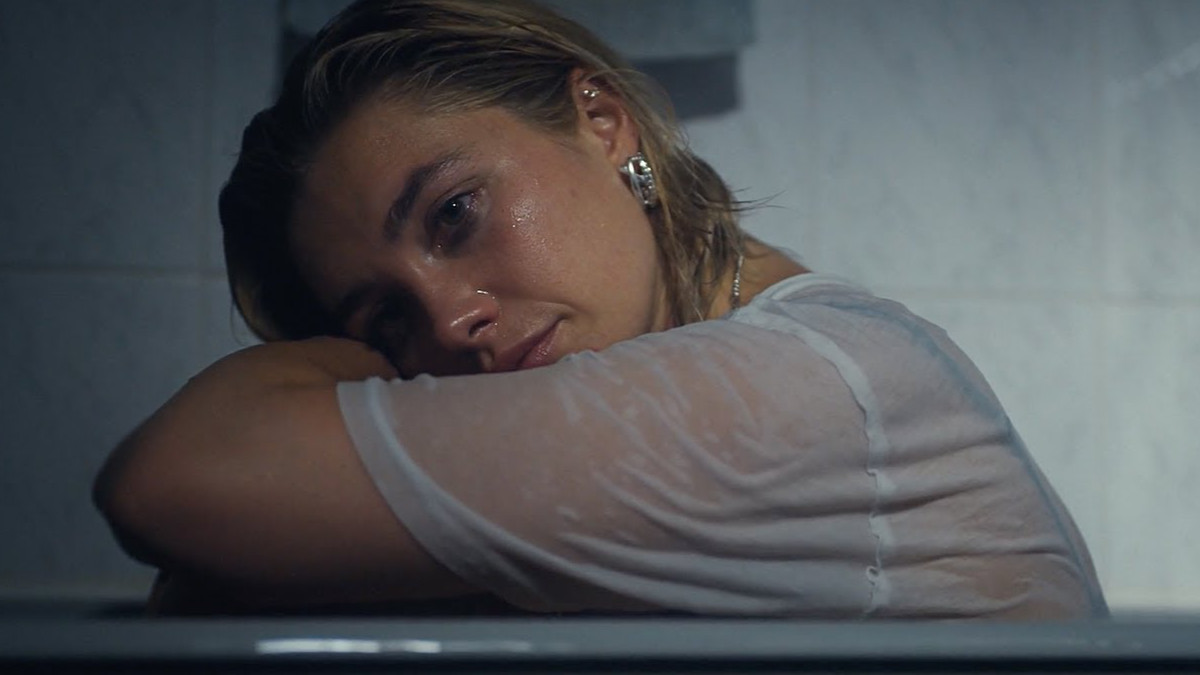
It is a sound you can’t mistake. That raw, guttural "Eh-eh-eh" that breaks through the distortion. If you grew up in the nineties, or honestly, if you've walked into a bar with a jukebox in the last thirty years, the Zombie lyrics are probably burned into your brain. But here is the thing: most people singing along to The Cranberries at the top of their lungs don't actually know what the song is about. They think it's a generic anti-war anthem. It isn't. It is a specific, visceral reaction to a tragedy that most people outside of Ireland and the UK have tucked away in a history book.
Dolores O'Riordan wasn't just writing a hit. She was pissed.
The 1993 Warrington Bombing Changed Everything
To understand the Zombie lyrics, you have to look at March 20, 1993. Two bombs went off in Warrington, Cheshire. They were hidden in cast-iron litter bins. The IRA (Irish Republican Army) claimed responsibility, but the fallout was devastating. Two boys died. Johnathan Ball was only three years old. Tim Parry was twelve.
Imagine being a young woman from Limerick, watching this unfold on the news. Dolores was on tour in a van when she heard about it. She felt a deep sense of shame. She felt like the IRA was claiming to speak for her, for her family, for her country, while killing children. That is the "it's not me, it's not my family" line. It’s a direct rejection of the violence being done in the name of Irish nationalism.
She didn't write the song in a studio with a team of producers. She wrote it alone on an acoustic guitar in her apartment. The heavy, grunge-inspired sound only came later when the band got together. They wanted it to sound like the anger she felt. It needed to be ugly.
Breaking Down the Meaning of "Zombie"
Why call it "Zombie"? It’s a harsh word. It implies a lack of thought. A mindlessness.
O'Riordan was talking about the people blinded by historical grievances. When she sings "Another head hangs lowly / Child is slowly taken," she is talking about the literal deaths of those boys in Warrington. But when she gets to the chorus, she’s attacking the mindset that allows such things to happen. The "zombies" are the people stuck in the past, repeating the same cycles of violence without questioning why.
- "In your head, in your head, they are fighting": This is about the internal justification for war. The conflict doesn't just exist on the streets; it exists in the mental landscape of the people who keep it alive.
- "With their tanks and their bombs / And their bombs and their guns": It’s repetitive for a reason. It’s meant to feel relentless. Exhausting.
- "1916": This is a crucial reference. She’s talking about the Easter Rising. This was the moment Irish republicans launched an armed insurrection against British rule. By referencing 1916, she is saying that the fight has been going on for nearly a century, and it’s still the same old story. It’s a cycle that won't break.
Why the Sound of the Song Matters
Music is more than just words on a page. The Zombie lyrics hit harder because of how the band played them. Most Cranberries songs before this were dreamy, jangly pop. Think of "Linger." It’s soft. It’s romantic.
"Zombie" is a punch in the throat.
The guitars are tuned down. The drums are massive. Fergal Lawler, the drummer, really leaned into that heavy, industrial feel. This wasn't a mistake. Dolores insisted on the heavy sound because you can't sing about the death of children and the horror of the Troubles over a light acoustic melody. It wouldn't fit. It would be dishonest.
Stephen Street, the producer, knew they were onto something different. He’d worked with The Smiths and Blur, but this was something grittier. When Dolores did that vocal "hiccup" or the yodel-like break in her voice, she was channeling traditional Irish keen—a form of vocal mourning. It’s a literal cry for the dead.
The Controversy Behind the Music Video
You can't talk about the song without talking about the video. Samuel Bayer directed it. He’s the same guy who did Nirvana’s "Smells Like Teen Age Spirit." He went to Belfast during the Troubles. He filmed real British soldiers patrolling the streets. He filmed local kids playing with fake guns.
The BBC banned the original video. They thought it was too much. They wanted a version without the soldiers and the violence.
Dolores was furious. She felt that hiding the reality of the situation was part of the problem. If people are being killed, why should we have a "clean" video? The gold paint she wore in the video, standing in front of a cross, wasn't just for aesthetics. It was symbolic of the religious weight that both sides—Protestant and Catholic—carried throughout the conflict. It was a visual representation of the burden of history.
The Global Impact and Misunderstandings
It’s weird how a song about a very specific Irish conflict became a global anthem for almost every protest movement. From Eastern Europe to South America, people play "Zombie" when they are fed up with their governments or tired of war.
Does that mean they are "getting it wrong"? Not necessarily.
A great song evolves. While the Zombie lyrics were born from the pain of 1993, the core message—that violence is a mindless, soul-crushing cycle—is universal. It works in any language. It works in any decade.
But there is a bit of a weird irony. Sometimes you’ll see the song used in military montages or "badass" action clips. That is the literal opposite of what Dolores O'Riordan wanted. She wasn't glorifying the "tanks and the bombs." She was mourning the fact that they were still being used.
The Lasting Legacy of Dolores O'Riordan
When Dolores passed away in 2018, she was actually in London to record a cover of "Zombie" with the rock band Bad Wolves. They released their version as a tribute. It went platinum.
It’s a testament to the power of those words. Even twenty-five years later, a new generation found meaning in her anger. The Cranberries weren't just a nineties fluke. They were a band that dared to be political when it wasn't cool, especially for a female-fronted group from a small city in Ireland.
People often ask if the song "worked." Did it change anything?
Music rarely stops a bullet. But "Zombie" did something else. It forced people to look at the human cost of the Troubles. It took the political and made it personal. It reminded listeners that behind every news headline about a "successful operation" or a "strategic strike," there is a mother mourning a child.
How to Truly Listen to the Song Today
If you want to appreciate the Zombie lyrics now, you need to strip away the radio overplay. Forget the memes. Forget the karaoke versions.
Listen to the live version from Beneath the Skin or the Unplugged session. You can hear the strain in her voice. You can hear the fact that she isn't just performing; she is purging.
The song serves as a reminder that we shouldn't be "zombies." We shouldn't just accept the way things are because "that's how it's always been." Whether it’s 1916 or 2026, the message remains: the violence is in our heads, and it's our job to get it out.
Actionable Takeaways for Music Lovers
To get the most out of this era of music history, here is what you should actually do:
- Read about the Warrington Bombing: Understanding the faces of Tim Parry and Johnathan Ball makes the lyrics hit differently. It grounds the "art" in a very painful reality.
- Watch the "No Need to Argue" documentary segments: Seeing the band talk about their transition from "Linger" to "Zombie" shows the courage it took to change their sound so drastically.
- Check out the lyrics to "The Icicle Melts": This is another Cranberries song about the death of a child (Jamie Bulger). It provides more context for Dolores’s headspace during this period.
- Listen to the isolated vocal track: You can find these on YouTube. Hearing Dolores scream "Zombie" without the guitars is one of the most haunting experiences in rock music.
The song is a masterpiece of protest. It’s loud, it’s messy, and it’s incredibly human. That is why it still matters. That is why it will probably still be playing in bars and on radios fifty years from now. Don't just sing the "Eh-eh-eh" parts—listen to what she was trying to tell us about ourselves.
Next Steps for Deepening Your Knowledge
If you're interested in the intersection of Irish history and music, look into the discography of Sinead O'Connor or U2's "Sunday Bloody Sunday." They provide a broader context of how Irish artists used their platforms to address the Troubles from different angles. You might also want to explore the 1994 ceasefire, which happened just as "Zombie" was becoming a worldwide hit, creating a strange and powerful cultural moment for the song.