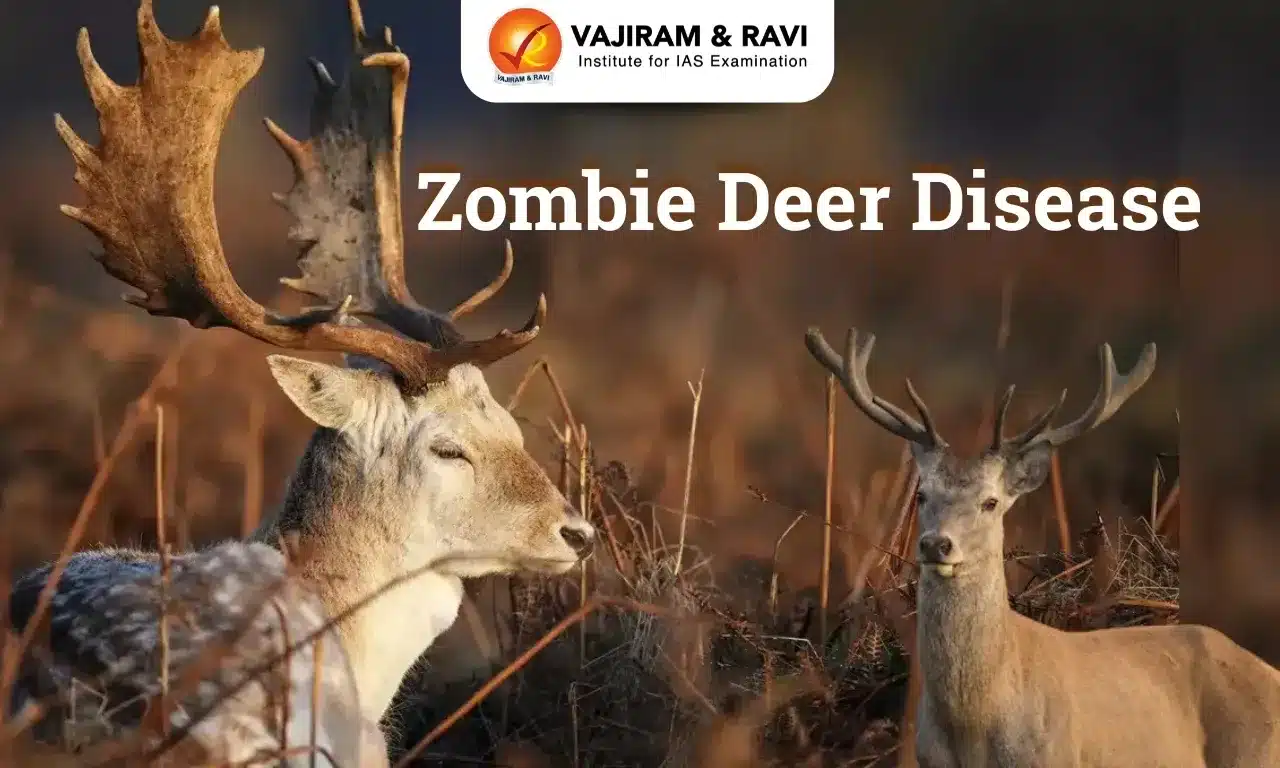
You’re driving down MLK Jr. Drive or maybe cutting through a Metroparks reservation at dusk when you see it. A deer is standing right by the shoulder. It doesn't bolt. It just stares with a blank, vacant expression, maybe drooling a little, looking completely disconnected from the world. It’s creepy. Naturally, people start using the "z" word. But if you’re looking for a Hollywood apocalypse, you’re going to be disappointed. The reality of zombie deer in Cleveland is actually much more depressing—and scientifically complex—than a horror movie script.
Chronic Wasting Disease (CWD) is the real name for what people call the zombie deer virus. It isn't even a virus, honestly. It’s caused by prions, which are basically "zombie" proteins that misfold and eat holes in a deer's brain.
Cleveland is a unique hotspot for this conversation because of our insane deer density. We have pockets of woods everywhere. From the "Emerald Necklace" of the Metroparks to the overgrown lots in the city’s East Side, deer are basically our unofficial neighbors. When a disease like CWD enters a high-density urban environment, things get weird fast.
The Prion Problem in the 216
So, why Cleveland? Why now?
The Ohio Department of Natural Resources (ODNR) has been on high alert for a while. For years, Ohio was a "clean" state while our neighbors in Pennsylvania and West Virginia were getting hammered by CWD. Then, things changed. The first cases in Ohio popped up in Wyandot County around 2020/2021, and the surveillance net has been tightening around Northeast Ohio ever since.
Prions are terrifyingly durable. You can't kill them with heat. You can't kill them with radiation. If an infected deer dies in a field in Solon or Strongsville, the prions can stay in the soil for years. Years. A healthy deer comes along, licks the dirt or eats the grass, and the cycle starts all over again.
Because Cleveland is so interconnected with green corridors, a single sick deer can travel from the Cuyahoga Valley National Park up through the Bedford Reservation and into residential backyards in a matter of days. It’s a literal highway for disease.
What "Zombie" Actually Looks Like
Let's clear one thing up. These deer aren't going to bite you. They aren't aggressive. They’re just... gone.
A deer with advanced CWD loses its fear of humans. You might be able to walk right up to one. They get emaciated—ribs showing, skin sagging—because their brain can no longer tell them how to eat or drink. They stumble. They drool. They might walk in repetitive circles. It’s a slow, grueling decline that takes months or even years to kill the animal.
By the time a deer looks like a "zombie," it has been spreading prions through its saliva, urine, and feces for a long time. That is the real danger for the local herd.
Why the Cleveland Metroparks are Stressing Out
If you’ve ever seen the sharpshooters or the "deer management" signs in the Metroparks during the winter, you know the city takes its deer population seriously. Overpopulation is the primary driver of disease.
When there are too many deer in one area—which is definitely the case in places like Rocky River or North Chagrin—they live in constant close contact. They groom each other. They share the same limited food sources. It’s like a crowded subway car during flu season, but the flu never goes away and it’s 100% fatal.
The Metroparks biologists, like those working under the direction of the ODNR, use culling not just to save the local flora (which the deer are absolutely devouring), but as a frontline defense against zombie deer in Cleveland. By testing the heads of culled deer, they can track the movement of the disease in real-time.
If they find a positive case in Cuyahoga County, the rules change instantly. Feeders have to go. Salt licks become illegal. Anything that bunches deer together becomes a biohazard.
The Human Risk: Can You Get It?
This is the question everyone asks. "Can I get CWD from a deer in my backyard?"
Currently, there are zero recorded cases of CWD jumping to humans. Zero. However, the CDC and the World Health Organization are not taking chances. They point to Mad Cow Disease—another prion-based illness—as a cautionary tale.
If you hunt in the areas surrounding Cleveland, or even further out in Geauga or Lorain counties, you shouldn't eat the meat if the deer looks sick. Period. Even if it looks healthy, if you're in a known CWD surveillance zone, get it tested. The ODNR provides drop-off stations for heads during hunting season. It’s a minor inconvenience that prevents a potentially life-altering mistake.
Breaking Down the Myths
People love a good scare. Social media is full of videos of "zombie deer" that are actually just deer with common, non-fatal issues.
- Epizootic Hemorrhagic Disease (EHD): This is often confused with CWD. EHD hits fast, usually in late summer. Deer get a fever, head for water, and die quickly. It’s spread by midges (tiny flies). Unlike CWD, EHD doesn't stay in the soil and isn't a long-term brain-waster.
- The "Aggression" Myth: You’ll hear stories of deer attacking cars or people. That’s usually just a buck in the rut (mating season) being a jerk, or a doe protecting a fawn. CWD makes deer lethargic, not angry.
- Brain Abscesses: Sometimes a buck will get a nasty infection from fighting that looks like its head is rotting. Gross? Yes. Zombie? No.
Understanding the difference is huge for local conservation. If we cry wolf every time we see a deer with a limp, the actual surveillance of zombie deer in Cleveland gets bogged down by bad data.
The Role of Urban Backyard Feeders
Stop feeding the deer. Seriously.
I know, they’re cute. You want to give them corn or apples in the winter. But in Cleveland, backyard feeding is the fastest way to turn a neighborhood into a CWD hotspot. When you put out a pile of corn, you are forcing twenty deer to put their noses in the exact same spot. If one of them has prions, you’ve just turned your backyard into a transmission site.
Many suburbs around Cleveland, like Cleveland Heights and Solon, have debated or passed bans on deer feeding. It’s not because the city hates animals; it’s because they’re trying to prevent a massive die-off.
What to Do If You See a Sick Deer
Don't be a hero. Don't try to pet it or "help" it.
If you spot a deer in the Cleveland area that fits the "zombie" description—thin, drooling, unafraid, stumbling—you need to report it to the ODNR Division of Wildlife. You can call 1-800-WILDLIFE or use their online reporting tool.
Give them a specific location. "In the park" doesn't help. "Near the intersection of Valley Parkway and Cedar Point Road" does.
Local police departments usually won't do much unless the deer is a traffic hazard or actively dying on someone's porch. The biologists are the ones who need the data. Every reported sighting helps map the spread of zombie deer in Cleveland and informs how the state manages the herd next year.
The Future of the North Coast Herd
Is the Cleveland deer population doomed? Probably not. But it’s going to look different.
We are entering a phase of "management" rather than "observation." Expect more culling. Expect more stringent hunting regulations in the surrounding counties. Expect to see more signs in the Metroparks explaining the dangers of prions.
The goal isn't to wipe out the deer. We love our urban wildlife. The goal is to keep the population at a level where a single sick animal doesn't trigger a domino effect that empties our forests.
Actionable Steps for Cleveland Residents:
- Remove any communal feeding stations or salt licks from your property to prevent deer from "clumping" together.
- Report symptomatic deer directly to the ODNR (1-800-WILDLIFE) with precise GPS coordinates or cross-streets.
- If you are a hunter, always utilize the ODNR's free CWD testing booths if you harvest a deer within or near a surveillance buffer zone.
- Keep pets away from deer carcasses found in the woods; while CWD isn't known to affect dogs, carcasses can carry other parasites and bacteria.
- Stay informed via the ODNR’s annual CWD map updates, which usually drop before the autumn archery season begins.