You’ve heard that distorted, grinding guitar riff a thousand times. It’s one of those songs that stays stuck in your head for days, usually because of Dolores O’Riordan’s haunting, yodeling vocals that switch from a whisper to a guttural scream. But if you think Zombie by The Cranberries is just another 90s grunge anthem or a song about literal monsters, you're missing the heartbreak buried in the lyrics.
It’s a protest song.
Specifically, it’s a response to one of the most senseless tragedies of the Northern Irish Troubles. It wasn't written to be a radio hit. It was written out of pure, unadulterated anger. Honestly, the story behind it is way darker than the catchy melody suggests.
The Tragic Event That Sparked the Song
In March 1993, the Irish Republican Army (IRA) left two bombs in cast-iron litter bins in Warrington, Cheshire, England. This wasn't a military target. It was a busy shopping street. The blast killed two children: three-year-old Johnathan Ball and twelve-year-old Tim Parry.
Johnathan died at the scene. Tim fought for his life for five days before his family had to make the impossible decision to turn off his life support.
Dolores O'Riordan was on tour when she heard the news. She was devastated. She was a young woman from Limerick, and she was sick of seeing people killed "in the name of Ireland" when the average person just wanted peace. She told Vox magazine back in 1994 that she remembered being in a tour bus and feeling utterly gutted by the fact that a child was killed because of a political struggle that had been dragging on for decades.
What Is Zombie by The Cranberries About?
At its core, the song is a rejection of the violence used by the IRA during the Troubles. When Dolores sings about "another head hangs lowly," she’s literally talking about the grieving families and the victims of the Warrington bombing.
But why the word "zombie"?
She isn't calling the victims zombies. She’s calling the perpetrators zombies. She’s talking about the mindless adherence to old ideologies. It’s about people who are "dead" inside because they are blinded by a century-old conflict. When she sings "it's the same old theme since nineteen-sixteen," she’s referencing the Easter Rising, a pivotal moment in the fight for Irish independence.
Basically, she’s saying: It’s 1993. Why are we still killing kids over something that started in 1916?
The "Not My Family" Line
One of the most powerful parts of the song is when she says, "But you see, it's not me, it's not my family." This was her way of distancing herself and the majority of Irish people from the IRA's tactics. She was tired of the world looking at Ireland and seeing nothing but terrorists. She wanted to reclaim the Irish identity from the violence.
The song is a cry for individual responsibility. It’s about how we let these "zombies"—these ideologies—take over our brains until we stop seeing the humanity in "the other side."
The Sound of Anger: Why It's So Heavy
If you compare Zombie to the band’s earlier stuff like "Linger" or "Dreams," it sounds like a completely different group. It's loud. It's aggressive.
The Cranberries were usually known for jingle-jangle indie pop. But Dolores insisted on the heavy distortion. She wanted the music to feel as violent and gritty as the subject matter. She actually got a lot of pushback from people who thought it was too political or too "angry" for a female-fronted pop band in the 90s.
She didn't care.
She told her bandmates to crank up the amps. She wanted the drums to sound like a heartbeat or a march. That "zombie-ie-ie" vocal flip she does? That’s not just a stylistic choice. It’s an imitation of a keening wail—a traditional Irish vocal expression of grief. It’s the sound of a mother crying for her lost child.
The Controversial Music Video
The video is just as famous as the song. Directed by Samuel Bayer—the same guy who did Nirvana’s "Smells Like Teen Spirit"—it features real footage of British soldiers patrolling the streets of Northern Ireland.
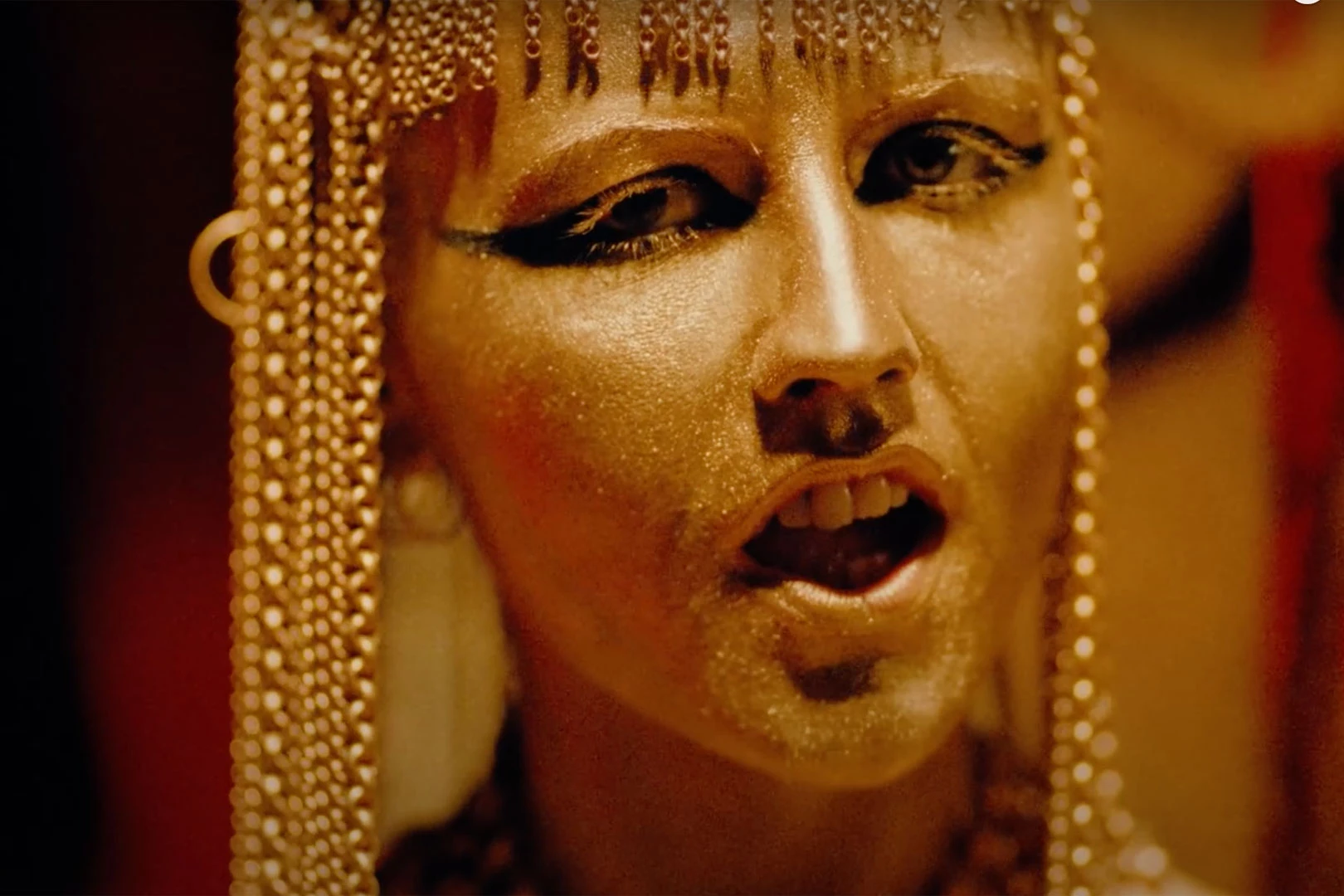
You see Dolores covered in gold paint, standing in front of a cross, surrounded by silver-painted boys. It’s heavy on religious symbolism, which is a big deal considering the Troubles were often framed (somewhat inaccurately) as a purely religious war between Catholics and Protestants.
The BBC actually banned the original video because of the footage of soldiers and children with guns. They forced an edited version that focused mostly on the band performing. But the raw, unedited version is what really captures the message. It shows the "zombification" of the youth—kids growing up in a war zone, playing with toy guns until they’re old enough to hold real ones.
Misconceptions and Backlash
Not everyone loved the song when it came out. Some people in Ireland felt it was too simplistic. They argued that a pop star shouldn't be weighin' in on a complex geopolitical conflict from a tour bus.
Critics sometimes accused O’Riordan of being "pro-British" or "anti-nationalist." But she wasn't taking a side in terms of borders. She was taking the side of the victims. She was a humanist. For her, there was no political goal worth the life of a three-year-old.
The song actually became a massive hit in places dealing with their own internal strifes. It resonated in Bosnia. It resonated in Rwanda. It became a global anthem for peace because, unfortunately, the "zombie" mentality of mindless violence isn't unique to Ireland.
The Legacy of a Masterpiece
Dolores O'Riordan passed away in 2018. The day she died, she was actually scheduled to record a cover of Zombie with the hard rock band Bad Wolves. They ended up releasing their version as a tribute, and it went platinum, proving that the song’s message still hits just as hard today.
In 2020, Zombie became the first song by an Irish band to hit one billion views on YouTube.
It’s a rare example of a song that is both a massive commercial success and a deeply meaningful piece of political commentary. It didn't just stay in the 90s. It’s played at protests, it’s covered by metal bands, and it’s taught in history classes.
Why It Still Matters
We live in a world that is increasingly polarized. The "zombie" mindset Dolores described—where we follow "the same old theme" and refuse to see the human being across the line—is more prevalent than ever.
When you listen to the song now, don't just nod along to the rhythm. Listen to the pain in her voice. Remember Johnathan Ball and Tim Parry. Remember that the song was a plea to stop the cycle of "their tanks and their bombs."
How to Understand the Context Better
If you want to truly grasp the weight of the song, here are a few things you should look into:
- Research the Warrington Bombings (1993): Look up the stories of the families involved. Understanding the human cost makes the lyrics "another mother's breaking" much more vivid.
- Watch the Uncensored Music Video: Pay attention to the juxtaposition of the children playing and the soldiers patrolling. It explains the "in your head they are fighting" line better than any essay could.
- Listen to the Unplugged Version: The Cranberries did an acoustic version for MTV. Without the heavy guitars, Dolores’s vocal performance is even more heartbreaking. You can hear the cracks in her voice.
- Read the 1916 Proclamation: To understand why she mentions "nineteen-sixteen," look at the history of the Easter Rising. It provides the "why" behind the generational trauma she's describing.
The song isn't a history lesson, but it is a historical document. It captures a specific moment of Irish grief that turned into a universal anthem for peace.